What is the minimum distance for a video conference camera to focus?
Leave a message

As a provider of video conference cameras, one of the most frequently asked questions we receive is about the minimum distance for a video conference camera to focus. This seemingly simple query is crucial for ensuring clear and sharp images during video conferences, which are now a staple in both business and personal communication. In this blog post, I'll delve into the factors that determine this minimum focusing distance and offer some practical advice for getting the best out of your video conference camera.
Understanding the Basics of Camera Focus
Before we discuss the minimum focusing distance, it's essential to understand how camera focus works. In essence, a camera lens focuses light onto the image sensor to create a sharp image. The distance between the lens and the subject affects how the light rays converge on the sensor. When the subject is too close or too far from the lens, the light rays don't converge properly, resulting in a blurry image.
The minimum focusing distance is the closest distance at which a camera can focus and produce a sharp image. This distance varies depending on the type of camera, its lens design, and the technology it uses. For video conference cameras, this specification is particularly important because it determines how close you can be to the camera while still being in focus.
Factors Affecting the Minimum Focusing Distance
Lens Design
The design of the camera lens plays a significant role in determining the minimum focusing distance. Different types of lenses have different focusing capabilities. For example, wide-angle lenses generally have a shorter minimum focusing distance compared to telephoto lenses. This is because wide-angle lenses have a wider field of view, which allows them to capture more of the scene up close.
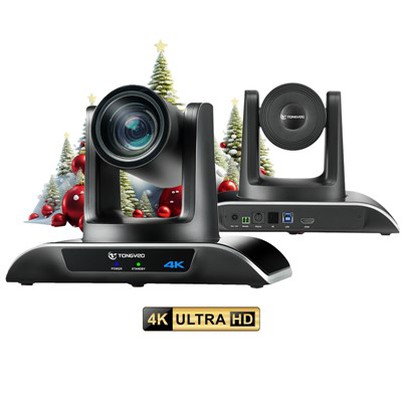
In the context of video conference cameras, many models are equipped with wide-angle lenses to capture a larger area of the room. This not only allows for multiple participants to be visible in the frame but also enables a shorter minimum focusing distance. This is beneficial for close-up shots, such as when you need to show a document or a small object during a meeting.
Sensor Size
The size of the camera's image sensor also affects the minimum focusing distance. Larger sensors typically require a longer minimum focusing distance because they need more space to capture a sharp image. Smaller sensors, on the other hand, can focus on subjects that are closer to the lens.
Most video conference cameras use smaller sensors to keep the size and cost of the device down. This also allows for a shorter minimum focusing distance, making them more versatile for different types of video conferencing setups.
Autofocus Technology
The autofocus technology used in the camera can also impact the minimum focusing distance. Advanced autofocus systems can quickly and accurately adjust the focus to keep the subject sharp, even at short distances. These systems use various techniques, such as phase detection autofocus and contrast detection autofocus, to achieve fast and precise focusing.
Some video conference cameras are equipped with intelligent autofocus features that can track the movement of the subject and automatically adjust the focus accordingly. This is particularly useful in dynamic video conferencing environments where participants may move around or change their position during the meeting.
Typical Minimum Focusing Distances for Video Conference Cameras
The minimum focusing distance for video conference cameras can vary widely depending on the model and its specifications. In general, most consumer-grade video conference cameras have a minimum focusing distance of around 10 to 30 centimeters (4 to 12 inches). This allows for close-up shots of the speaker's face or small objects.
Professional-grade video conference cameras, on the other hand, may have a longer minimum focusing distance, typically ranging from 30 to 100 centimeters (12 to 39 inches). These cameras are designed for larger conference rooms and may require more space to capture a clear and sharp image.
It's important to note that these are just general guidelines, and the actual minimum focusing distance may vary depending on the specific camera model. When choosing a video conference camera, it's essential to check the product specifications to ensure that it meets your needs.
Practical Tips for Optimal Focus
Positioning the Camera
Proper positioning of the camera is crucial for achieving optimal focus. Make sure the camera is placed at a suitable distance from the subject based on its minimum focusing distance. If the subject is too close to the camera, the image may be blurry, while if it's too far away, the camera may not be able to capture the details clearly.
In a typical video conferencing setup, the camera should be positioned at eye level or slightly above to provide a natural and flattering view of the participants. This also helps to ensure that the camera can focus on the faces of the speakers, which is often the most important part of the image.
Lighting Conditions
Good lighting is essential for clear and sharp images. Poor lighting can make it difficult for the camera to focus and may result in a blurry or grainy image. Make sure the room is well-lit, and avoid using harsh or direct lighting, which can create shadows and glare.
Natural light is often the best option for video conferencing, but if this is not available, you can use artificial lighting sources, such as softbox lights or LED panels. These lights can provide even and diffused lighting, which helps to improve the image quality.

Using a Tripod or Mount
Using a tripod or mount can help to stabilize the camera and ensure that it remains in the correct position. This is particularly important if you need to adjust the focus or framing of the image during the meeting. A tripod or mount can also help to reduce camera shake, which can cause the image to appear blurry.

There are many different types of tripods and mounts available for video conference cameras, ranging from simple desktop models to more advanced floor-standing models. Choose a tripod or mount that is compatible with your camera and provides the stability and flexibility you need.
Our Video Conference Camera Solutions
At our company, we offer a wide range of video conference cameras to meet the needs of different users and applications. Our cameras are designed with advanced features and technologies to ensure clear and sharp images, even at short distances.
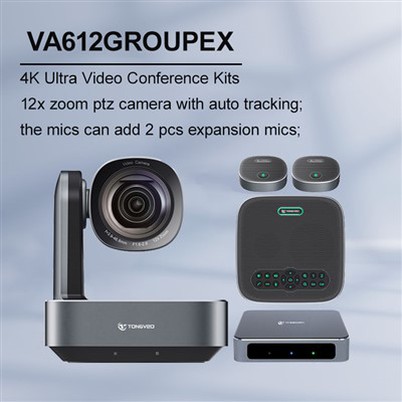
One of our popular products is the All in One Audio Video Conference Room System. This system combines a high-quality video conference camera with audio equipment and other features to provide a complete solution for video conferencing in a conference room. The camera has a short minimum focusing distance, allowing for close-up shots of the participants and small objects.
We also offer the Conference Camera For Tv, which is designed to be used with a TV or monitor. This camera is easy to install and provides a clear and sharp image, making it ideal for home or small office video conferencing.
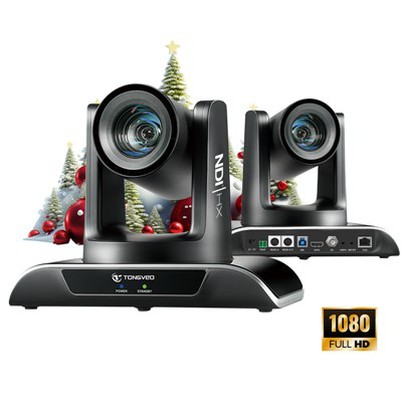
For more professional applications, we have the NDI Poe Ptz Video Conference Camera. This camera features advanced autofocus technology and a long zoom range, allowing for precise focusing and framing of the image. It also supports NDI (Network Device Interface) technology, which enables high-quality video streaming over a network.
Conclusion
The minimum distance for a video conference camera to focus is an important factor to consider when choosing a camera for your video conferencing needs. By understanding the factors that affect this distance and following the practical tips outlined in this blog post, you can ensure that you get the best possible image quality during your video conferences.
If you have any questions or need further assistance in choosing the right video conference camera for your needs, please don't hesitate to contact us. We are here to help you find the perfect solution for your video conferencing requirements.
References
- "Understanding Camera Focus: A Beginner's Guide." Photography Life, https://photographylife.com/understanding-camera-focus.
- "Video Conference Camera Buying Guide." TechRadar, https://www.techradar.com/best/best-video-conference-camera.
- "How to Choose the Right Video Conference Camera for Your Business." Forbes, https://www.forbes.com/sites/forbestechcouncil/2021/03/11/how-to-choose-the-right-video-conference-camera-for-your-business/.