What is the image stabilization feature of an IP PTZ camera?
Leave a message

As a supplier of IP PTZ cameras, I'm often asked about the various features of our products. One feature that stands out and is crucial for many applications is image stabilization. In this blog post, I'll delve into what the image stabilization feature of an IP PTZ camera is, how it works, and why it matters.
What is Image Stabilization?
Image stabilization is a technology designed to reduce the blurring caused by the motion of the camera during shooting. In the context of IP PTZ (Internet Protocol Pan-Tilt-Zoom) cameras, which are capable of panning (horizontal movement), tilting (vertical movement), and zooming, image stabilization becomes even more important. These cameras are used in a wide range of scenarios, from surveillance to video conferencing, and any unwanted movement can result in a poor - quality image or video.
There are two main types of image stabilization commonly used in IP PTZ cameras: optical image stabilization (OIS) and electronic image stabilization (EIS).
Optical Image Stabilization (OIS)
Optical image stabilization works by physically moving the lens elements inside the camera. When the camera detects movement, tiny motors within the lens assembly adjust the position of the lens to counteract the shake. This technology is highly effective because it corrects the image before it reaches the camera's sensor.
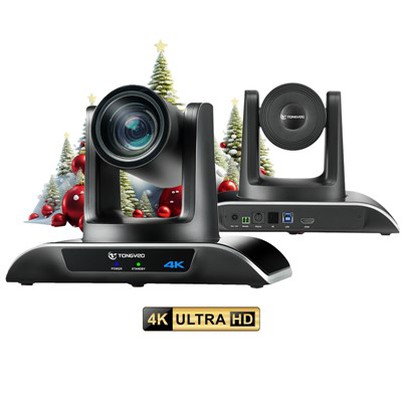
For example, if the camera is mounted on a slightly shaky tripod or is being moved during a live event, OIS can ensure that the image remains sharp and clear. Our FHD IP HDMI USB3.0 PTZ Video Conferencing Camera with 20x Optical Zoom for Church utilizes OIS to provide high - quality, stable video even when there is some degree of movement.
Electronic Image Stabilization (EIS)
Electronic image stabilization, on the other hand, is a digital technology. It works by using the camera's software to analyze the image data and then crop and shift the image to compensate for the movement. EIS doesn't involve any physical movement of the lens, but it can still significantly reduce the appearance of shake.
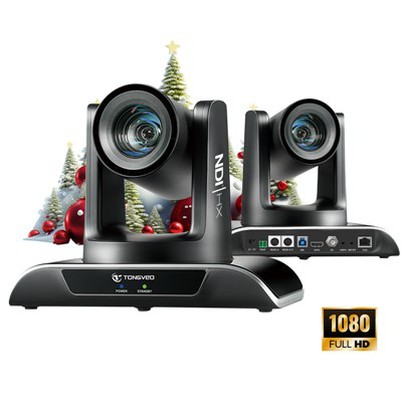
EIS is often used in combination with OIS in modern IP PTZ cameras. It can be particularly useful for correcting smaller, more rapid movements that OIS might not be able to handle as effectively. Our Wide Angle IP HDMI SDI USB PTZ Conference Room Camera takes advantage of both OIS and EIS to deliver a smooth and stable viewing experience.
How Does Image Stabilization Benefit IP PTZ Camera Users?
Enhanced Video Quality
The most obvious benefit of image stabilization is the improvement in video quality. In surveillance applications, a stable image is essential for accurately identifying people, vehicles, and events. A shaky camera can make it difficult to distinguish details, which can be a major problem in security - critical situations.
In video conferencing, a stable image makes the participants look more professional and engaging. It reduces distractions and allows for better communication. Whether it's a small team meeting or a large - scale conference, a camera with good image stabilization can make a significant difference.

Flexibility in Camera Placement
With image stabilization, IP PTZ cameras can be placed in a wider range of locations. They don't need to be mounted on perfectly stable platforms. For example, in a church setting, the camera can be placed on a movable stand or a slightly unsteady surface without sacrificing image quality. Our FHD IP HDMI USB3.0 PTZ Video Conferencing Camera with 20x Optical Zoom for Church is designed to work well in such environments, thanks to its advanced image stabilization features.

Improved Zoom Performance
When using the zoom function on an IP PTZ camera, even the slightest movement can cause the image to shake and become blurry. Image stabilization helps to counteract this effect, allowing users to zoom in on objects without losing image clarity. This is particularly useful in applications such as wildlife monitoring or long - distance surveillance.
Image Stabilization in Different Applications
Surveillance
In surveillance, image stabilization is crucial for capturing clear and detailed footage. Whether it's monitoring a large outdoor area or a small indoor space, a stable image is necessary for accurate identification and analysis. IP PTZ cameras with image stabilization can be used to track moving objects, such as vehicles or people, without the footage becoming too shaky to be useful.
Video Conferencing
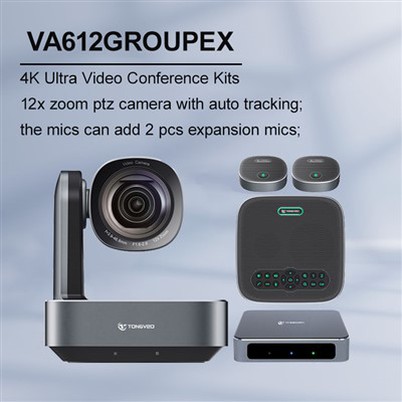
Video conferencing has become an essential part of modern business and communication. A camera with good image stabilization ensures that the participants' faces and gestures are clearly visible, making the conversation more natural and engaging. Our Wide Angle Conference Camera is specifically designed for conference rooms, with image stabilization technology that helps to create a professional and high - quality video conferencing experience.
Live Events
For live events, such as concerts, sports games, or religious ceremonies, image stabilization is key to providing a smooth and enjoyable viewing experience for the audience. IP PTZ cameras can be moved around during the event to capture different angles, and image stabilization ensures that the video remains stable throughout.
Factors to Consider When Evaluating Image Stabilization in IP PTZ Cameras
Effectiveness
The most important factor is how well the image stabilization actually works. You can look at sample videos or user reviews to get an idea of how effective the technology is in real - world situations. Some cameras may claim to have image stabilization, but in practice, it may not be very effective.
Compatibility
Make sure that the image stabilization technology is compatible with the other features of the camera. For example, if the camera has a high - resolution sensor, the image stabilization should be able to work well with it without sacrificing too much of the image quality.
Cost
Image stabilization can add to the cost of the camera. You need to consider whether the benefits of image stabilization justify the additional expense. In some cases, a more basic camera without advanced image stabilization may be sufficient for your needs.
Conclusion
Image stabilization is a vital feature in IP PTZ cameras. It enhances video quality, provides flexibility in camera placement, and improves zoom performance. Whether you're using the camera for surveillance, video conferencing, or live events, a camera with good image stabilization can make a significant difference in the overall experience.
If you're interested in purchasing IP PTZ cameras with top - notch image stabilization features, we invite you to contact us for more information and to discuss your specific requirements. Our team of experts is ready to assist you in finding the perfect camera for your needs.

References
- "Digital Image Stabilization Techniques: A Review" by [Author's Name], [Journal Name], [Year]
- "Optical Image Stabilization in Cameras: Principles and Applications" by [Author's Name], [Book Title], [Publisher], [Year]