What is the latency of a video conference camera?
Leave a message

In the realm of modern communication, video conferencing has emerged as a cornerstone technology, bridging geographical gaps and enabling seamless interactions. At the heart of every effective video conference lies a crucial component: the video conference camera. As a leading supplier of video conference cameras, I've witnessed firsthand the transformative power of these devices. One of the most frequently asked questions by our clients is about the latency of a video conference camera. In this blog post, I'll delve into the concept of latency, its significance in video conferencing, and how our cameras are engineered to minimize it.
Understanding Latency in Video Conference Cameras
Latency, in the context of a video conference camera, refers to the delay between the moment an event occurs in the real - world and when it is displayed on the remote participants' screens. It is measured in milliseconds (ms). A high latency can severely disrupt the flow of a video conference, leading to noticeable delays in audio and video synchronization, which in turn can cause miscommunications and a frustrating user experience.
There are several factors that contribute to the latency of a video conference camera. Firstly, the camera's internal processing time plays a significant role. When a camera captures an image or video, it needs to process the data, including tasks such as encoding the video stream. The complexity of the encoding algorithm and the processing power of the camera's hardware can affect how quickly this processing occurs. For example, a camera with a more advanced encoding chip can process data faster, reducing the internal latency.
Secondly, the transmission medium also impacts latency. Whether the camera is connected via Ethernet, Wi - Fi, or another network protocol, each has its own characteristics in terms of data transfer speed and reliability. Wi - Fi networks, while convenient, can be more prone to interference and congestion, which may increase latency. On the other hand, a wired Ethernet connection generally offers more stable and faster data transfer, resulting in lower latency.
Another factor is the distance between the camera and the receiving end. The farther the data has to travel, the longer it takes for the video stream to reach its destination. This is especially relevant in global video conferences where participants may be located in different countries or continents.
The Significance of Low Latency in Video Conferencing
Low latency is of utmost importance in video conferencing for several reasons. Firstly, it ensures smooth and natural communication. When there is minimal delay between speaking and seeing the corresponding visual cues, participants can engage in conversations more effectively. This is particularly crucial in business meetings where quick decision - making and clear communication are essential.
Secondly, low latency is vital for real - time interactions such as live demonstrations, training sessions, and collaborative projects. In a live product demonstration, for example, any significant delay can make it difficult for the audience to follow the presenter's actions and explanations. In a training session, instructors need to be able to see immediate feedback from trainees to adjust their teaching methods accordingly.
Moreover, low latency enhances the overall user experience. Participants in a video conference are more likely to stay engaged and focused when the communication is seamless. It reduces distractions and frustration, making the video conferencing experience more enjoyable and productive.
How Our Video Conference Cameras Minimize Latency
As a supplier of video conference cameras, we are committed to providing products with low latency. Our cameras are equipped with state - of - the - art hardware and software technologies to ensure fast data processing and transmission.
We use high - performance encoding chips that are optimized for real - time video processing. These chips can encode video streams at high speeds while maintaining excellent video quality. This reduces the internal processing time of the camera, minimizing the latency introduced during the encoding process.
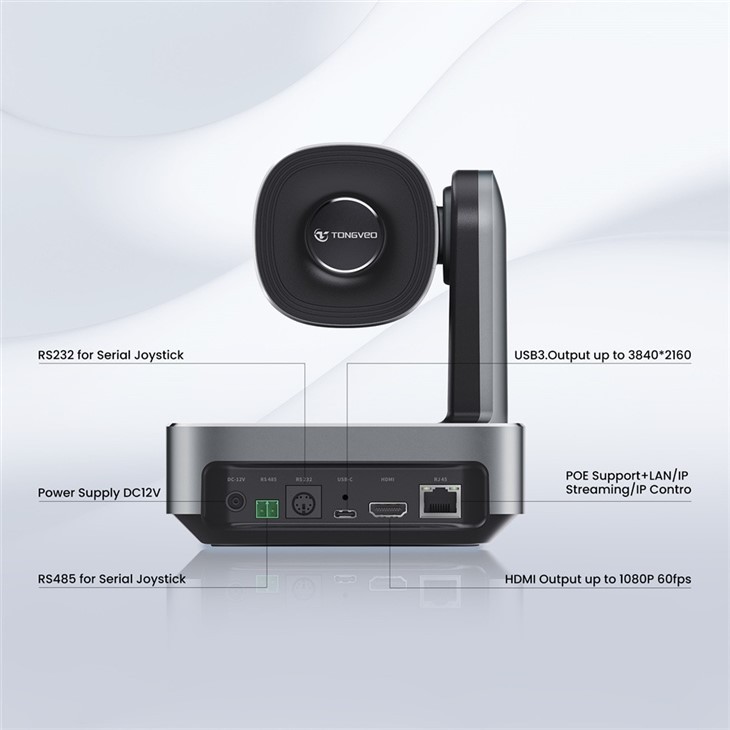
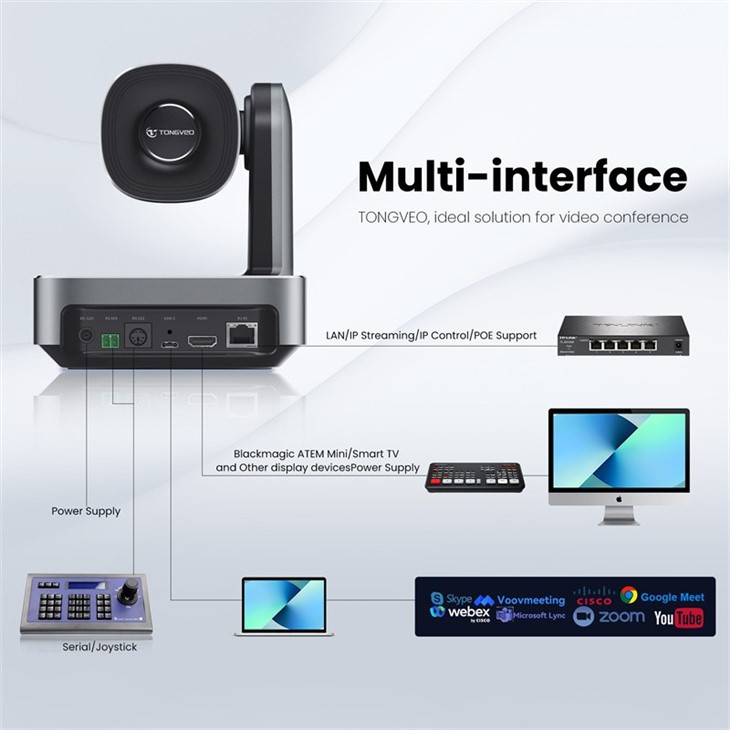
In terms of network connectivity, our cameras support multiple options, including Ethernet and Wi - Fi. For users who require the lowest possible latency, we recommend using a wired Ethernet connection. Our cameras are designed to work seamlessly with Ethernet networks, providing stable and high - speed data transfer. Additionally, our Wi - Fi capabilities are enhanced with advanced technologies to reduce interference and improve reliability, ensuring relatively low latency even in wireless environments.
We also optimize our cameras for different network conditions. Our software can adapt to changes in network speed and quality in real - time. If the network becomes congested, the camera can adjust the video quality and bitrate to maintain a stable and low - latency video stream.
Our Product Range and Latency Performance
We offer a diverse range of video conference cameras to meet the needs of different users and applications.
The Ndi Ptz Camera For Church Live Streaming is specifically designed for live streaming in church settings. It features pan - tilt - zoom (PTZ) functionality, allowing for flexible camera positioning. This camera is engineered to provide low latency, ensuring that the live stream reaches the viewers in real - time. Whether it's a sermon, a choir performance, or a religious ceremony, the low latency of this camera enables a seamless viewing experience for the online audience.
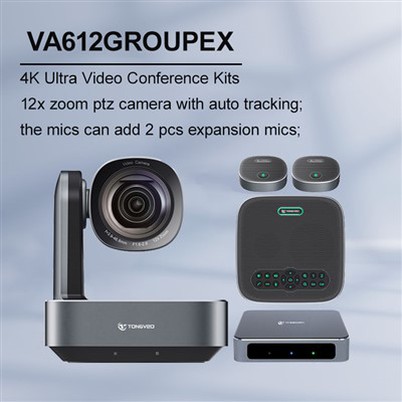
The Conference Camera For Tv is an ideal choice for small to medium - sized conference rooms. It can be easily connected to a TV, providing high - quality video conferencing capabilities. With its advanced encoding technology and optimized network connectivity, this camera offers low latency, allowing participants to communicate effectively without any noticeable delays.
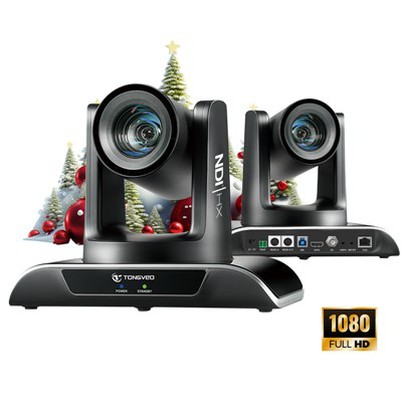
Our NDI Poe Ptz Video Conference Camera combines the benefits of NDI (Network Device Interface) technology and Power over Ethernet (PoE). NDI technology enables high - quality, low - latency video streaming over a network, while PoE simplifies the installation process by providing power and data over a single Ethernet cable. This camera is suitable for large - scale video conferencing setups, where low latency and easy installation are crucial.
Contact Us for Low - Latency Video Conference Cameras
If you're in the market for a video conference camera with low latency, we'd love to hear from you. Our team of experts can provide you with detailed information about our products, including their latency performance, features, and pricing. We can also offer personalized advice based on your specific requirements, whether it's for a small home office or a large corporate conference center.
Don't let high latency disrupt your video conferences. Contact us today to discuss your needs and explore how our video conference cameras can enhance your communication experience.
References
- Cisco. (2023). The Importance of Low Latency in Video Conferencing.
- Poly. (2023). Understanding Latency in Video Communication Devices.