What is the codec support of a 1080p conference cam?
Leave a message

As a provider of 1080p conference cameras, I am often asked about the codec support of these devices. Codec support is a crucial aspect of video conferencing, as it determines the quality, efficiency, and compatibility of the video and audio streams. In this blog post, I will delve into the codec support of 1080p conference cameras, explaining what codecs are, why they matter, and which ones are commonly supported by our products.
What are Codecs?
Codecs, short for coder-decoder, are algorithms used to compress and decompress digital audio and video data. Compression is essential for video conferencing because it reduces the amount of data that needs to be transmitted over the network, making it possible to stream high-quality video and audio in real-time without consuming excessive bandwidth. Decompression, on the other hand, is the process of restoring the compressed data to its original form for playback.
There are two main types of codecs: lossy and lossless. Lossy codecs achieve higher compression ratios by discarding some of the original data that is considered less important for human perception. This results in a slight loss of quality, but the difference is often imperceptible to the human eye and ear. Lossless codecs, on the other hand, compress the data without losing any information, but they typically achieve lower compression ratios and require more bandwidth.


Why Codec Support Matters
The codec support of a 1080p conference camera is important for several reasons:
- Video Quality: Different codecs have different levels of compression efficiency and quality. A camera that supports high-quality codecs can deliver sharper, clearer, and more detailed video, even in low-light conditions.
- Bandwidth Efficiency: Codecs that offer high compression ratios require less bandwidth to transmit the same amount of video and audio data. This is especially important for users with limited network bandwidth or those who are connecting from remote locations.
- Compatibility: Different video conferencing platforms and devices may support different codecs. A camera that supports a wide range of codecs ensures compatibility with a variety of platforms and devices, making it easier to connect and communicate with others.
- Interoperability: In a multi-vendor video conferencing environment, interoperability is crucial. A camera that supports industry-standard codecs can communicate seamlessly with other devices and platforms, regardless of the manufacturer.
Commonly Supported Codecs in 1080p Conference Cameras
Most 1080p conference cameras support a variety of codecs to ensure compatibility and flexibility. Here are some of the most commonly supported codecs:
- H.264: H.264, also known as Advanced Video Coding (AVC), is one of the most widely used video codecs in the world. It offers excellent compression efficiency and video quality, making it suitable for a wide range of applications, including video conferencing. H.264 is supported by most video conferencing platforms and devices, making it a safe choice for interoperability.
- H.265: H.265, also known as High Efficiency Video Coding (HEVC), is the successor to H.264. It offers even higher compression efficiency than H.264, which means it can deliver the same video quality with less bandwidth. H.265 is becoming increasingly popular in video conferencing, especially for high-resolution and 4K video.
- VP9: VP9 is an open-source video codec developed by Google. It offers similar compression efficiency to H.265 and is designed to be royalty-free. VP9 is supported by many web browsers and video streaming platforms, making it a good choice for web-based video conferencing.
- AV1: AV1 is a new open-source video codec developed by the Alliance for Open Media (AOMedia). It offers even higher compression efficiency than H.265 and VP9, which means it can deliver the same video quality with even less bandwidth. AV1 is still relatively new, but it is expected to become more widely adopted in the future.
- G.711: G.711 is a standard audio codec used for voice communication. It offers high-quality audio with a bit rate of 64 kbps and is supported by most telephony systems and video conferencing platforms.
- Opus: Opus is an open-source audio codec developed by the Internet Engineering Task Force (IETF). It offers excellent audio quality and low latency, making it suitable for real-time communication applications such as video conferencing. Opus is supported by many web browsers and video conferencing platforms.
Our 1080p Conference Cameras and Codec Support
As a leading provider of 1080p conference cameras, we understand the importance of codec support. That's why our cameras are designed to support a wide range of codecs, including H.264, H.265, VP9, and AV1 for video, and G.711 and Opus for audio. This ensures compatibility with a variety of video conferencing platforms and devices, and allows our customers to enjoy high-quality video and audio communication.
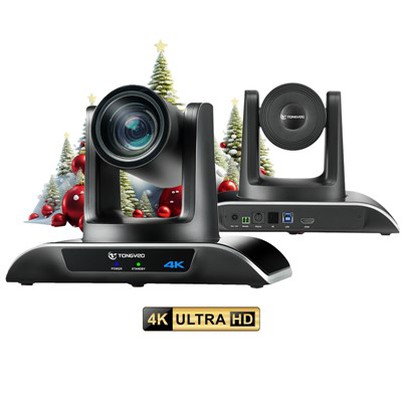
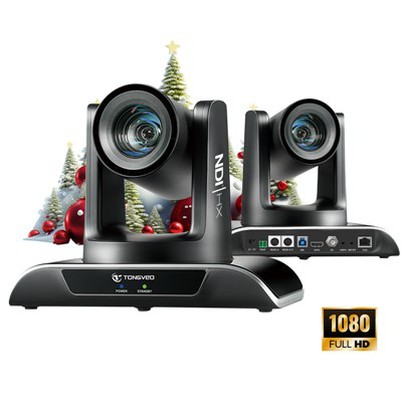
Our USB ptz conferencing hd camera for church is a popular choice for religious institutions and other organizations that require high-quality video conferencing. It features a 1080p resolution, pan-tilt-zoom functionality, and support for H.264 and H.265 codecs. The camera is easy to install and use, and it can be connected to a computer or other device via USB.
Our Usb 2.0 1920x1080 Fhd Video Conference Camera is another great option for video conferencing. It offers a 1080p resolution, a wide field of view, and support for H.264 and VP9 codecs. The camera is powered by USB 2.0, which means it can be easily connected to a computer or other device without the need for an external power supply.
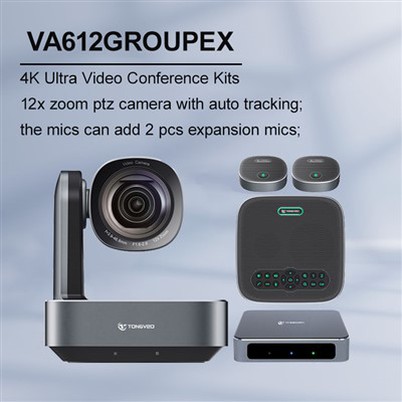
Our good meet focus camera for zoom meetings is specifically designed for Zoom meetings and other video conferencing platforms. It features a 1080p resolution, a built-in microphone, and support for H.264 and Opus codecs. The camera is easy to set up and use, and it can be adjusted to focus on the speaker or the entire room.
Conclusion
Codec support is a crucial aspect of 1080p conference cameras. It determines the quality, efficiency, and compatibility of the video and audio streams, and it plays a key role in ensuring a seamless and high-quality video conferencing experience. As a provider of 1080p conference cameras, we are committed to offering our customers the latest and most advanced codec support, to ensure that they can enjoy the best possible video and audio communication.
If you are interested in learning more about our 1080p conference cameras and their codec support, or if you have any questions or need assistance with your video conferencing needs, please feel free to contact us. We would be happy to help you find the right camera for your requirements and to provide you with more information about our products and services.
References
- "Codec (computing)." Wikipedia. Wikimedia Foundation, 2023. Web.
- "H.264/MPEG-4 AVC." Wikipedia. Wikimedia Foundation, 2023. Web.
- "H.265/HEVC." Wikipedia. Wikimedia Foundation, 2023. Web.
- "VP9." Wikipedia. Wikimedia Foundation, 2023. Web.
- "AV1." Wikipedia. Wikimedia Foundation, 2023. Web.
- "G.711." Wikipedia. Wikimedia Foundation, 2023. Web.
- "Opus (audio format)." Wikipedia. Wikimedia Foundation, 2023. Web.