Can an IP PTZ camera be used for hospital security?
Leave a message

In the modern era, security has become a paramount concern for various institutions, and hospitals are no exception. With the increasing complexity of healthcare environments, ensuring the safety of patients, staff, and assets is crucial. One technology that has emerged as a powerful tool in security systems is the IP PTZ (Internet Protocol Pan-Tilt-Zoom) camera. As a supplier of IP PTZ cameras, I am often asked whether these cameras can be effectively used for hospital security. In this blog post, I will explore the capabilities of IP PTZ cameras and their suitability for hospital security applications.
Understanding IP PTZ Cameras
IP PTZ cameras are advanced surveillance devices that offer remote control over pan, tilt, and zoom functions via an IP network. Unlike traditional fixed cameras, IP PTZ cameras can be adjusted in real-time to capture different angles and distances, providing a more flexible and comprehensive view of the monitored area. These cameras are equipped with high-resolution sensors and advanced image processing algorithms, enabling them to capture clear and detailed images even in low-light conditions. Additionally, IP PTZ cameras support various video compression formats and can transmit video data over Ethernet or Wi-Fi networks, making them easy to integrate into existing security systems.
Advantages of Using IP PTZ Cameras for Hospital Security
There are several advantages to using IP PTZ cameras for hospital security. Firstly, their pan, tilt, and zoom capabilities allow security personnel to monitor large areas with a single camera. This reduces the number of cameras required, resulting in cost savings and a more streamlined security system. For example, a single IP PTZ camera can cover multiple patient rooms, corridors, and entrances, eliminating the need for multiple fixed cameras.
Secondly, IP PTZ cameras can be remotely controlled, allowing security personnel to respond quickly to security incidents. In the event of an emergency, such as a theft or a patient fall, security personnel can use a computer or a mobile device to adjust the camera's position and zoom in on the affected area. This real-time monitoring and response capability can help prevent and resolve security issues more effectively.
Thirdly, IP PTZ cameras can be integrated with other security systems, such as access control systems and alarm systems. This integration allows for a more comprehensive and automated security solution. For example, when an access control system detects an unauthorized entry, it can trigger the IP PTZ camera to focus on the entry point and start recording. Similarly, when an alarm system is activated, the IP PTZ camera can be automatically directed to the area where the alarm was triggered.
Finally, IP PTZ cameras can provide valuable evidence in the event of a security incident. The high-resolution images and videos captured by these cameras can be used for forensic analysis, investigations, and legal proceedings. This evidence can help identify suspects, determine the cause of an incident, and support insurance claims.


Applications of IP PTZ Cameras in Hospitals
IP PTZ cameras can be used in various areas of a hospital to enhance security. Some of the common applications include:
- Patient Rooms: IP PTZ cameras can be installed in patient rooms to monitor the well-being of patients. These cameras can be used to detect falls, monitor vital signs, and ensure the safety of patients who are at risk of self-harm or wandering.
- Corridors and Entrances: IP PTZ cameras can be installed in corridors and entrances to monitor the movement of people and vehicles. These cameras can be used to detect unauthorized entry, prevent theft, and ensure the safety of patients and staff.
- Emergency Departments: IP PTZ cameras can be installed in emergency departments to monitor the flow of patients and staff. These cameras can be used to detect overcrowding, identify potential security risks, and ensure the efficient operation of the emergency department.
- Pharmacies and Supply Rooms: IP PTZ cameras can be installed in pharmacies and supply rooms to monitor the storage and distribution of medications and supplies. These cameras can be used to prevent theft, ensure the proper handling of medications, and maintain inventory control.
- Parking Lots: IP PTZ cameras can be installed in parking lots to monitor the movement of vehicles and pedestrians. These cameras can be used to detect theft, vandalism, and other security incidents, and to ensure the safety of patients, staff, and visitors.
Considerations for Using IP PTZ Cameras in Hospitals
While IP PTZ cameras offer many benefits for hospital security, there are also some considerations that need to be taken into account. Firstly, privacy is a major concern in hospitals. Patients and staff have a right to privacy, and the use of IP PTZ cameras must comply with relevant privacy laws and regulations. It is important to ensure that the cameras are installed in areas where privacy is not compromised, such as public areas and corridors, and that the images and videos captured by the cameras are only used for security purposes.
Secondly, the installation and maintenance of IP PTZ cameras require technical expertise. It is important to work with a professional security company that has experience in installing and maintaining IP PTZ cameras in hospitals. The security company should be able to provide training and support to the hospital's security personnel, ensuring that they are able to operate the cameras effectively.
Thirdly, the cost of IP PTZ cameras can be a significant investment. It is important to consider the cost-benefit ratio when deciding whether to use IP PTZ cameras for hospital security. While the initial cost of the cameras may be higher than that of traditional fixed cameras, the long-term benefits, such as cost savings, improved security, and valuable evidence, may outweigh the cost.
Conclusion
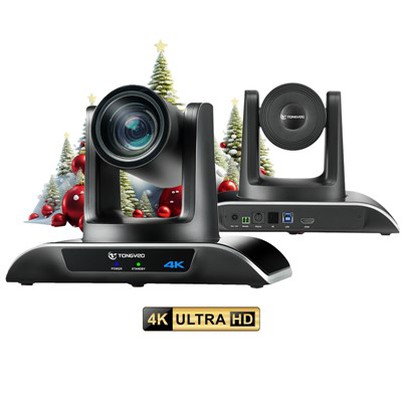
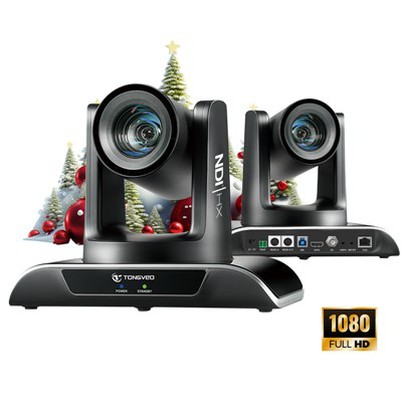
In conclusion, IP PTZ cameras can be an effective tool for hospital security. Their pan, tilt, and zoom capabilities, remote control functionality, integration with other security systems, and ability to provide valuable evidence make them a valuable addition to any hospital security system. However, it is important to consider the privacy concerns, technical expertise required, and cost when deciding whether to use IP PTZ cameras for hospital security. As a supplier of IP PTZ cameras, I am committed to providing high-quality products and services to hospitals and other healthcare institutions. If you are interested in learning more about our Wide Angle IP HDMI SDI USB PTZ Conference Room Camera, PTZ IP Conference Room Camera, or FHD IP HDMI USB3.0 PTZ Video Conferencing Camera with 20x Optical Zoom for Church, please feel free to contact us for more information and to discuss your specific security needs.
References
- "Hospital Security: A Comprehensive Guide." Security Management, vol. 60, no. 1, 2016, pp. 34-40.
- "The Role of Surveillance Cameras in Hospital Security." Journal of Healthcare Security, vol. 12, no. 2, 2018, pp. 12-18.
- "Best Practices for Using IP PTZ Cameras in Healthcare Facilities." Security Magazine, 2020.