What is the difference between a 1080p conference cam and a regular webcam?
Leave a message

In the era of digital communication, the demand for high - quality video conferencing equipment has skyrocketed. Two common devices used for video communication are 1080p conference cameras and regular webcams. As a supplier of 1080p conference cameras, I am well - versed in the differences between these two types of devices, and I'll share them in this blog.
1. Image Quality
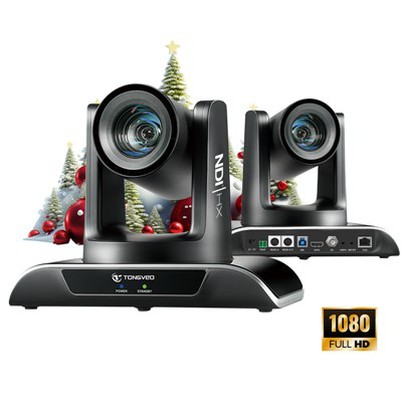
One of the most significant differences between a 1080p conference cam and a regular webcam lies in image quality. A 1080p conference camera is designed to provide a sharp, clear, and high - definition image. With a resolution of 1920x1080 pixels, it can capture fine details, vivid colors, and accurate skin tones. This is crucial for professional video conferencing, where participants need to clearly see each other's facial expressions, body language, and any visual aids being presented.
On the other hand, regular webcams often have lower resolutions. Many entry - level webcams offer 720p (1280x720 pixels) or even lower resolutions. The lower pixel count results in a less detailed and less sharp image. In a large conference setting, a regular webcam may struggle to capture the entire room or multiple participants clearly, leading to a blurry or pixelated view for the remote attendees.
For example, in a business meeting where a presenter is showing a detailed chart or a product prototype, a 1080p conference cam can ensure that all the details are visible to everyone on the call. A regular webcam, however, might make the chart or prototype look fuzzy, making it difficult for the audience to understand the information being presented.
2. Field of View
The field of view (FOV) is another area where 1080p conference cameras and regular webcams differ. Conference cameras typically have a wider field of view. This is because they are intended to cover larger spaces, such as conference rooms with multiple participants. A 1080p conference cam can have a FOV of up to 120 degrees or more, allowing it to capture a broad area without the need for constant repositioning.
Regular webcams, in contrast, usually have a narrower field of view, often around 60 - 90 degrees. This limited FOV is suitable for individual use, such as a person sitting at a desk for a one - on - one video call. But in a group setting, a regular webcam may not be able to capture the whole group, leaving some participants out of the frame.
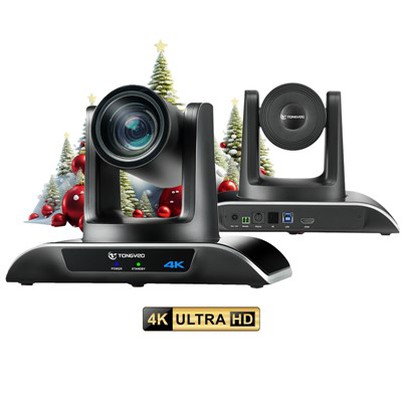
If you are hosting a large conference room call, a pan tilt zoom video camera for large conference room call can be a great choice. It not only has a wide FOV but also offers pan, tilt, and zoom capabilities, allowing you to adjust the view as needed during the call.


3. Zoom and Focus
Zoom and focus are essential features for video conferencing. A 1080p conference camera often comes with optical zoom functionality. Optical zoom uses the camera's lens to magnify the image without sacrificing image quality. This is particularly useful in a large conference room where you may need to zoom in on a specific person or object.
In addition to optical zoom, many conference cameras also have autofocus capabilities. The autofocus system can quickly and accurately adjust the focus as participants move around the room or as the camera zooms in or out. This ensures that the image remains sharp at all times.
Regular webcams usually lack optical zoom. Instead, they rely on digital zoom, which simply enlarges the pixels in the image. Digital zoom often results in a loss of image quality, making the image look grainy and blurry. Moreover, most regular webcams have fixed focus or limited autofocus capabilities, which can lead to out - of - focus images if the subject moves.
A Pan Tilt USB PTZ Camera for Video Zoom Conferencing offers excellent zoom and focus features. It allows you to remotely control the pan, tilt, and zoom functions, enabling you to get the perfect view during the conference.
4. Low - Light Performance
Low - light conditions are common in conference rooms, especially during evening meetings or in rooms with limited natural light. A 1080p conference camera is designed to perform well in low - light environments. It often has a larger image sensor and better low - light sensitivity, which allows it to capture a clear and well - lit image even in dimly lit rooms.
Regular webcams, on the other hand, typically struggle in low - light conditions. They may produce a noisy or dark image, making it difficult for the participants to see each other clearly. In some cases, the image may be so dark that it becomes almost unusable.
5. Audio Quality
While video quality is important, audio quality is equally crucial for a successful video conference. 1080p conference cameras often come with built - in high - quality microphones or support external audio devices. These microphones are designed to pick up sound from a larger area, such as a conference room filled with multiple people. They can also reduce background noise and echo, ensuring that the voices of the participants are clear and easy to understand.
Regular webcams usually have basic built - in microphones that are sufficient for individual use. However, in a group setting, these microphones may not be able to capture the voices of all participants clearly, especially if there is a lot of background noise.
6. Compatibility and Connectivity
1080p conference cameras are designed to be compatible with a wide range of video conferencing software and platforms. They can easily connect to laptops, desktops, and other devices via USB, HDMI, or other standard interfaces. This makes them suitable for use in various corporate and educational settings.
Regular webcams are also generally compatible with most video conferencing software, but they may have limitations in terms of connectivity options. Some regular webcams only support USB connections, which may not be sufficient for more advanced setups.
7. Price
Price is an important factor to consider when choosing between a 1080p conference cam and a regular webcam. 1080p conference cameras are typically more expensive than regular webcams. This is because they offer higher - end features such as better image quality, wider field of view, optical zoom, and improved low - light performance.
Regular webcams are more affordable, making them a popular choice for home users or individuals on a budget. However, if you are looking for a professional - grade solution for your business or organization, the investment in a 1080p conference cam is often worth it.
Conclusion
In conclusion, while regular webcams are suitable for basic video calls and individual use, 1080p conference cameras are the better choice for professional video conferencing, especially in large group settings. They offer superior image and audio quality, wider field of view, better zoom and focus capabilities, and better performance in low - light conditions.
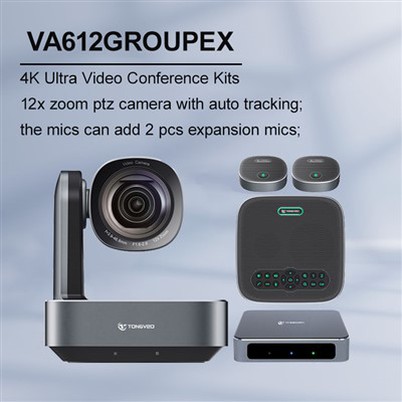
If you are in the market for a high - quality 1080p conference camera, we have a wide range of products to meet your needs. Our 360 Conference Room Video Cameras for Teams are designed to provide the best video conferencing experience. Whether you are hosting a small meeting or a large conference, our cameras can ensure that your participants have a clear and engaging view.
If you are interested in learning more about our products or have any questions regarding the procurement process, please feel free to reach out. We are here to assist you in finding the perfect solution for your video conferencing needs.
References
- General knowledge from the video conferencing industry
- Product specifications of 1080p conference cameras and regular webcams