How to share the screen when using a video conference camera?
Leave a message

Sharing the screen during a video conference is a critical feature that enhances collaboration and communication, allowing participants to present documents, demonstrations, and other visual content in real time. As a leading Video Conference Camera supplier, we understand the importance of seamless screen sharing and its impact on the overall efficiency of virtual meetings. In this blog post, we will guide you through the process of sharing your screen when using a video conference camera and offer some tips to ensure a smooth and successful experience.
Understanding Screen Sharing
Screen sharing, also known as desktop sharing, is a technology that enables users to display their computer screen or a specific application on the screens of other participants in a video conference. This can be particularly useful in a variety of scenarios, such as business meetings, educational lectures, and technical support sessions. By sharing your screen, you can easily present information, collaborate on projects, and provide visual aids to enhance the clarity of your communication.

Compatibility and Requirements
Before you start sharing your screen, it's essential to ensure that your video conference camera and software are compatible with screen sharing functionality. Most modern video conferencing platforms, such as Zoom, Microsoft Teams, and Google Meet, support screen sharing, but it's always a good idea to check the specific requirements of your chosen platform.
In addition to the software compatibility, you'll also need a stable internet connection to ensure smooth screen sharing. A slow or unstable connection can result in lag, buffering, and other issues that can disrupt the flow of the meeting. It's recommended to use a high-speed broadband connection for the best results.
Steps to Share the Screen
The process of sharing your screen may vary slightly depending on the video conferencing platform you're using, but the general steps are similar. Here's a step-by-step guide to sharing your screen during a video conference:
- Join the Video Conference: Start by joining the video conference using your video conference camera and the chosen platform. Make sure you're logged in to your account and have access to the meeting.
- Locate the Screen Sharing Button: Once you're in the meeting, look for the screen sharing button on the control panel or toolbar of the video conferencing software. The button may be labeled differently depending on the platform, but it's usually represented by an icon that looks like a computer screen.
- Select the Screen or Application to Share: Click on the screen sharing button, and a window will appear with options to select the screen or application you want to share. You can choose to share your entire screen, a specific application window, or a presentation slide deck.
- Adjust the Settings: Before you start sharing, you may want to adjust the settings to ensure the best viewing experience for the other participants. You can choose to share audio, mute your microphone, and enable or disable annotations.
- Start Sharing: Once you've selected the screen or application and adjusted the settings, click the "Share" button to start sharing your screen. The other participants will now be able to see your screen or application on their monitors.
Tips for a Successful Screen Sharing Experience
To ensure a smooth and successful screen sharing experience, here are some tips to keep in mind:
- Test Your Setup: Before the meeting, test your screen sharing setup to ensure that everything is working properly. Check your internet connection, camera, and audio settings, and practice sharing your screen to familiarize yourself with the process.
- Choose the Right Screen or Application: When sharing your screen, be selective about what you share. Choose the screen or application that is most relevant to the topic of the meeting and that will provide the most value to the other participants.
- Use Annotations and Markup Tools: Many video conferencing platforms offer annotations and markup tools that allow you to highlight important points, draw arrows, and add text to your shared screen. These tools can be very useful for guiding the other participants' attention and emphasizing key information.
- Communicate Clearly: When sharing your screen, it's important to communicate clearly and effectively. Explain what you're sharing, why it's important, and how it relates to the topic of the meeting. Use visual aids, such as slides or diagrams, to enhance your presentation and make it more engaging.
- Manage Your Time: Screen sharing can be a powerful tool, but it can also be time-consuming. Make sure you manage your time effectively and stay focused on the topic of the meeting. If you need to share a large amount of information, consider breaking it up into smaller segments and sharing them at different times.
Recommended Products for Screen Sharing
As a Video Conference Camera supplier, we offer a range of products that are designed to enhance your screen sharing experience. Here are some of our recommended products:
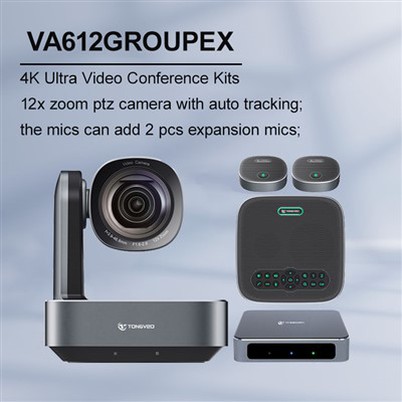
- All in One Audio Video Conference Room System: Our all-in-one system combines high-quality audio and video technology with advanced screen sharing capabilities, making it the perfect solution for small to medium-sized conference rooms.
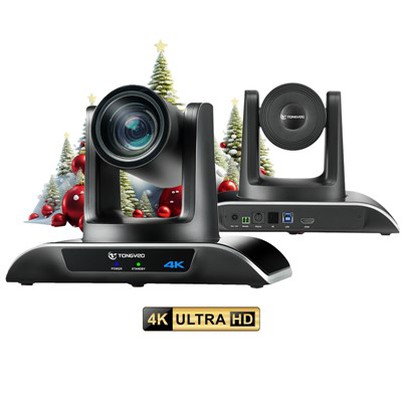
- Conference Camera For Tv: This camera is specifically designed to be used with a TV, allowing you to easily share your screen and conduct video conferences without the need for a separate computer.
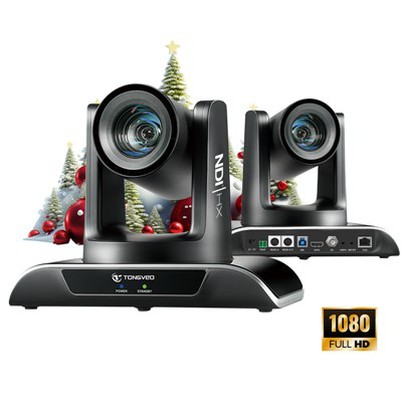
- Ndi Ptz Camera For Church Live Streaming: For churches and other religious organizations, our NDI PTZ camera is an ideal solution for live streaming services and sharing the screen during virtual meetings.
Conclusion
Screen sharing is a powerful tool that can enhance collaboration and communication during video conferences. By following the steps outlined in this blog post and using our recommended products, you can ensure a smooth and successful screen sharing experience. If you have any questions or would like to learn more about our Video Conference Camera products, please don't hesitate to contact us. We're here to help you find the best solution for your needs and to ensure that your video conferences are as productive and engaging as possible.
References
- Cisco Webex. (n.d.). Screen sharing in Webex Meetings. Retrieved from https://help.webex.com/en-us/article/ts017649/Screen-sharing-in-Webex-Meetings
- Zoom. (n.d.). How to share your screen in a Zoom meeting. Retrieved from https://support.zoom.us/hc/en-us/articles/201362153-How-to-share-your-screen-in-a-Zoom-meeting
- Microsoft Teams. (n.d.). Share content in a Teams meeting. Retrieved from https://docs.microsoft.com/en-us/microsoftteams/meeting-share-content
- Google Meet. (n.d.). Share your screen in a Google Meet video call. Retrieved from https://support.google.com/meet/answer/9308680