How to integrate a video conference camera with other video conferencing equipment?
Leave a message

Integrating a video conference camera with other video conferencing equipment can seem like a daunting task, but it doesn't have to be. As a video conference camera supplier, I've helped many customers navigate this process, and I'm here to share some tips and tricks to make it as smooth as possible.
Understanding Your Equipment
Before you start integrating your video conference camera, it's important to understand the other equipment you'll be working with. This includes your video conferencing software, your display device (like a TV or monitor), and any audio equipment. Each piece of equipment has its own specifications and requirements, and understanding these is key to a successful integration.
For example, if you're using a Conference Camera For Tv, you'll need to make sure your TV has the right input ports. Most modern TVs have HDMI ports, which are ideal for connecting a video conference camera. However, if your TV is older, it might only have VGA or component ports, which could require an adapter.
Similarly, your video conferencing software will have specific requirements for camera resolution, frame rate, and compatibility. Make sure your camera meets these requirements to ensure high-quality video during your conferences.
Connecting the Camera
Once you've understood your equipment, it's time to connect the camera. The process will vary depending on the type of camera you have.


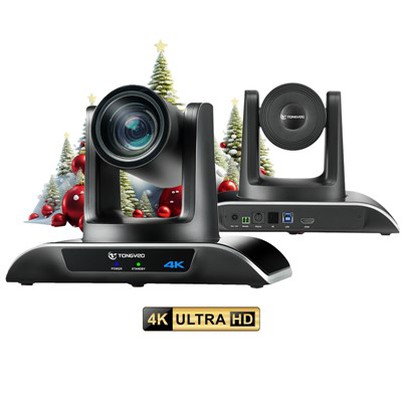
USB 3.0 Video Conference Camera
If you're using a USB 3.0 Video Conference Camera, the connection is usually straightforward. Just plug the USB cable into your computer or laptop. Most operating systems will automatically detect the camera and install the necessary drivers. However, if your system doesn't recognize the camera, you might need to download the drivers from the manufacturer's website.
After connecting the camera, you can test it using your video conferencing software. Open the software, go to the settings, and select the camera as your video input device. You should see a live preview of the camera feed. If the image is blurry or distorted, you might need to adjust the camera's focus or position.
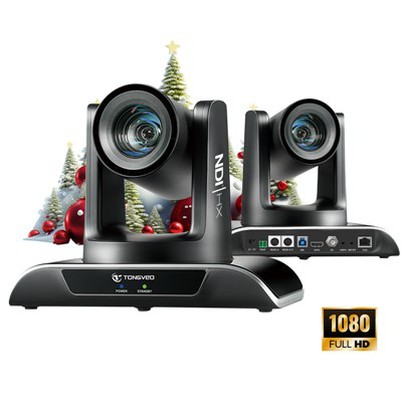
NDI Poe Ptz Video Conference Camera
A NDI Poe Ptz Video Conference Camera is a more advanced option that offers features like pan, tilt, and zoom (PTZ) and Network Device Interface (NDI) support. To connect this type of camera, you'll need to use an Ethernet cable to connect it to your network.
First, make sure your network has Power over Ethernet (PoE) capabilities. If it doesn't, you'll need a PoE injector to power the camera. Once the camera is connected to the network, you can use a web browser to access its configuration settings. Here, you can set up the camera's IP address, PTZ controls, and NDI settings.
After configuring the camera, you'll need to integrate it with your video conferencing software. This might require additional software or plugins, depending on the software you're using. Follow the software's documentation or contact the manufacturer for specific instructions.
Audio Integration
Audio is just as important as video in a video conference. To ensure clear communication, you'll need to integrate your camera with your audio equipment.
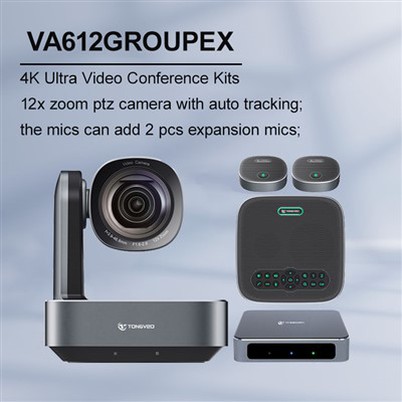
If your camera has built-in microphones, you can use them as your audio input. However, for larger conference rooms or better audio quality, you might want to use external microphones. These can be connected to your computer or audio mixer using XLR or USB cables.
Make sure to test the audio levels during your setup. You can do this by speaking into the microphone and checking the audio levels in your video conferencing software. Adjust the microphone volume or gain settings as needed to ensure clear and balanced audio.
Troubleshooting
Even with careful planning, you might encounter some issues during the integration process. Here are some common problems and their solutions:
- No video feed: Check the camera's connections to make sure they're secure. If you're using a USB camera, try unplugging and plugging it back in. If the problem persists, check the camera's drivers and make sure they're up to date.
- Poor video quality: This could be due to a low-resolution setting, a slow internet connection, or a problem with the camera's focus. Adjust the camera's settings and check your internet speed to see if that improves the quality.
- Audio issues: If you're experiencing audio problems, check the microphone connections and make sure the audio settings in your software are correct. You might also want to try using a different microphone or audio input device.
Conclusion
Integrating a video conference camera with other video conferencing equipment can be a complex process, but with the right knowledge and preparation, it can be done successfully. By understanding your equipment, following the proper connection procedures, and troubleshooting any issues that arise, you can ensure a seamless video conferencing experience.
If you're interested in purchasing a video conference camera or need further assistance with integration, feel free to reach out. I'm here to help you find the best solution for your needs.
References
- Manufacturer's documentation for video conference cameras
- Video conferencing software user guides
- Online resources and forums for video conferencing equipment integration