How to set up auto - tracking on an IP PTZ camera?
Leave a message

Setting up auto - tracking on an IP PTZ (Pan - Tilt - Zoom) camera can significantly enhance the functionality and efficiency of your surveillance or video conferencing system. As an IP PTZ camera supplier, I'm here to guide you through the process step by step.
Understanding Auto - Tracking
Auto - tracking is a feature that allows the camera to automatically follow a moving object or person within its field of view. This is particularly useful in various scenarios, such as security surveillance where you want to keep an eye on a suspect's movements, or in video conferencing to ensure that the speaker is always in the frame.
Prerequisites
Before you start setting up auto - tracking, make sure you have the following:
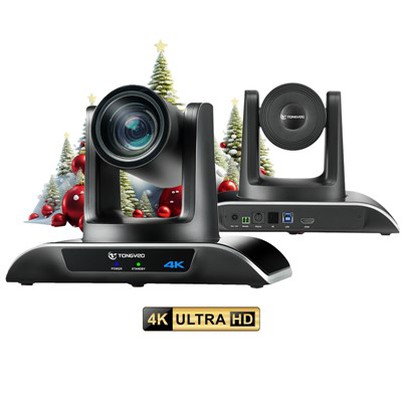
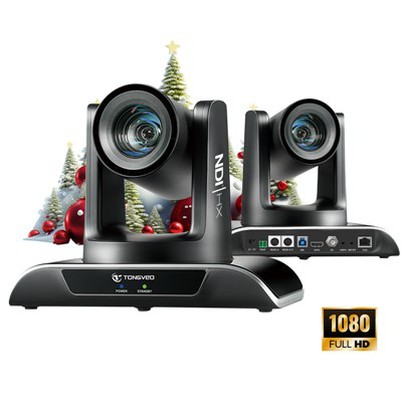
- A compatible IP PTZ camera: Ensure that your camera supports auto - tracking functionality. Our company offers a range of high - quality IP PTZ cameras with this feature, including the FHD IP HDMI USB3.0 PTZ Video Conferencing Camera with 20x Optical Zoom for Church and the High - Definition 30x Zoom HDMI SDI IP Conference Camera for Large Conference Rooms.
- A stable network connection: Since IP PTZ cameras rely on network connectivity to transmit data, a strong and stable network is essential for smooth operation.
- Appropriate software: You may need to install the camera's management software on your computer or use a web - based interface provided by the camera manufacturer.
Step 1: Camera Installation
The first step in setting up auto - tracking is to install the camera correctly.
- Mounting the camera: Choose a suitable location for the camera based on your surveillance or video conferencing needs. Make sure the camera has a clear view of the area you want to monitor. Use the appropriate mounting hardware provided with the camera to secure it firmly.
- Connecting the camera: Connect the camera to your network using an Ethernet cable. Ensure that the camera is receiving power, either through a power adapter or Power over Ethernet (PoE) if supported.
Step 2: Initial Configuration
Once the camera is installed, you need to perform the initial configuration.
- Accessing the camera's web interface: Open a web browser on your computer and enter the camera's IP address in the address bar. You may need to find the IP address using a network scanning tool or refer to the camera's documentation. Log in to the camera's web interface using the default username and password.
- Updating the firmware: Check if there are any firmware updates available for your camera. Updating the firmware can improve the camera's performance and add new features, including enhancements to the auto - tracking functionality. Follow the instructions provided by the manufacturer to update the firmware.
- Configuring network settings: Set up the camera's network settings, including the IP address, subnet mask, gateway, and DNS server. You can choose to use a static IP address or obtain an IP address automatically through DHCP.
Step 3: Enabling Auto - Tracking
After the initial configuration, it's time to enable the auto - tracking feature.


- Navigating to the auto - tracking settings: In the camera's web interface, look for the "Auto - Tracking" or "Intelligent Tracking" section. The location of this setting may vary depending on the camera model.
- Selecting the tracking mode: There are usually different tracking modes available, such as single - target tracking, multi - target tracking, and zone - based tracking. Choose the mode that best suits your needs. For example, if you want to track a single person in a video conferencing setting, the single - target tracking mode may be appropriate.
- Adjusting tracking parameters: You can adjust various parameters related to auto - tracking, such as the tracking speed, sensitivity, and range. Experiment with these settings to find the optimal configuration for your specific environment.
Step 4: Testing and Fine - Tuning
Once you have enabled auto - tracking, it's important to test the feature and make any necessary adjustments.
- Testing the tracking: Move an object or person within the camera's field of view and observe how the camera responds. Check if the camera is able to track the target accurately and smoothly.
- Fine - tuning the settings: If you notice any issues, such as the camera losing track of the target or overshooting, go back to the auto - tracking settings and adjust the parameters accordingly. You may need to increase or decrease the sensitivity, change the tracking speed, or modify the tracking range.
Step 5: Integration with Other Systems (Optional)
In some cases, you may want to integrate the IP PTZ camera with other systems, such as a video management system (VMS) or a security alarm system.
- VMS integration: If you are using a VMS, check if it supports integration with your IP PTZ camera. Follow the instructions provided by the VMS manufacturer to add the camera to the system. This allows you to manage and control the camera along with other cameras in your surveillance network.
- Alarm system integration: If you want to trigger an alarm when the camera detects movement, you can integrate the camera with a security alarm system. Consult the documentation of both the camera and the alarm system for the integration process.
Troubleshooting
If you encounter any problems during the setup or operation of the auto - tracking feature, here are some common troubleshooting tips:
- Check the network connection: Ensure that the camera is properly connected to the network and that there are no network issues. You can try restarting the camera, the router, or the network switch.
- Verify the settings: Double - check the auto - tracking settings to make sure they are configured correctly. Make sure the tracking mode, parameters, and other settings are appropriate for your environment.
- Clean the camera lens: A dirty camera lens can affect the camera's ability to track objects accurately. Clean the lens gently using a soft, dry cloth.
Conclusion
Setting up auto - tracking on an IP PTZ camera can greatly enhance the functionality and effectiveness of your surveillance or video conferencing system. By following the steps outlined in this guide, you can easily configure the auto - tracking feature and enjoy the benefits of having a camera that can automatically follow moving objects.
If you are interested in purchasing an IP PTZ camera with auto - tracking capabilities or have any questions about the setup process, please feel free to contact us for more information and to discuss your specific requirements. We are committed to providing high - quality products and excellent customer service.
References
- Camera user manuals provided by the manufacturer.
- Online resources and forums related to IP PTZ cameras.