

An IP PTZ (pan-tilt-zoom) camera is a type of surveillance camera that is equipped with a motorized lens and special software that allows it to pan, tilt and zoom to capture and monitor a wide range of activity. These cameras use digital technology and are connected to a network, allowing them to transmit high-quality video images and other data to remote monitors and recording devices. They are often used in outdoor settings and can be controlled remotely by an operator for optimal coverage and surveillance.
Why Choose Us
Quality Control
Shenzhen Tongveo Innovation Technology Co., Ltd has a professional quality inspection team that strictly controls the quality of their products. The company has also obtained various certifications such as CE, RoHS, and FCC.
Innovation
The company is committed to innovation, with a dedicated team of engineers and designers who work to create new and advanced products that meet the needs of customers.
Rich Experience
The company has over 10 years of experience in the field of electronic products and specializes in the research, development, and production of smart electronics.
Superior Technology
Shenzhen Tongveo Innovation Technology Co., Ltd invests significantly in research and development, ensuring that their products incorporate the latest and most advanced technology.
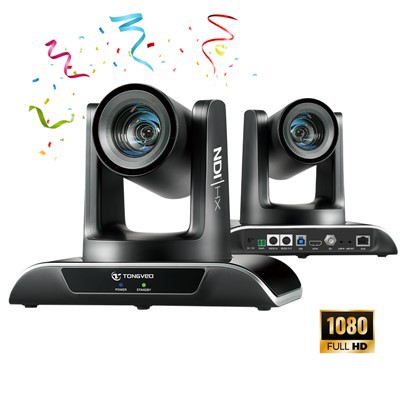
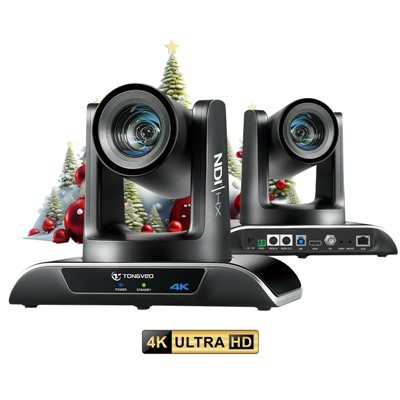
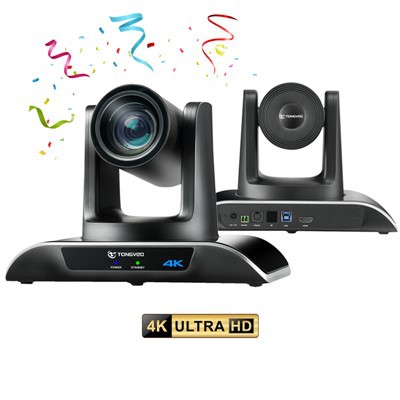
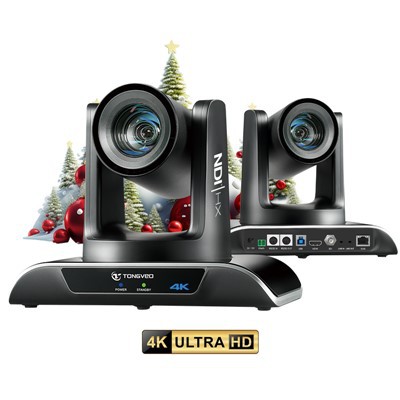
Advantages of Ip Ptz Camera
1. Wide Viewing Angle: IP PTZ cameras have the ability to pan, tilt and zoom, which enables them to cover a wider area than traditional fixed cameras.
2. High Quality Video: IP PTZ cameras typically have a high resolution, which allows for clear and detailed footage.
3. Remote Access: IP PTZ cameras can be accessed remotely, which means that you can view the footage from anywhere with an internet connection.
4. Flexible Installation: PTZ cameras can be installed in a variety of locations, including wall mounts, ceiling mounts and pole mounts, which allows for flexible installation.
5. Cost-Effective: Although PTZ cameras may initially be more expensive than traditional fixed cameras, they can save you money in the long run by covering a wider area and reducing the need for multiple cameras.
6. 24/7 Monitoring: PTZ cameras can be programmed to automatically pan, tilt and zoom to cover a specific area, which enables 24/7 monitoring without the need for manual adjustments.
7. Advanced Features: IP PTZ cameras often come with advanced features such as motion detection, facial recognition and night vision, which make them even more effective for surveillance and security purposes.

An IP PTZ camera is a type of surveillance camera that has the ability to pan, tilt, and zoom in and out remotely using an Internet Protocol (IP) network. Some of the primary roles of IP PTZ cameras include:
Real-time monitoring: IP PTZ cameras can be used to observe and monitor areas in real-time using a web browser or mobile app.
Security surveillance: IP PTZ cameras are commonly used for security surveillance in premises like homes, banks, educational institutions, among others. Their ability to pan, tilt and zoom in and out remotely with clear image and video quality makes it easier to identify individuals or activities in the areas covered.
Traffic monitoring: IP PTZ cameras can be used to monitor road intersections, highways, and parking lots to track traffic and activities.
Industrial monitoring: IP PTZ cameras are used to track industrial processes, equipment, and surveillance within big factories and work sites.
Event monitoring: IP PTZ cameras can be used for special events, such as outdoor concerts, sports events, and other crowded public gatherings to observe any activity or hazards.
Ip Ptz Camera Scope of Application
An IP PTZ camera, also known as an internet protocol pan-tilt-zoom camera, is a surveillance camera with the ability to move its lens in any direction. PTZ cameras are commonly used in applications such as security monitoring, video conferencing, and live event broadcasting.
Some common applications of IP PTZ cameras are:
Security: IP PTZ cameras are commonly used in surveillance to monitor large spaces like parking lots, retail stores, airports, and public places to ensure the safety of people and properties. The cameras can be remotely controlled to pan, tilt, and zoom to focus on any suspicious activity.
Video Conferencing: In video conferencing, IP PTZ cameras are used to capture high-quality images of conference attendees. The cameras can be controlled remotely to zoom in and focus on specific speakers or participants.
Live Event Broadcasting: IP PTZ cameras are used to capture live events like concerts, sports events, and conferences. The cameras can be controlled remotely to capture various angles and provide a comprehensive view of the event.
Traffic Monitoring: IP PTZ cameras can be used to monitor traffic flow at intersections and identify traffic violations. They can be remotely controlled to zoom in on license plates for identification purposes.
Industrial Applications: IP PTZ cameras can be used in industrial applications for remote monitoring of production processes. They can be used to monitor machinery and equipment, detect faults, and ensure safe operation.
Understanding the Importance of Ip Ptz Camera
IP PTZ (Pan/Tilt/Zoom) cameras are a type of surveillance camera that has become increasingly popular in recent times, particularly in the security industry. These cameras offer a range of advanced features and capabilities, including remote control and monitoring, automatic tracking, and high-definition video recording.
01
The importance of IP PTZ cameras lies in their ability to provide increased flexibility and efficiency in monitoring and surveillance operations. With the ability to remotely control the camera's movement, operators can quickly and easily track moving targets and zoom in for a closer view.
02
IP PTZ cameras can also be integrated with other security systems, such as alarms and access control, to create a comprehensive security solution. Additionally, the high-resolution video recording capabilities of IP PTZ cameras enable facial recognition and license plate recognition, providing essential evidence in the event of a security breach or criminal activity.
03
Furthermore, the remote accessibility of IP PTZ cameras means that security personnel can monitor multiple locations from a central command center, making it easier to respond to security incidents in real-time.
04
Ultimately, the importance of IP PTZ cameras lies in their ability to improve security measures, enhance situational awareness, and provide valuable forensic evidence in the event of an incident. As a result, they are becoming an essential component of modern security systems in a range of industries, including retail, transportation, and government.
05
How to Choose a Ip Ptz Camera
Resolution: Look for an IP PTZ camera with high resolution (1080p or higher) to ensure clear and detailed images.
Zoom: Choose a camera with high zoom capabilities (at least 10x) to capture distant objects clearly.
Pan/Tilt: Look for a camera that has a wide range of pan and tilt capabilities, as this will allow you to cover a larger area and follow objects more easily.
Night Vision: Choose a camera with good low-light and night vision capabilities to capture clear images in all lighting conditions.
Weather Resistance: If the camera is going to be used outdoors, ensure it is weather-resistant and designed to withstand harsh weather conditions.
Integration: Consider whether the camera can integrate with your existing surveillance system or any other software you may be using.
Power Source: Check that the camera can be powered via PoE (Power over Ethernet) or have the ability to connect to a power source nearby.
Software Capabilities: Check the camera's software capabilities, as this will affect its ease of use and the features available to you.
Budget: Set a budget before shopping for a camera, as IP PTZ cameras can vary in price depending on their features, specifications, and capabilities.
Proper Maintenance of Ip Ptz Camera
Dust, dirt, and grime can accumulate on the lens of your IP PTZ camera. Clean the lens with a soft, dry cloth or a lens cleaning solution to ensure it is clean and clear for optimal picture quality.
Periodically check the mounting screws for the camera to make sure they are tight. Loose screws can cause the camera to shift, which can affect the camera's field of view.
Regularly test the camera's pan, tilt, and zoom functions to ensure they are working as intended. Use the camera's web interface or an app to control it.
Software updates can improve the performance and functionality of your IP PTZ camera. Check for updates regularly and install them as needed.
If your camera is mounted outdoors, make sure it is protected from the elements. Install a weatherproof housing to protect it from rain, dust, and wind.
To prevent power surges and fluctuations from causing damage to your camera, use power management solutions like surge protectors or battery backups.
Types of Ip Ptz Camera
There are various types of IP PTZ cameras available in the market. These include:
1. Indoor IP PTZ Cameras: Indoor IP PTZ cameras are designed to be used in indoor environments. These cameras are usually smaller in size and are not weather resistant.
2. Outdoor IP PTZ Cameras: Outdoor IP PTZ cameras are designed to be used in outdoor environments. These cameras are usually larger in size and they are weather resistant.
3. Dome IP PTZ Cameras: Dome IP PTZ cameras have a dome-shaped design and are usually used for surveillance purposes in public areas such as shopping centers, banks, etc.
4. Box IP PTZ Cameras: Box IP PTZ cameras have a rectangular shape and are usually used for surveillance purposes in large open areas such as parking lots or industrial sites.
5. Bullet IP PTZ Cameras: Bullet IP PTZ cameras have a cylindrical shape and are usually used for surveillance purposes in outdoor environments such as parking lots or building perimeters.
6. Mini IP PTZ Cameras: Mini IP PTZ cameras are designed to be used in small areas where space is limited such as elevators or small retail stores.
7. Panoramic IP PTZ Cameras: Panoramic IP PTZ cameras are designed to provide a 360-degree view of the surrounding area and are usually used in large open areas such as stadiums or airports.

How to Store a Ip Ptz Camera


Clean the camera lens and casing before storage to prevent dust and dirt build-up.
Remove any detachable parts, such as lenses, cables, and mounts, and keep them separately in a safe place.
Pack the camera in its original box or a sturdy container, preferably with foam or bubble wrap to prevent damage during transportation.
Store the camera in a dry, cool, and well-ventilated place, away from direct sunlight and moisture.
If the camera will not be used for an extended period, remove the battery and store it separately to avoid leakage and corrosion.
Label the storage container with the camera model and any additional accessories for easy identification and retrieval.
The Considerations for Buying Ip Ptz Camera
Camera Resolution: Consider the camera resolution. A higher resolution produces clearer images and a greater degree of detail.
Optical zoom: Choose an IP PTZ camera with an optical zoom range that fits your surveillance needs.
Night Vision: Most cameras come with infrared LED's for night vision. Make sure you check the effective range for the best use.
Weather resistance: Ensure that the camera is weatherproof if it's an outdoor camera.
Pan-Tilt-Zoom control: Make sure that the camera can be remotely controlled using Pan-Tilt-Zoom controls.
Connectivity: Choose a camera with a reliable internet connection or a wireless connection capability.
Storage: Make sure the camera has enough storage space for video recordings. Some cameras come with built-in storage or use an external storage device.
Motion detection: Choose an IP PTZ camera with advanced technology that will alert you when motion is detected.
Smart tracking: Some cameras come with advanced tracking technology that tracks specific moving objects, allowing you to keep an eye on specific areas/people.
Price: Choose an IP PTZ camera that is within your budget but has all the features you need.
How to Clean Ip Ptz Camera
Disconnect Power
Before starting the cleaning process, make sure to turn off the power supply to your IP PTZ camera.
Dusting
Use a soft-bristled brush or microfiber cloth to gently remove any dust or debris from the camera body, lens and cables.
Cleaning Solution
Use a cleaning solution, specifically made for electronic devices, and spray it onto a soft cloth. Do not spray directly onto the camera as it may cause damage to internal components.
Cleaning Lens
The most critical part of your IP PTZ camera is the lens. Use a lens cleaning solution or a cleaning cloth specifically made for camera lenses to clean the lens gently. Avoid using water or any harsh chemicals.
Cleaning Cable
If the cable of the IP PTZ camera is dirty, use a damp cloth to clean it gently. Wipe it with a dry cloth once the cleaning is done.
Dry Completely
Once the cleaning is completed, leave the camera and its components to dry completely before turning the power back on.
What are the Main Parts of Ip Ptz Camera
PTZ (Pan-Tilt-Zoom) Control: The PTZ control allows the operator to remotely control the camera's pan, tilt and zoom functions.
Lens: The lens is responsible for capturing the image and focusing on the subject.
Image Sensor: The image sensor is an electronic component that captures light from the lens and converts it into digital signals that can be processed by the camera.
Network Interface: The network interface allows the camera to connect to the internet or local network, enabling remote viewing and control capabilities.
Power Supply: IP PTZ cameras require a power supply to operate.
Housing: The housing provides protection for the camera and may feature waterproofing or other environmental protections depending on its intended use.
Mounting Bracket: The mounting bracket allows for easy installation of the camera onto a wall, ceiling, or other surface.
Control Software: The control software is used to operate and manage the camera's settings and features from a remote device.
Maintenance Tips for Ip Ptz Camera
1. Regular cleaning: Clean the camera lens and surroundings using a soft cloth or brush to prevent dirt and dust buildup that may affect the camera's quality.
2. Check housing regularly: The camera housing should be inspected for damage, cracks or breaks which could expose the camera's internal components to moisture.
3. Lubricate camera head: Since PTZ cameras generally come with mechanical movement components, it is essential to oil them regularly to ensure smooth and efficient operation.
4. Check cabling: Check all cables that connect the camera to power outlet and network and ensure that they are properly connected and not damaged.
5. Monitor image quality: Keep an eye on the image quality and adjust settings to ensure the desired image quality standards.
6. Software updates: Check the camera manufacturer’s website regularly for updates, patches and firmware upgrades, and install them promptly to maintain peak performance.
7. Dust covers: Use commercial dust covers or camera housing when not in use to protect the camera from dust and environmental damage.
8. Power supply monitoring: Monitor the camera’s power supply and battery backup mechanisms to ensure they are functioning effectively.
9. Regular maintenance: Arrange for regular maintenance schedules to inspect, service and repair the camera, ensuring it stays in good working order.

Our Factory
Tongveo is a R&D based manufacturer committed to designing, developing and producing affordable full HD video camera with stunning image quality for video collaboration, applied in video conferencing, audio conferencing, education, tele-medicine, broadcasting, recording, courtroom, public safety, church, live-event, Financial facility solution etc.

Certificates

FAQ
Q: What is an IP PTZ camera?
Q: How do IP PTZ cameras work?
Q: What are the advantages of using IP PTZ cameras?
Q: Are IP PTZ cameras weatherproof?
Q: Can IP PTZ cameras work in low light conditions?
Q: What is the difference between IP PTZ cameras and fixed cameras?
Q: How is an IP PTZ camera powered?
Q: What is the price range of IP PTZ cameras?
Q: How can I view the footage captured by an IP PTZ camera?
Q: What are the benefits of using an IP PTZ camera?
Q: What are the different types of IP PTZ cameras?
Q: What are the factors to consider when choosing an IP PTZ camera?
Q: What is difference between PTZ and IP camera?
Q: How do I control my IP PTZ camera?
Using a network-connected computer with PTZOptics Software.
Using a network-connected computer with NDI® Tools.
Using cloud-based software such as Zoom.
Using a smartphone.
Using your favorite video production software.
Q: What are the limitations of PTZ camera?
Q: Do PTZ cameras work only with Internet?
Q: Do PTZ cameras automatically track?
Q: Do PTZ cameras move on their own?
Q: Why is my PTZ camera moving on its own?
Q: What is the lifespan of a PTZ camera?
We're well-known as one of the leading ip ptz camera manufacturers and suppliers in China. Please feel free to buy high-grade ip ptz camera made in China here from our factory. Quality products and low price are available.
conference sound bar, Virtual Event Networking Platform, cloud video conferencing