What is the picture quality of FHD IP Conference Camera in different lighting conditions?
Leave a message

As a supplier of FHD IP Conference Cameras, I've gained extensive experience in understanding how these devices perform under different lighting conditions. The picture quality of an FHD IP Conference Camera is a critical factor that can significantly impact the effectiveness of video conferences. In this blog, we'll explore how the picture quality of our FHD IP Conference Cameras varies in different lighting environments.
1. Bright and Even Lighting Conditions
In ideal scenarios where there is bright and even lighting, our FHD IP Conference Cameras truly shine. The Full - High Definition (FHD) resolution of 1920x1080 pixels ensures that every detail is captured clearly. The camera's high - quality image sensors can handle the abundant light well, resulting in sharp, vivid, and true - to - color images.
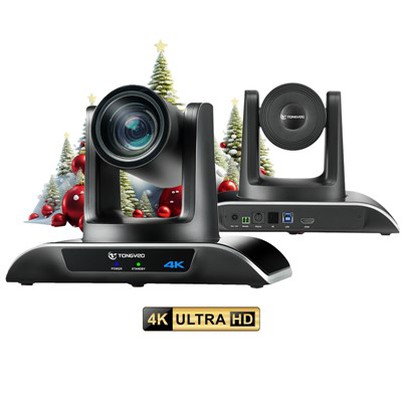
For example, in a well - lit conference room with multiple evenly distributed ceiling lights, the camera can accurately reproduce the colors of the participants' clothing, the whiteboard in the background, and the objects on the conference table. The 20x optical zoom feature, as seen in our FHD IP HDMI USB3.0 PTZ Video Conferencing Camera with 20x Optical Zoom for Church, allows for close - up views without sacrificing image quality. This is extremely useful when presenting detailed graphs or documents during a meeting.
The wide - angle capabilities of our cameras, such as the Wide Angle Conference Camera, also come into play. In a brightly lit room, the wide - angle lens can capture a large area without distorting the image. It can include all participants around a large conference table, or give a comprehensive view of an event space, ensuring that everyone and everything in the frame is clearly visible.
2. Low - Light Conditions
Low - light situations pose a greater challenge for any camera, but our FHD IP Conference Cameras are designed to handle these conditions effectively. The cameras are equipped with advanced low - light enhancement technologies. These technologies work by increasing the camera's sensitivity to light while minimizing noise.
When the lighting is dim, the camera automatically adjusts its settings to capture as much light as possible. The aperture of the lens may open wider, and the ISO value may be increased to boost the sensor's light - gathering ability. Our cameras can maintain a relatively high level of picture quality even in low - light environments.
The colors may appear a bit warmer to help create a more inviting atmosphere. However, one limitation in low - light conditions is that the overall image may become slightly darker, and fine details may be less distinct compared to bright - light scenarios. For instance, in a small meeting room with only one desk lamp as the light source, the camera can still capture the participants, but details like facial expressions may not be as sharp as in a well - lit room. But with proper adjustment of the camera's position and zoom, a clear enough image can be obtained for communication purposes.
3. Back - Lighting Conditions
Back - lighting occurs when the main light source is behind the subject. This can create a challenging situation where the subject may appear as a dark silhouette against a bright background. Our FHD IP Conference Cameras are equipped with advanced back - light compensation (BLC) technologies.
The BLC feature analyzes the light intensity in different parts of the frame and adjusts the exposure accordingly. When facing back - lighting, the camera can increase the exposure on the subject while keeping the background from being over - exposed. This ensures that the participants in the conference are clearly visible even if there is bright light behind them, such as a window with sunlight streaming in.
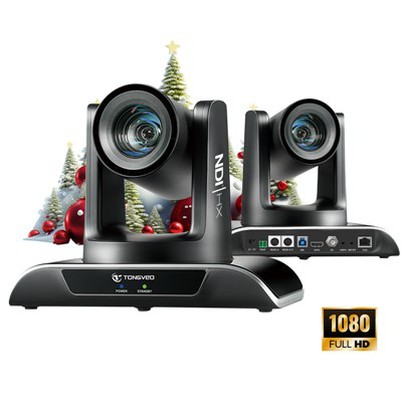
Take our Wide Angle IP HDMI SDI USB PTZ Conference Room Camera as an example. Its high - performance image sensor and intelligent BLC algorithm work together to balance the light in the frame. In a room with large windows on one side, the camera can effectively capture the participants sitting in front of the windows, making their faces distinguishable and the colors and details of their clothing and surroundings visible.
4. Harsh Lighting Conditions
Harsh lighting, such as direct sunlight shining through a window or strong spotlights, can cause extreme contrast and uneven lighting in the frame. Our cameras are designed to handle these harsh conditions through multiple technologies.


One such technology is dynamic range adjustment. The camera can adapt to a wide range of light intensities within the same frame. It can capture the bright areas without over - exposure and the dark areas without losing too much detail. This helps to create a more balanced and natural - looking image.
In addition, the anti - glare coating on the camera lens helps to reduce the reflection of harsh light, preventing the formation of bright spots in the image. This ensures that the overall picture quality remains high even in the presence of harsh lighting. For example, in an outdoor conference setting under the sun or in a ballroom with powerful stage lights, our FHD IP Conference Cameras can still deliver clear and sharp images.
5. Impact of Lighting on Other Camera Features
Apart from the overall picture quality, lighting conditions also affect other important features of our FHD IP Conference Cameras.
The autofocus function can be influenced by lighting. In bright and even lighting, the autofocus can work quickly and accurately, ensuring that the subject remains in sharp focus at all times. However, in low - light or back - lighting conditions, the autofocus may take a bit longer to lock in, as the camera needs to analyze the contrast and details in the image to determine the correct focus point.
The color accuracy is also closely related to lighting. Different lighting sources have different color temperatures, which can affect the way colors are perceived by the camera. Our cameras are calibrated to adjust to different color temperatures, but extreme lighting conditions may still cause minor color deviations. For example, in a room with fluorescent lights, the color cast may be slightly different from natural sunlight, but our cameras can minimize these differences to provide as accurate color reproduction as possible.
Conclusion
In conclusion, the picture quality of our FHD IP Conference Cameras can vary significantly in different lighting conditions. However, through advanced technologies such as low - light enhancement, back - light compensation, dynamic range adjustment, and anti - glare coatings, our cameras can adapt to a wide range of lighting scenarios and still deliver high - quality images.
Whether you are in a well - lit conference room, a low - light setting, or facing challenging lighting conditions like back - lighting or harsh light, our cameras are designed to meet your needs for clear and effective video conferencing.
If you are interested in learning more about our FHD IP Conference Cameras or are considering a purchase for your business or organization, we encourage you to contact us for a detailed discussion. We can provide you with more information on the camera features, performance in different lighting conditions, and pricing options. Let's work together to ensure that your video conferencing experiences are of the highest quality.
References
- Camera technology research reports from industry leading institutions.
- Internal product testing reports and analysis of our FHD IP Conference Cameras.