How to set up a PTZ video camera for event - based recording in a church?
Leave a message

Hey there! As a supplier of PTZ video cameras for churches, I've had my fair share of experiences setting up these cameras for event - based recording. It's a process that involves a bit of know - how, but with the right steps, you can get a top - notch recording system up and running in no time.
Choosing the Right PTZ Camera
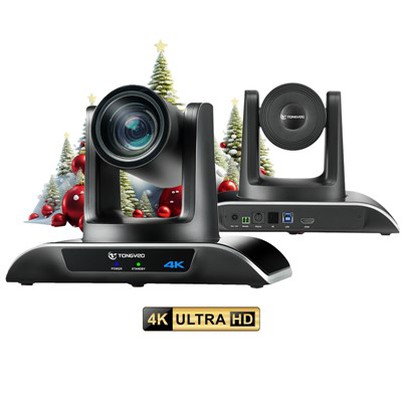
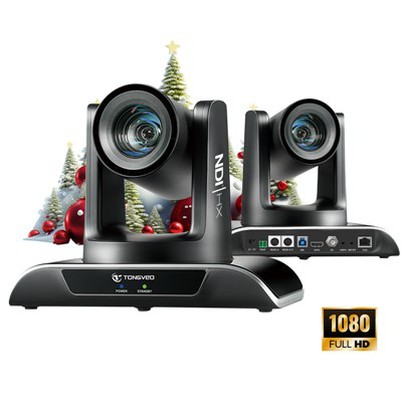
First things first, you gotta pick the right PTZ camera for your church. There are a bunch of options out there, but you need to consider a few key factors. Resolution is super important. You want a camera that can capture clear, sharp images. For most church events, an Fhd 1920x1080 Video Camera is a great choice. It offers high - quality video that'll make your recordings look professional.
Another thing to think about is the zoom capabilities. PTZ cameras are known for their pan, tilt, and zoom functions. You'll want a camera with a good zoom range so you can get close - ups of the action, like a pastor's sermon or a choir performance. A Professional Video Conferencing Camera often comes with advanced zoom features that can really enhance your recordings.
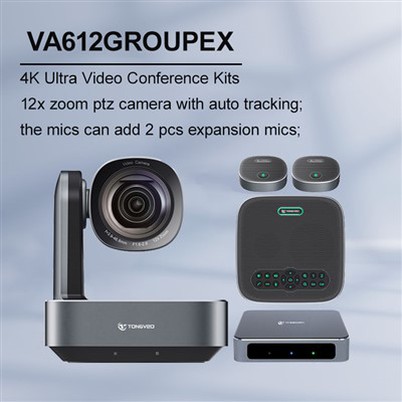
If your church has large rooms or you plan to use the camera for video conferencing during events, a Conference Large Room Skype Camera might be the way to go. These cameras are designed to cover large areas and provide excellent video quality for remote participation.
Camera Placement
Once you've got your camera, it's time to figure out where to put it. The location of the camera can make or break your recordings. You want to find a spot that gives you a good view of the main areas of activity in the church.
For the sanctuary, a common place to mount the camera is on the ceiling near the back. This gives you a bird's - eye view of the entire space, including the altar, pews, and the stage. If you're recording a wedding or a special service, you can adjust the camera to focus on the key moments, like the exchange of vows or the sermon.
In the fellowship hall or other event spaces, you might want to place the camera on a wall or a tripod. Make sure it's at a height that allows for a clear view without any obstructions. You also need to consider the lighting in the area. Try to avoid placing the camera in direct sunlight or in a spot where there are harsh shadows.
Mounting the Camera
Mounting the PTZ camera properly is crucial. You don't want it to wobble or move during the recording. If you're mounting it on the ceiling, you'll need to use the right hardware. Make sure the ceiling can support the weight of the camera. You might need to consult a professional if you're not sure.
If you're using a tripod, choose a sturdy one. Adjust the legs to make sure the camera is level. You can also use a spirit level to double - check. Once the camera is mounted, test it out by moving it around using the pan, tilt, and zoom controls. Make sure it moves smoothly and doesn't get stuck.
Connecting the Camera
Now, it's time to connect the camera to your recording equipment. Most PTZ cameras come with a variety of connection options, such as HDMI, Ethernet, or USB. You'll need to choose the right cable based on your recording device.
If you're using a computer for recording, you can connect the camera via USB. This is a simple and straightforward way to get the video feed onto your computer. Make sure your computer has the necessary drivers installed. You can usually find these on the camera manufacturer's website.
If you're using a dedicated video recorder, you might want to use an HDMI cable for the best video quality. Connect the camera to the recorder and then power on both devices. You should see the camera's video feed on the recorder's screen.
Setting Up the Recording Software
Once the camera is connected, you need to set up the recording software. There are many different software options available, both free and paid. Some popular ones include OBS (Open Broadcaster Software) and Camtasia.
When setting up the software, you'll need to select the camera as the video source. You can also adjust the recording settings, such as the resolution, frame rate, and file format. For most church recordings, a resolution of 1920x1080 at 30 frames per second is a good choice. It provides high - quality video without taking up too much storage space.
You can also set up the software to record automatically when the camera detects motion or at specific times. This is great for event - based recording, as you don't have to be there to start and stop the recording manually.
Testing the System
Before the big event, it's essential to test the entire system. Turn on the camera, the recording equipment, and the software. Move the camera around using the pan, tilt, and zoom controls to make sure it's working properly.
Record a short test video and play it back. Check the video quality, the audio (if you're recording audio as well), and the overall functionality of the system. Make any necessary adjustments, such as changing the camera settings or the recording software settings.
During the Event
During the event, keep an eye on the camera and the recording. Make sure the camera is focused on the right areas and that the recording is going smoothly. If there are any issues, such as the camera getting stuck or the recording stopping, you'll need to act quickly to fix them.
You can also use the camera's presets to quickly switch between different views. For example, you can set a preset for the altar area, one for the choir, and one for the congregation. This makes it easy to capture all the important moments of the event.
Post - Event Processing
After the event, you'll need to process the recordings. This might involve editing the video, adding titles and captions, and converting the file to a different format if needed. You can use video editing software like Adobe Premiere Pro or the free version of DaVinci Resolve.
Once the video is edited, you can share it on your church's website, social media channels, or YouTube. This is a great way to reach a wider audience and share the church's events with people who couldn't attend in person.
Conclusion
Setting up a PTZ video camera for event - based recording in a church is a multi - step process, but it's definitely doable. By choosing the right camera, placing it correctly, connecting it properly, setting up the recording software, and testing the system, you can create high - quality recordings of your church events.


If you're interested in purchasing a PTZ video camera for your church or have any questions about the setup process, don't hesitate to reach out. We're here to help you make the most of your event recordings.
References
- Camera manufacturer's user manuals
- Online tutorials on PTZ camera setup and recording software
- Articles on video recording best practices for churches