What is the bandwidth requirement for using an HDMI conference camera?
Leave a message

Hey there! As a supplier of HDMI conference cameras, I often get asked about the bandwidth requirements for using these nifty devices. So, I thought I'd break it down for you in this blog post.
Let's start with the basics. HDMI conference cameras are a staple in modern video conferencing setups. They offer high - quality video and smooth pan - tilt - zoom (PTZ) functions, which are crucial for an efficient and engaging conference experience. Whether you're a small business holding weekly team meetings or a large corporation hosting international seminars, these cameras can make a big difference.
Now, let's talk bandwidth. Bandwidth essentially refers to the amount of data that can be transferred over an internet connection in a given amount of time. It's typically measured in bits per second (bps), kilobits per second (kbps), megabits per second (Mbps), or gigabits per second (Gbps).
The bandwidth requirement for an HDMI conference camera depends on several factors. First off is the video resolution. Resolution is all about the number of pixels in an image, which directly affects the quality of the video. Common resolutions you'll encounter in HDMI conference cameras are 720p, 1080p (Full HD), 2K, and 4K.
For 720p video, which has a resolution of 1280x720 pixels, you'll generally need a bandwidth of around 1 - 3 Mbps. This resolution is decent for smaller meetings or when your internet connection isn't super fast. It provides clear enough video for participants to see each other and share basic visual information.


When you step up to 1080p (1920x1080 pixels), the bandwidth requirement jumps to about 3 - 6 Mbps. Full HD offers a much sharper and more detailed image, making it ideal for most business meetings. You can easily read documents, see facial expressions clearly, and have a more immersive conferencing experience.
If you're aiming for 2K resolution (2560x1440 pixels), you're looking at a bandwidth requirement of around 6 - 12 Mbps. This higher resolution is great for larger conferences or when you need to display high - quality visuals, like detailed product designs or complex graphs.
And then there's 4K (3840x2160 pixels). This is the top - of - the - line resolution, but it comes with a hefty bandwidth demand of 15 - 25 Mbps or more. 4K provides an incredibly sharp and lifelike image, but you'll need a very stable and high - speed internet connection to make the most of it.
Another factor that affects bandwidth usage is the frame rate. Frame rate is the number of individual frames that are displayed per second (fps). A higher frame rate results in smoother video, but it also requires more bandwidth. Most HDMI conference cameras support frame rates of 30fps or 60fps. If you're using a 30fps setting, you'll use less bandwidth compared to a 60fps setting. For example, at 1080p, a 30fps video might need around 3 - 4 Mbps, while a 60fps video could require 4 - 6 Mbps.
The compression technology used by the camera also plays a role. Modern HDMI conference cameras use advanced compression algorithms like H.264 or H.265. These algorithms reduce the amount of data needed to transmit the video without sacrificing too much quality. H.265 is more efficient than H.264, meaning it can achieve the same video quality with less bandwidth. So, if your camera supports H.265, you might be able to get away with using a bit less bandwidth.
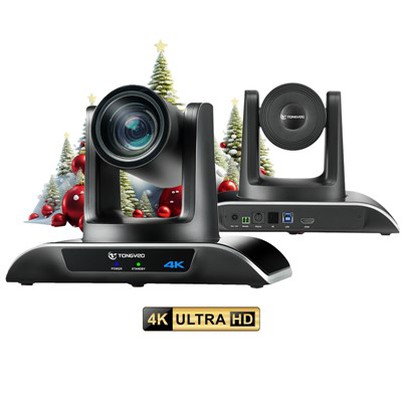
Now, let's take a look at some of the products we offer. We have the HDMI SDI HD PTZ 20x Optical Zoom Camera for Video Conference. This camera is a beast when it comes to video quality. With 20x optical zoom, you can get a close - up of important details during a meeting. It supports high - resolution video, so you'll want to make sure you have enough bandwidth to handle it.
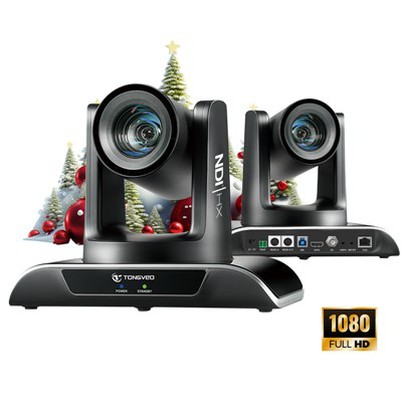
Our HDMI Ptz Video Conference Camera is another great option. It's designed to be user - friendly and offers smooth PTZ functions. Depending on the resolution and frame rate you choose, you'll need to adjust your bandwidth accordingly.
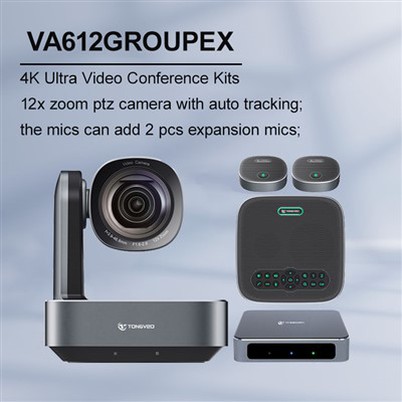
And then there's the Conference Call Camera System. This comprehensive system is perfect for large - scale conferences. It combines high - quality cameras with other features to ensure a seamless conferencing experience. But again, given the high - end capabilities, you'll need a reliable and high - bandwidth internet connection.
Before you start using an HDMI conference camera, it's a good idea to test your internet connection. You can use online speed test tools to check your upload and download speeds. If your speeds are lower than the recommended bandwidth for your desired resolution and frame rate, you might experience issues like pixelation, buffering, or dropped frames.
If your current internet connection isn't up to par, you have a few options. You could upgrade your internet plan to a higher - speed package. Many internet service providers offer different tiers of service, so you can choose one that suits your needs. Another option is to optimize your network setup. Make sure you're using a wired connection instead of Wi - Fi, as wired connections are generally more stable and offer higher speeds. You can also try closing other bandwidth - intensive applications on your network, like streaming services or large file downloads.
In conclusion, understanding the bandwidth requirements for using an HDMI conference camera is crucial for a smooth and high - quality video conferencing experience. By considering factors like resolution, frame rate, and compression technology, you can choose the right camera and ensure that your internet connection can handle it.
If you're in the market for an HDMI conference camera or have any questions about bandwidth requirements, don't hesitate to reach out. We're here to help you make the best choice for your conferencing needs.
References:
- General knowledge about video conferencing technology and bandwidth requirements
- Product specifications of HDMI conference cameras from our inventory