What is the latency of an IP PTZ camera's video transmission?
Leave a message

Yo! As an IP PTZ camera supplier, I get asked a lot about the latency of video transmission. It's a crucial topic, especially for folks who rely on these cameras for things like video conferencing, surveillance, or live streaming. So, let's dig into what latency is, what affects it, and how we can manage it.


What's Latency Anyway?
Latency, in simple terms, is the delay between when an event happens in the real world and when it shows up on the screen. Think of it like shouting at someone across a big field. There's a little bit of time before they actually hear you. In the world of IP PTZ cameras, latency can make a big difference. For example, in a video conference, if there's too much delay, people might talk over each other, and the whole conversation can get messed up.
Factors Affecting Latency
There are several things that can cause latency in an IP PTZ camera's video transmission.
Camera Processing
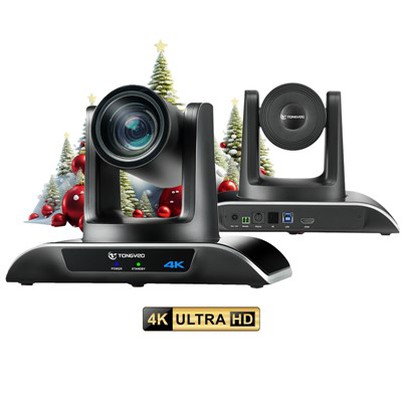
First off, the camera itself plays a role. When the camera captures an image, it has to process that data. This involves things like compressing the video to make it smaller so it can be sent over the network. Different cameras have different processing speeds. Some high - end cameras are designed to process video really quickly, while others might take a bit longer. For instance, our PTZ IP Conference Room Camera is built with advanced processing chips that help reduce this initial processing latency.
Network Conditions
The network is another major factor. If you're sending the video over a slow or congested network, it's going to take longer for the data to reach its destination. Wi - Fi networks can be especially tricky. There might be a lot of other devices using the same network, or the signal might be weak. Wired networks are generally more reliable, but they can also have issues if the cables are old or damaged. Bandwidth is also crucial. If you don't have enough bandwidth, the video data might get stuck in a queue, waiting to be sent.
Encoding and Decoding
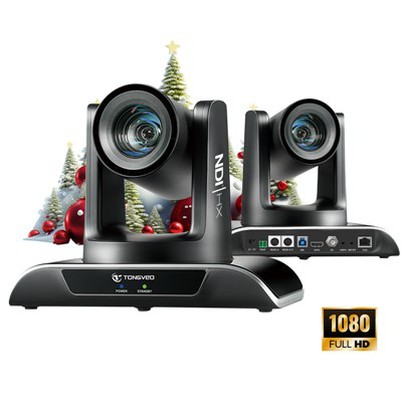
Encoding is the process of converting the raw video data into a format that can be sent over the network, and decoding is the reverse process at the receiving end. Different encoding standards have different levels of efficiency. Some standards, like H.264 and H.265, are very popular because they can compress the video well while maintaining good quality. However, the more complex the encoding, the more processing power it requires, which can add to the latency. Our FHD IP HDMI USB3.0 PTZ Video Conferencing Camera with 20x Optical Zoom for Church uses optimized encoding algorithms to balance quality and latency.
Measuring Latency
Measuring latency isn't always straightforward. One common way is to use a software tool that can analyze the time difference between when a frame is sent and when it's received. You can also do a simple visual test. For example, you can hold up a stopwatch in front of the camera and watch it on the receiving end. The difference in the time shown on the stopwatch is a rough estimate of the latency.
Reducing Latency
So, how can we reduce latency?
Upgrade the Camera
Investing in a high - quality camera can make a big difference. Newer cameras are often designed with better processing power and more efficient encoding algorithms. As I mentioned earlier, our cameras are built to minimize latency from the start.
Improve the Network
If possible, switch to a wired network or upgrade your Wi - Fi router. Make sure you have enough bandwidth for your needs. You can also try to reduce the number of devices using the network at the same time.
Optimize Encoding Settings
Adjusting the encoding settings on the camera can also help. You might need to find a balance between quality and latency. Sometimes, reducing the video resolution or frame rate can significantly cut down on latency.
Real - World Applications
Let's take a look at how latency impacts different applications.
Video Conferencing
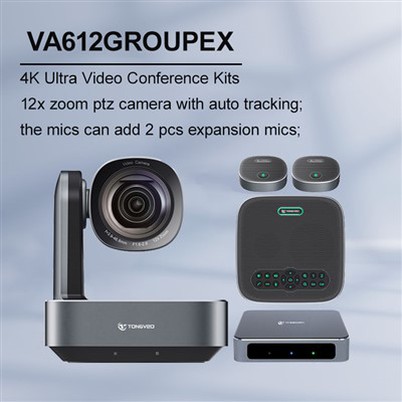
In video conferencing, low latency is essential. People need to be able to have a natural conversation without long delays. If the latency is too high, it can be frustrating and make it difficult to communicate effectively. Our Wide Angle Conference Camera is specifically designed for video conferencing, with features that help keep latency to a minimum.
Surveillance
For surveillance, latency might not be as critical in some cases. However, if you're trying to monitor a live event in real - time, even a small delay can be a problem. For example, if there's a security breach, you want to be able to see it as soon as possible.
Live Streaming
In live streaming, viewers expect to see the action as it happens. High latency can lead to a poor viewing experience, especially if the stream is being watched by a large audience. Reducing latency is key to keeping viewers engaged.
Conclusion
Latency in an IP PTZ camera's video transmission is a complex issue, but it's one that can be managed. By understanding the factors that affect latency and taking steps to reduce it, you can ensure a smooth and high - quality video experience.
If you're in the market for an IP PTZ camera and want to learn more about how we can help you with low - latency video transmission, don't hesitate to reach out. We're here to assist you in finding the perfect camera for your needs and making sure you get the best performance possible. Whether it's for a conference room, a church, or a surveillance setup, we've got you covered.
References
- Cisco. "Understanding Network Latency." Cisco White Paper.
- International Telecommunication Union (ITU). "Video Coding Standards." ITU Publications.