What is the difference between an HDMI conference camera and a regular webcam?
Leave a message

In the digital age, video communication has become an integral part of both personal and professional life. With the increasing demand for high - quality video conferencing, two types of cameras stand out: HDMI conference cameras and regular webcams. As an HDMI conference camera supplier, I am well - versed in the distinct features of these devices, and in this blog, I'll elaborate on the differences between them.
Image Quality
One of the most significant differences between an HDMI conference camera and a regular webcam lies in their image quality. High - definition is now the norm for video conferencing, and HDMI conference cameras excel in this regard.
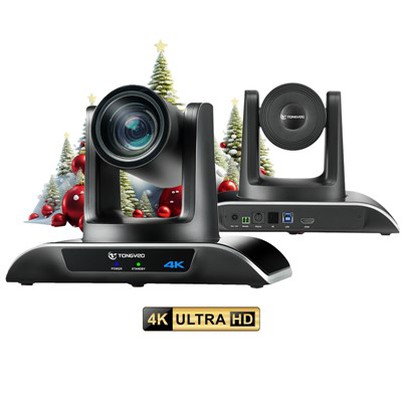
HDMI conference cameras often support much higher resolutions, such as 4K and even 8K in some high - end models. They are equipped with advanced image sensors that can capture more details and colors, making the video look more vivid and life - like. For example, in a large conference room where clear facial expressions and body language are crucial for communication, an HDMI conference camera can provide sharp and detailed images.
On the other hand, regular webcams usually come with lower resolutions, typically capped at 1080p. Their image sensors are not as sophisticated, resulting in less detailed and less vibrant images. When there are many people in the frame or the lighting conditions are poor, the limitations of regular webcams become even more apparent, with pictures looking grainy or washed out.
Video Transmission
The video transmission capabilities of these two types of cameras also differ greatly. HDMI conference cameras use HDMI (High - Definition Multimedia Interface) for video transmission, which is designed to carry high - quality, uncompressed video signals. This ensures that the video transferred from the camera to the display or video conferencing system retains its original quality without any loss during the transmission process.


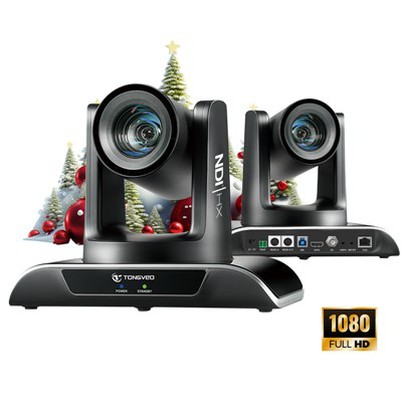
Moreover, some HDMI conference cameras also support additional interfaces like SDI (Serial Digital Interface). SDI offers long - distance transmission with high reliability, which is ideal for large - scale conference setups. For instance, our HDMI SDI HD PTZ 20x Optical Zoom Camera for Video Conference combines the advantages of HDMI and SDI, providing flexible and high - quality video transmission solutions.
In contrast, regular webcams typically use USB (Universal Serial Bus) for data transfer. While USB is a widely - used and convenient interface, it has limitations when it comes to transmitting high - resolution and high - frame - rate video. The bandwidth of USB may not be sufficient to handle large amounts of video data, leading to potential lag, dropped frames, or lower - quality video during the transmission, especially in bandwidth - constrained environments.
Zoom and Pan/Tilt Capabilities
Zoom and pan/tilt functions are essential, especially in conference settings where different participants and scenarios need to be captured. HDMI conference cameras generally offer more advanced zoom and pan/tilt capabilities.
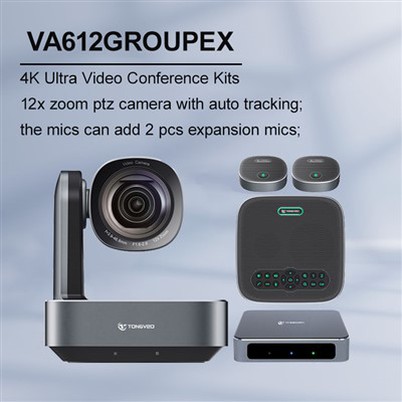
Many HDMI conference cameras come with optical zoom, which can magnify the image without sacrificing much of the image quality. For example, cameras with 20x optical zoom can bring far - away objects close clearly, allowing the viewer to see details even in a large conference hall. They also have smooth pan and tilt functions, which can cover a wide field of view automatically or be controlled remotely. This is very useful for tracking speakers during a presentation or getting different perspectives in a multi - participant meeting.
Regular webcams, however, usually have limited or no optical zoom. Instead, they rely on digital zoom, which simply enlarges the pixels of the existing image, resulting in a significant loss of quality and a blurry image. Their pan/tilt capabilities are also very basic, if available at all, often with a limited range of movement.
Audio Integration
Good audio is as important as good video in a video conference. HDMI conference cameras are often designed with better audio integration features.
Some HDMI conference cameras come with built - in microphones that have excellent noise - cancellation capabilities. They can pick up clear voices from all around the room, even in noisy environments. Additionally, they can be easily connected to external audio systems, allowing for a more flexible and high - quality audio setup. This is crucial for large conference rooms or open - plan offices where background noise can be a major issue.
Regular webcams usually come with a simple built - in microphone that may not be very effective in filtering out background noise. The audio quality can be mediocre, making it difficult for participants to hear clearly, especially in a large group or a noisy environment.
Compatibility and Flexibility
HDMI conference cameras offer greater compatibility and flexibility in different video conferencing setups. They can be connected to a wide variety of devices, such as laptops, desktops, TVs, and professional video conferencing systems. They are also more suitable for integration into existing business IT infrastructures.
For example, our Usb2.0 Skype Video Conference Camera 1080P HDMI SDI is compatible with many popular video - conferencing software platforms like Skype, Zoom, and Microsoft Teams. This makes it a versatile choice for businesses and individuals who use different communication tools.
Regular webcams are mainly designed for simple, plug - and - play use on personal computers. Their compatibility is often limited to a specific operating system or software, and they may not be as easily integrated into complex enterprise - level video conferencing systems.
Cost and Value
In terms of cost, regular webcams are generally more affordable, making them a popular choice for home users and small - scale video conferencing needs. They are often budget - friendly and can meet the basic requirements of one - on - one or small - group video calls.
However, when it comes to professional settings, the value provided by HDMI conference cameras far outweighs their relatively higher cost. They offer superior image and audio quality, advanced features, and better compatibility, which are essential for successful large - scale video conferences, corporate training sessions, and business presentations. Our IP Video Conference Camera is a high - end product that combines cutting - edge technology and excellent performance, providing long - term value for businesses.
Conclusion
In summary, while regular webcams are convenient and cost - effective for basic video communication needs, HDMI conference cameras are the clear choice for professional and high - quality video conferencing. Their superior image and audio quality, advanced features, and better compatibility make them indispensable for modern businesses and organizations.
If you are in the market for a high - quality video conferencing solution, I encourage you to consider our range of HDMI conference cameras. We are committed to providing the best products and services to meet your specific needs. Whether you are setting up a small meeting room or a large - scale conference center, our cameras can offer you a seamless and immersive video conferencing experience. Contact us for more information and to start discussing your procurement requirements.
References
- "Video Conferencing Technology: A Comprehensive Guide", published by Tech Insights Press
- "Comparative Analysis of Video Conference Cameras", research report by the Institute of Digital Communication