What is the difference between a high - speed and a standard - speed video conference camera?
Leave a message

Hey there! As a supplier of video conference cameras, I've gotten tons of questions from customers about the difference between high - speed and standard - speed video conference cameras. So, I thought I'd break it down for you in this blog.
Let's start with the basics. A standard - speed video conference camera is what most people are familiar with. It's been around for a while and does a pretty good job of getting the job done. These cameras usually have a decent frame rate, often around 30 frames per second (fps). That's enough to give you a smooth video feed for most regular video conferencing needs. For example, if you're having a simple team meeting, a standard - speed camera can capture everyone's facial expressions and movements clearly.
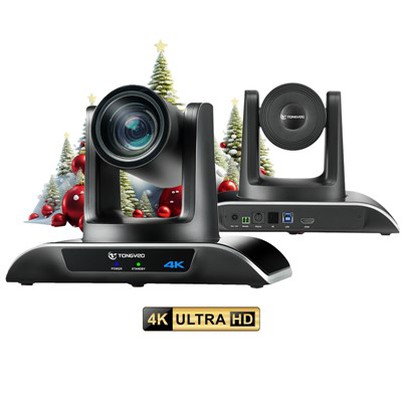
On the other hand, high - speed video conference cameras are a bit of a game - changer. They can go way beyond the typical 30 fps. Some high - speed cameras can reach 60 fps or even higher. This higher frame rate means that the video you get is incredibly smooth. It's like the difference between watching an old - school movie and a modern blockbuster with all the special effects.
One of the biggest differences between the two is in how they handle motion. In a standard - speed camera, when there's a lot of movement on screen, like someone quickly walking across the room or making fast hand gestures, the video can look a bit choppy. It's not a huge deal in a normal meeting where people are mostly sitting still, but it can be a problem in more dynamic situations.
With a high - speed camera, though, all that motion is captured flawlessly. Whether it's a live demonstration where people are moving equipment around or a sports - related video conference where players are showing off their skills, the high - speed camera can keep up. This is really important if you want to give your viewers the most immersive experience possible.
Another area where the difference shows is in the clarity of the image. High - speed cameras often come with better sensors and lenses. These advanced components can capture more details in the frame. So, if you're looking at a presentation with small text or a complex diagram, a high - speed camera can make sure that everything is crystal clear.
Standard - speed cameras, while they can still provide a good level of clarity, might struggle in these situations. The text could look a bit blurry, or the details in the diagram might be hard to make out. This can be a real issue if you're relying on the camera to convey important information during a conference.
Now, let's talk about the price. As you might expect, high - speed video conference cameras are generally more expensive than standard - speed ones. The technology that goes into making them is more advanced, and that comes with a cost. But if you're a business that relies heavily on high - quality video conferencing, like a media company or a large corporation with international meetings, the investment in a high - speed camera can be well worth it.
For smaller businesses or individuals who just need a camera for occasional meetings, a standard - speed camera is probably the way to go. It's more budget - friendly and can still meet your basic needs.
Let's also consider the applications. Standard - speed cameras are great for everyday use. They're perfect for small team meetings, online classes, or simple one - on - one conversations. You can set them up easily and start using them right away.
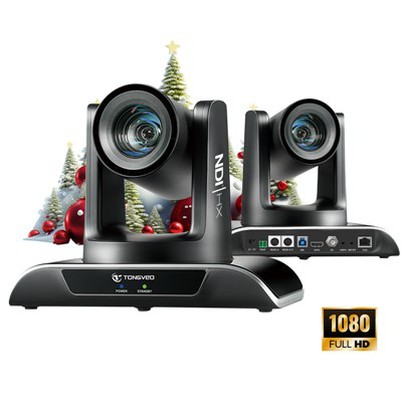
High - speed cameras, however, are more suited for professional applications. If you're into Livestreaming Ptz Camera, where you need to capture fast - paced action and provide a high - quality stream to your audience, a high - speed camera is essential. They're also ideal for Ndi Ptz Camera For Church Live Streaming, where you want to make sure that every detail of the service is captured clearly.
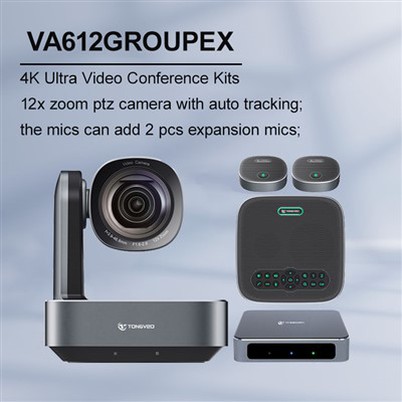
And if you're looking for a camera with a fast data transfer rate, check out our USB 3.0 Video Conference Camera. It combines the benefits of high - speed data transfer with great video quality.
When it comes to connectivity, both types of cameras usually offer a range of options. You can connect them to your computer via USB, HDMI, or other ports. But high - speed cameras might have more advanced connectivity features to support their high - performance capabilities.
In terms of software compatibility, most modern video conferencing software can work with both standard - speed and high - speed cameras. However, high - speed cameras might be able to take advantage of some of the more advanced features in the software, like enhanced video processing and real - time effects.
So, which one should you choose? Well, it really depends on your needs. If you're on a tight budget and just need a camera for basic meetings, a standard - speed camera is a great choice. But if you're looking for the best possible video quality, especially in situations with a lot of motion or detailed content, then a high - speed camera is the way to go.

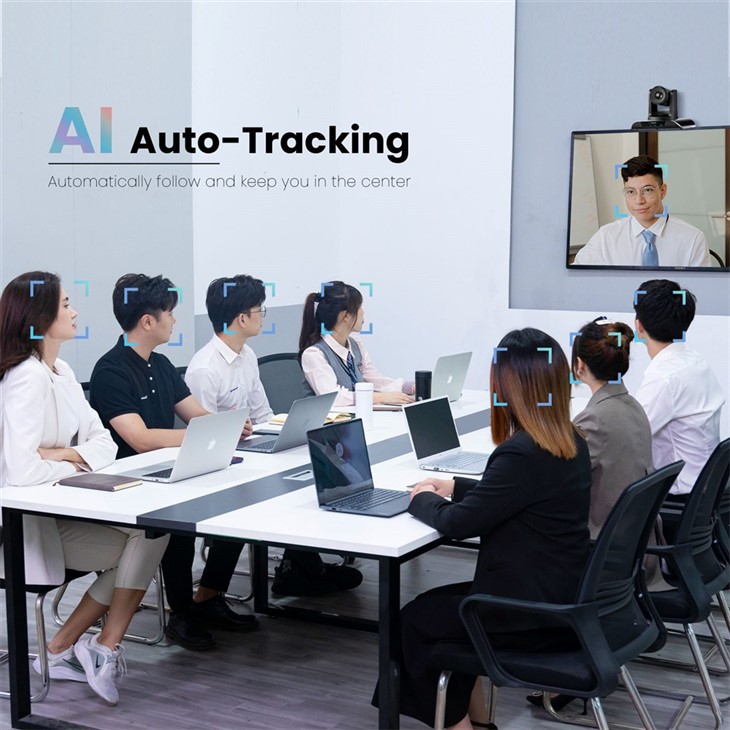
If you're still not sure which camera is right for you, don't hesitate to reach out. We're here to help you make the best decision for your business or personal use. Whether you're a small startup or a large enterprise, we can find the perfect video conference camera for you. Just contact us to start the procurement process and let's have a chat about your requirements.
References
- General knowledge from years of experience in the video conference camera industry
- Industry reports on video conferencing technology trends