What is the difference between a single - sensor and a multi - sensor video conference camera?
Leave a message

Hey there! As a supplier of video conference cameras, I often get asked about the difference between single - sensor and multi - sensor video conference cameras. In this blog, I'm gonna break it down for you in a simple way.
Let's start with single - sensor video conference cameras. These cameras have just one image sensor. It's like having one pair of eyes to capture the scene in front of it. They're pretty straightforward.
One of the biggest advantages of single - sensor cameras is their simplicity. They're easier to manufacture, which usually means they come at a lower cost. If you're on a tight budget for your video conferencing setup, a single - sensor camera can be a great option. For small businesses or home offices where you don't need super - high - end features, these cameras can do the job just fine. They can provide a clear view of the speaker or a small group in a relatively small space.
However, single - sensor cameras do have their limitations. Since they only have one sensor, their field of view is often more restricted. They might not be able to capture a large room or a big group of people without some significant compromises. For example, if you try to widen the field of view too much, the image quality can start to degrade, becoming pixelated or distorted around the edges. Also, in terms of depth perception, single - sensor cameras are not as good as multi - sensor ones. They can have a harder time accurately focusing on different objects at different distances in the same frame.
Now, let's talk about multi - sensor video conference cameras. These cameras are like having multiple pairs of eyes working together. They use two or more image sensors to capture the scene.
The main advantage of multi - sensor cameras is their wider and more flexible field of view. With multiple sensors, they can stitch together images to create a much broader perspective. This is perfect for large conference rooms or events where you need to capture a big group of people. You can have a full view of the entire room without having to worry about missing anyone in the corners.
Another great thing about multi - sensor cameras is their improved depth perception. Since they have multiple sensors looking at the scene from different angles, they can better understand the distance between objects. This results in better autofocus, especially when there are people moving around at different distances in the frame. The images they produce are often more three - dimensional and realistic, which can really enhance the overall video conferencing experience.


But, of course, multi - sensor cameras come with their own set of drawbacks. First of all, they're more expensive. The additional sensors and the technology needed to combine the images add to the production cost. So, if you don't really need the extra features, it might be overkill to invest in a multi - sensor camera. Also, they can be more complex to set up and calibrate. You need to make sure all the sensors are working in harmony to get the best results.
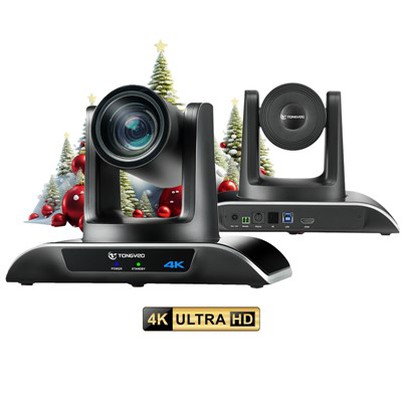
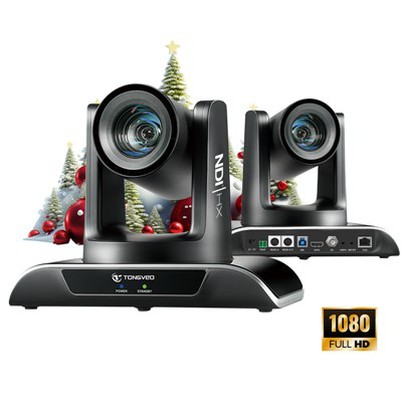
When it comes to choosing between a single - sensor and a multi - sensor video conference camera, it really depends on your specific needs. If you have a small space, like a home office or a small meeting room, and you're on a budget, a single - sensor camera might be the way to go. You can check out our USB 3.0 Video Conference Camera, which offers good quality at an affordable price.
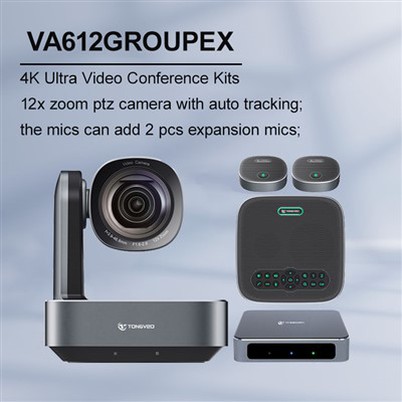
On the other hand, if you're dealing with large conference rooms or need to capture a big group of people, a multi - sensor camera is the better option. Our All in One Audio Video Conference Room System includes a high - quality multi - sensor camera that can handle large spaces with ease. And if you want to connect the camera to your TV, we also have the Conference Camera For Tv.
In conclusion, both single - sensor and multi - sensor video conference cameras have their pros and cons. It's all about finding the right fit for your situation. If you're still not sure which one is best for you, don't hesitate to reach out. We're here to help you make the right decision and provide you with the best video conferencing solution for your needs. Whether you're a small business owner, a large corporation, or an individual looking for a home setup, we've got you covered.
If you're interested in purchasing any of our video conference cameras or have any questions about the products, feel free to contact us. We're more than happy to have a chat with you and discuss your requirements. Let's work together to make your video conferencing experience top - notch!
References:
- Industry knowledge and experience as a video conference camera supplier.
- Research on the latest trends and technologies in video conferencing cameras.