How to use a webcam for video calls?
Leave a message

In today's digital age, video calls have become an integral part of both personal and professional communication. Whether you're catching up with friends and family across the globe or participating in important business meetings, a webcam can significantly enhance your video - call experience. As a webcam supplier, I'm here to share some valuable insights on how to make the most of your webcam for video calls.
1. Choosing the Right Webcam
The first step in using a webcam for video calls is selecting the right one for your needs. There are numerous options available in the market, each with its own set of features and price points.
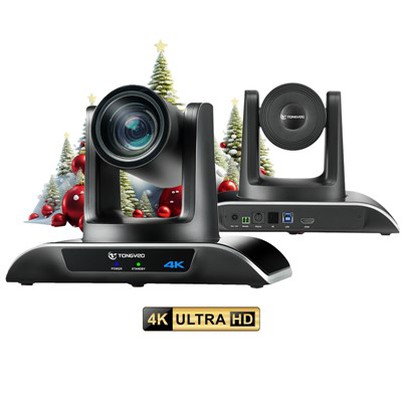
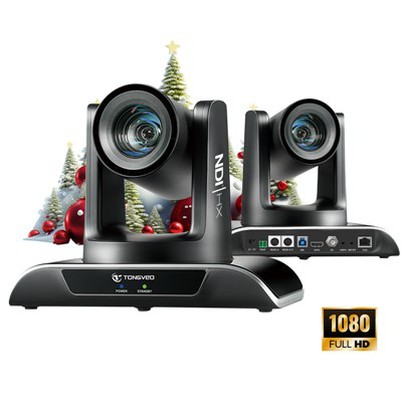
- Resolution: The resolution of a webcam determines the clarity of the video. For basic video calls with friends and family, a 720p webcam might suffice. However, for professional meetings or high - quality content creation, a 1080p or even 4K webcam is recommended. Our Huddle Conference Camera offers a high - resolution output, ensuring sharp and clear images during your video calls.
- Frame Rate: A higher frame rate results in smoother video. Most webcams offer a frame rate of 30 frames per second (fps), which is suitable for normal video calls. But if you're in a fast - paced environment or need to capture quick movements, a webcam with 60 fps or higher would be a better choice.
- Field of View (FoV): The FoV determines how much of the surrounding area the webcam can capture. A wider FoV is useful if you're in a group setting or need to show more of your workspace. Some webcams come with adjustable FoV, allowing you to customize it according to your requirements.
2. Setting Up Your Webcam
Once you've chosen the right webcam, the next step is to set it up properly.
- Physical Placement: Place your webcam at eye level. This creates a more natural and engaging look during the video call. You can use a webcam stand or mount it on top of your monitor. Avoid placing it too low or too high, as it can distort your facial features and make the conversation less comfortable.
- Lighting: Good lighting is crucial for a clear and professional - looking video. Avoid backlighting, which can make your face appear dark. Instead, use soft, diffused lighting from the front or side. You can use natural light from a window or invest in a ring light or softbox for more consistent lighting.
- Connection: Connect your webcam to your computer. Most webcams use a USB connection, which is easy to set up. Simply plug the webcam into an available USB port on your computer, and your operating system should automatically detect and install the necessary drivers. In some cases, you may need to download the drivers from the manufacturer's website.
3. Testing Your Webcam
Before starting a video call, it's important to test your webcam to ensure it's working properly.

- Built - in Testing Tools: Most operating systems have built - in tools for testing your webcam. On Windows, you can use the Camera app to check if your webcam is capturing video correctly. On Mac, the Photo Booth app can be used for the same purpose.
- Video - Calling Apps: Open your preferred video - calling app, such as Zoom, Skype, or Microsoft Teams. In the app's settings, find the video settings and select your webcam as the video source. You should see a live preview of what the webcam is capturing. Adjust the settings if necessary, such as brightness, contrast, and focus.
4. Optimizing Your Webcam Settings
To get the best possible video quality during your calls, you can optimize the webcam settings.
- Image Settings: Most webcams allow you to adjust settings such as brightness, contrast, saturation, and sharpness. Experiment with these settings to find the combination that works best for your environment. For example, if you're in a dimly lit room, you may need to increase the brightness.
- Focus: Some webcams have auto - focus, which automatically adjusts the focus based on the distance of the subject. If your webcam has manual focus, you can adjust it to ensure that your face or the subject of the video is in sharp focus.
- Audio Settings: A good webcam often comes with a built - in microphone. Make sure to test the audio as well. In the video - calling app's settings, select your webcam's microphone as the audio input. Speak into the microphone and check if the other person can hear you clearly. You can also adjust the audio volume and sensitivity if needed.
5. Using Your Webcam Effectively During Video Calls
Now that your webcam is set up and optimized, it's time to use it effectively during video calls.
- Eye Contact: Look directly into the webcam lens rather than at the screen. This gives the impression that you're making eye contact with the other person, which is important for building a connection during the call.
- Body Language: Your body language plays a significant role in communication. Sit up straight, keep your hands visible, and use appropriate gestures to convey your message. Avoid fidgeting or slouching, as it can make you appear unprofessional or disinterested.
- Background: Choose a clean and uncluttered background. A plain wall or a professional - looking backdrop can enhance the overall look of the video call. You can also use virtual backgrounds available in some video - calling apps to add a touch of creativity or privacy.
6. Troubleshooting Common Webcam Issues
Even with proper setup and optimization, you may encounter some common webcam issues.
- Video Freezing or Lagging: This can be caused by a slow internet connection or insufficient system resources. Check your internet speed and close any unnecessary applications running on your computer. You can also try reducing the video resolution in the video - calling app to reduce the bandwidth requirements.
- No Video or Audio: If you're not getting any video or audio, make sure that your webcam and microphone are properly connected and selected as the input devices in the video - calling app. You may also need to update the webcam drivers to the latest version.
- Poor Image Quality: If the image quality is poor, check the lighting conditions and adjust the webcam settings as described earlier. It's also possible that the webcam lens is dirty, so clean it gently with a soft, dry cloth.
7. Maintaining Your Webcam
To ensure the longevity and optimal performance of your webcam, proper maintenance is essential.
- Cleaning: Regularly clean the webcam lens with a soft, dry cloth to remove dust and fingerprints. Avoid using abrasive materials or harsh chemicals, as they can damage the lens.
- Storage: When not in use, store your webcam in a safe and dry place. Protect it from physical damage, such as drops or impacts.
- Software Updates: Keep the webcam drivers and the video - calling apps up to date. Software updates often include bug fixes, performance improvements, and new features that can enhance your video - call experience.
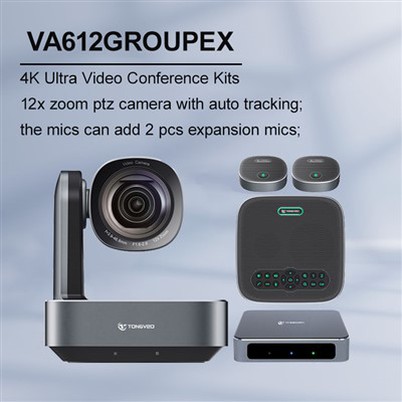
As a webcam supplier, we understand the importance of a high - quality webcam for seamless video calls. Our Huddle Conference Camera and other products are designed to meet the diverse needs of our customers, whether for personal or professional use. If you're interested in purchasing a webcam or have any questions about our products, we encourage you to contact us for procurement and further discussions. We're committed to providing you with the best solutions and support for your video - calling requirements.
References
- "Video Conferencing Best Practices" - Various industry blogs and articles
- Webcam user manuals and documentation from different manufacturers