How to make the video from a PC conference camera look more professional?
Leave a message

In the modern digital age, video conferencing has become an integral part of both business and personal communication. As a supplier of PC conference cameras, I understand the importance of presenting a professional image during these virtual meetings. A high - quality video not only enhances the overall experience but also conveys credibility and competence. In this blog, I'll share some effective strategies on how to make the video from a PC conference camera look more professional.
1. Camera Placement and Positioning
The first step in achieving a professional - looking video is to ensure proper camera placement. The camera should be at eye - level to create a natural and engaging connection with the other participants. When the camera is too low, it can make you appear domineering or unapproachable, while a camera placed too high can make you seem submissive or less confident.
To position the camera at eye - level, you can use a stand or mount it on a wall. If you're using a laptop with a built - in camera, consider using an external stand to raise the laptop to the appropriate height. This simple adjustment can have a significant impact on the overall appearance of your video.
In addition to height, the angle of the camera also matters. A straight - on angle is generally the most professional, as it gives the impression of direct communication. Avoid shooting from extreme angles, as they can distort your features and make the video look unprofessional.


2. Lighting
Lighting is one of the most crucial factors in creating a professional video. Poor lighting can result in dark shadows, washed - out colors, and a generally unappealing image. To ensure good lighting, try to use natural light whenever possible. Position yourself near a window, but avoid direct sunlight, as it can create harsh shadows and overexposure.
If natural light is not available or insufficient, you can use artificial lighting. Softbox lights or ring lights are popular choices for video conferencing. These lights provide even, diffused illumination that can enhance your appearance. Place the lights in front of you, slightly above eye - level, to minimize shadows on your face.
Another important aspect of lighting is color temperature. Warm white light (around 3000 - 3500K) is often preferred for video conferencing, as it creates a more inviting and professional atmosphere. Avoid using cool white or blue - tinted lights, as they can make your skin look pale and unnatural.
3. Background
The background of your video can greatly affect its professionalism. A cluttered or distracting background can draw attention away from you and make the video look unprofessional. Instead, choose a simple, clean, and neutral background. A solid - colored wall or a professional - looking bookshelf can work well.
If you don't have a suitable physical background, you can use a virtual background. Many video conferencing platforms, such as Zoom and Microsoft Teams, offer virtual background options. You can choose from a variety of pre - loaded backgrounds or upload your own. However, make sure the virtual background is relevant and appropriate for the context of the meeting.
When using a virtual background, ensure that your lighting is consistent. Inconsistent lighting can cause the virtual background to look unrealistic or create a "halo" effect around you.
4. Camera Settings
Most PC conference cameras come with adjustable settings that can be used to optimize the video quality. Start by adjusting the focus. A sharp, well - focused image is essential for a professional look. Most cameras have an autofocus feature, but you may need to manually adjust the focus if the autofocus is not working properly.
You can also adjust the resolution and frame rate of the camera. Higher resolutions, such as 1080p or 4K, will result in a clearer and more detailed video. However, make sure your internet connection can support the higher resolution. A high frame rate (e.g., 30fps or 60fps) can make the video look smoother and more professional.
Some cameras also offer features such as white balance adjustment, contrast, and saturation. Experiment with these settings to find the optimal combination for your lighting conditions and personal preferences.
5. Audio Quality
While this blog is focused on video, audio quality is also an important part of a professional - looking video conference. Poor audio can make it difficult for others to understand you and can detract from the overall professionalism of the meeting.
Invest in a good quality microphone. A USB microphone or a headset with a built - in microphone can significantly improve audio quality. Position the microphone close to your mouth, but avoid touching it, as this can create unwanted noise.
If you're in a noisy environment, consider using noise - cancellation features. Many microphones and video conferencing platforms offer noise - cancellation technology that can help reduce background noise.
6. Use of High - Quality Equipment
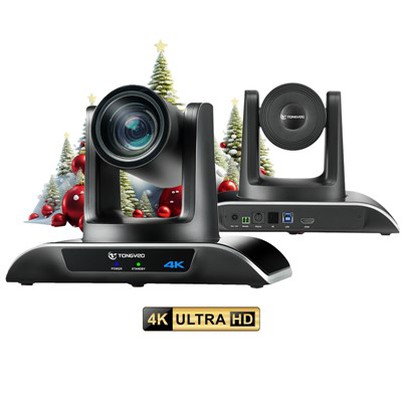
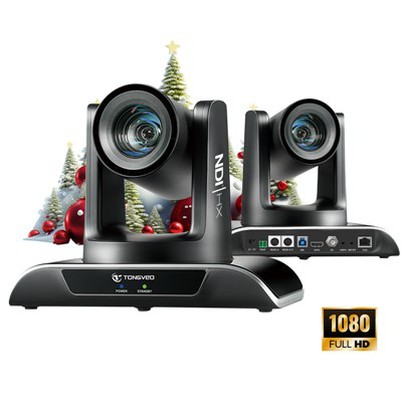
As a PC conference camera supplier, I highly recommend using high - quality equipment. Our zoom meeting conference back camera for microsoft teams is designed to provide clear, sharp, and professional - looking video. It features advanced autofocus, high - resolution imaging, and excellent low - light performance.
Our Pan Tilt USB PTZ Camera for Video Zoom Conferencing offers even more flexibility. With its pan and tilt functionality, you can easily adjust the camera angle during the meeting. This is especially useful in larger meeting rooms or when multiple people are participating in the conference.
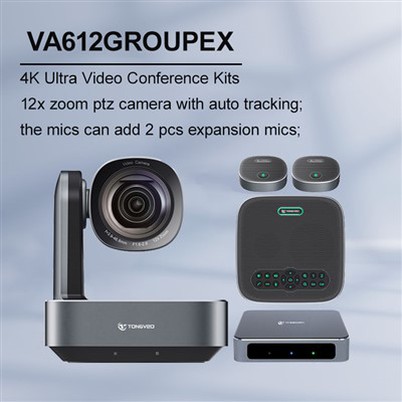
For conference rooms, our Conference Room Call Video Camera is an ideal choice. It is specifically designed to capture high - quality video in a conference room setting, with wide - angle lenses and advanced audio capabilities.
7. Dress and Appearance
Your dress and appearance also play a role in how professional your video looks. Dress appropriately for the occasion, just as you would for an in - person meeting. Avoid wearing bright or flashy colors that can be distracting on camera. Instead, choose neutral or professional - looking colors.
Pay attention to your grooming as well. Make sure your hair is neat, and your face is clean - shaven or well - groomed. A well - presented appearance can enhance your credibility and make a positive impression on the other participants.
8. Post - Production (Optional)
If you have the time and resources, you can also use post - production techniques to enhance the video quality. There are many video editing software programs available, such as Adobe Premiere Pro or DaVinci Resolve. These programs allow you to adjust the color, contrast, and sharpness of the video, as well as add text, transitions, and other effects.
However, keep in mind that post - production is not always necessary for a professional - looking video conference. For most meetings, the tips mentioned above should be sufficient to achieve a high - quality video.
Conclusion
Making the video from a PC conference camera look more professional requires attention to detail and a combination of factors, including camera placement, lighting, background, camera settings, audio quality, equipment, dress, and appearance. By following these tips, you can create a more engaging and professional - looking video that will enhance your communication and make a positive impression on your colleagues, clients, or partners.
If you're interested in purchasing high - quality PC conference cameras for your business or personal use, please feel free to contact us for more information and to discuss your specific needs. We're here to help you achieve the best possible video conferencing experience.
References
- "Video Conferencing Best Practices" - Various industry blogs and articles
- "Lighting Techniques for Video Production" - Professional photography and videography resources
- "Camera Settings and Optimization" - Manufacturer's documentation for PC conference cameras