How to set up a conference camera?
Leave a message

Setting up a conference camera can be a daunting task, especially if you're not familiar with the technical aspects. As a conference camera supplier, I've helped numerous clients navigate this process. In this blog, I'll share some comprehensive steps and tips to ensure you set up your conference camera correctly.
1. Pre - Setup Considerations
Before you even unpack your conference camera, there are a few things you need to think about.
- Location: Choose a strategic location for your camera. It should have a clear view of the participants. For a small meeting room, placing the camera on top of a monitor or a dedicated stand in the center of the room might be ideal. In a larger conference hall, you may need multiple cameras to cover all areas. Make sure the camera is at a suitable height, usually eye - level or slightly above, to provide a natural perspective.
- Lighting: Good lighting is crucial for a clear video. Avoid direct sunlight shining on the camera lens, as it can cause glare. Instead, use diffused lighting sources such as softbox lights or overhead fluorescent lights. If possible, adjust the lighting in the room to ensure that all participants are well - lit.
2. Selecting the Right Conference Camera
As a supplier, we offer a range of conference cameras to meet different needs.
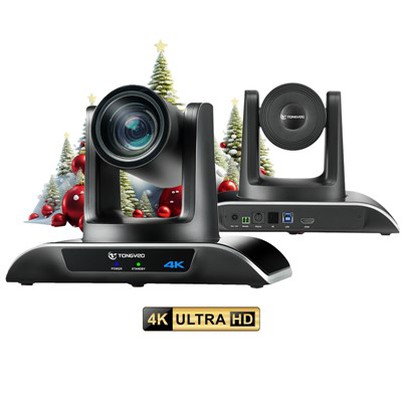
- 4K AI Livestreaming PTZ Camera: This camera is a great choice for high - quality video conferencing and live streaming. With 4K resolution and AI features, it can automatically track participants and provide sharp, clear images. You can learn more about it here.
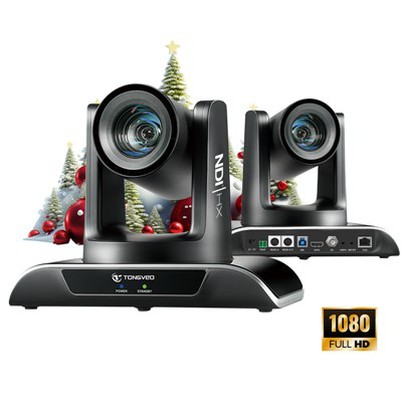
- 1080p HD Camera for Video Conference: If you're on a budget or don't require 4K resolution, our 1080p HD camera is a reliable option. It offers good image quality and is easy to set up. Check out the details here.
- ptz 1080p hd camera systems for churches streaming: For specific applications like church streaming, our PTZ 1080p HD camera systems are designed to provide smooth panning, tilting, and zooming capabilities. More information can be found here.
3. Physical Installation
Once you've chosen the right camera, it's time to install it physically.
- Mounting: If your camera comes with a mounting bracket, follow the manufacturer's instructions to attach it securely to the chosen location. For wall - mounted cameras, use appropriate screws and anchors to ensure stability. If you're placing the camera on a stand, make sure it's balanced and won't tip over easily.
- Cable Management: Keep the cables organized to avoid a messy setup. Use cable ties or cable management boxes to bundle the power cable, HDMI cable (if applicable), and any other connection cables. This not only looks neater but also reduces the risk of tripping hazards.
4. Connecting the Camera
Connecting the conference camera to your devices is a critical step.
- Computer Connection: If you're using the camera with a computer, most modern cameras support USB connections. Simply plug the USB cable from the camera into an available USB port on your computer. The computer should automatically detect the camera and install the necessary drivers. In some cases, you may need to download the latest drivers from the manufacturer's website.
- Video Conferencing System: If you're using a dedicated video conferencing system, connect the camera to the system using the appropriate cables. This may involve an HDMI or SDI connection. Refer to the user manual of your video conferencing system for detailed instructions on how to connect the camera.
5. Configuring the Camera Settings
After connecting the camera, you need to configure its settings.
- Resolution and Frame Rate: Set the resolution and frame rate according to your requirements. Higher resolutions like 4K provide better image quality but may require more bandwidth. For most standard video conferences, 1080p at 30 frames per second is sufficient. You can usually adjust these settings through the camera's software or the video conferencing application.
- Focus and Zoom: Some cameras have auto - focus capabilities, while others allow you to manually adjust the focus. Make sure the camera is focused on the participants. If your camera has a zoom function, you can use it to get a closer view of specific areas or individuals.
- Color and White Balance: Adjust the color and white balance settings to ensure natural - looking images. You can usually choose from preset modes such as "Auto", "Indoor", or "Outdoor", or make manual adjustments if needed.
6. Testing the Setup
Before your first important meeting, it's essential to test the setup.
- Video Quality: Launch a video conferencing application and check the video quality. Look for any issues such as blurry images, pixelation, or color distortion. If you notice any problems, go back and adjust the camera settings or check the connections.
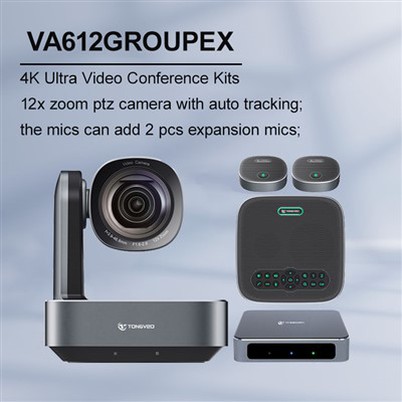
- Audio: Most conference cameras come with built - in microphones, but you may also use external microphones for better audio quality. Test the audio by speaking into the microphone and having someone on the other end of the call confirm that they can hear you clearly.
- Camera Movement (if applicable): If you're using a PTZ camera, test the panning, tilting, and zooming functions. Make sure the camera moves smoothly and accurately.
7. Troubleshooting Common Issues
Even with careful setup, you may encounter some issues.


- No Image or Audio: Check the connections to ensure that all cables are properly plugged in. Make sure the camera is powered on and that the software or application is detecting the camera. If the problem persists, try restarting the camera, the computer, and the video conferencing application.
- Poor Image Quality: This could be due to low lighting, incorrect resolution settings, or a problem with the camera lens. Adjust the lighting, check the resolution settings, and clean the lens if necessary.
- Camera Not Moving (PTZ): If your PTZ camera is not moving, check the power supply and the control settings. Make sure the camera is set to the correct control mode and that the control software is functioning properly.
8. Maintenance and Upkeep
To ensure the long - term performance of your conference camera, regular maintenance is required.
- Cleaning: Clean the camera lens regularly using a soft, lint - free cloth. Avoid using abrasive materials that could scratch the lens. You can also clean the body of the camera to remove dust and dirt.
- Software Updates: Keep the camera's software up to date. Manufacturers often release updates to improve performance, add new features, and fix bugs. Check the manufacturer's website periodically for the latest software updates.
Contact for Purchase and Consultation
If you're interested in purchasing a conference camera or need further assistance with setting up your camera, we're here to help. Our team of experts can provide you with personalized advice based on your specific needs. Whether you're setting up a small meeting room or a large conference hall, we have the right solutions for you.
References
- Manufacturer's user manuals for conference cameras
- Video conferencing application user guides
- Industry best practices for video conferencing setup