How to test the functionality of an IP PTZ camera before installation?
Leave a message

As a supplier of IP PTZ cameras, ensuring the functionality of these devices before installation is crucial. This not only helps to avoid potential issues during and after the installation process but also guarantees customer satisfaction. In this blog, I will share some comprehensive steps on how to test the functionality of an IP PTZ camera before installation.
1. Visual Inspection
The first step in testing an IP PTZ camera is a thorough visual inspection. This involves checking the physical condition of the camera, its housing, and all the associated components. Look for any signs of damage, such as cracks, dents, or scratches on the camera body. These could potentially affect the camera's performance or its ability to withstand environmental conditions.
Inspect the lens for any smudges, dust, or scratches. A dirty or damaged lens can significantly degrade the image quality. Clean the lens gently using a microfiber cloth if necessary. Check the pan, tilt, and zoom (PTZ) mechanisms for any visible signs of misalignment or looseness. Make sure that all the cables and connectors are intact and free from any damage. A damaged cable can lead to connectivity issues or power problems.
2. Power and Connectivity Testing
Once the visual inspection is complete, it's time to test the power and connectivity of the IP PTZ camera. Connect the camera to a power source using the appropriate power adapter. Most IP PTZ cameras support Power over Ethernet (PoE), which simplifies the installation process by allowing both power and data to be transmitted over a single Ethernet cable. If your camera supports PoE, connect it to a PoE switch or injector.
After connecting the power, check if the camera powers on. The camera's status indicator lights should illuminate, indicating that it has received power. If the camera does not power on, check the power source, the power adapter, and the connections. Make sure that the power supply voltage matches the camera's requirements.
Next, test the network connectivity. Connect the camera to your local network using an Ethernet cable. You can use a network analyzer or a simple ping test to check if the camera is accessible on the network. Open a web browser on a computer connected to the same network and enter the camera's IP address. If the camera is properly connected and configured, you should be able to access the camera's web interface.
3. Image Quality Testing
The image quality is one of the most important aspects of an IP PTZ camera. To test the image quality, place the camera in a well - lit area with a variety of objects in the field of view. Log in to the camera's web interface and access the live video feed. Check the image for sharpness, color accuracy, and contrast. The image should be clear and free from any blurring or distortion.
Test the camera's low - light performance by reducing the lighting in the area. A good IP PTZ camera should be able to produce a clear image even in low - light conditions. Some cameras are equipped with features such as infrared (IR) illumination or low - light enhancement technology. Check if these features are working properly by observing the image in low - light conditions.
Zoom in and out using the PTZ controls on the web interface. The zoom function should be smooth and the image should remain sharp throughout the zoom range. Test the pan and tilt functions as well. The camera should be able to pan and tilt smoothly without any jerks or stuttering. Make sure that the camera can cover the entire area as specified in its specifications.
4. PTZ Functionality Testing
The PTZ functionality is what sets IP PTZ cameras apart from fixed - position cameras. To test the pan and tilt functions, use the on - screen controls on the camera's web interface or a compatible PTZ controller. Set the camera to pan left and right, and tilt up and down. The movement should be smooth and the camera should be able to reach the maximum pan and tilt angles as specified in the product documentation.
Test the speed settings of the pan and tilt functions. Most IP PTZ cameras allow you to adjust the speed of the movement. Try different speed settings to ensure that the camera can move at the desired speed. Check if the camera can stop accurately at the desired position. Some cameras support presets, which allow you to save specific pan, tilt, and zoom positions. Test the preset functionality by setting up a few presets and then recalling them. The camera should move directly to the saved positions.
5. Remote Access and Control Testing
In today's connected world, remote access and control of IP PTZ cameras are essential. To test the remote access functionality, configure the camera for remote access using a Dynamic DNS (DDNS) service or port forwarding on your router. This will allow you to access the camera from outside your local network.
Download the camera's mobile app or use a web browser on a mobile device to access the camera remotely. Check if you can view the live video feed, control the PTZ functions, and access other features of the camera from the mobile device. Make sure that the connection is stable and there is no significant lag in the video feed or the control responses.
6. Audio Testing (if applicable)
Some IP PTZ cameras are equipped with audio capabilities. If your camera has an audio input or output, test the audio functionality. Connect a microphone to the camera's audio input and speak into it. Log in to the camera's web interface and check if you can hear your voice in the audio feed. Adjust the audio volume settings if necessary.
If the camera has an audio output, connect a speaker to the audio output port and play some audio through the camera. Check if the audio is clear and there are no distortions or background noises.
7. Integration Testing (if applicable)
If you plan to integrate the IP PTZ camera with other systems such as a video management system (VMS) or a security system, it's important to test the integration before installation. Install the VMS software on a computer and add the IP PTZ camera to the system. Check if the camera can be detected and configured properly in the VMS.
Test the PTZ controls and the video playback functionality within the VMS. Make sure that the camera's features, such as presets and motion detection, can be controlled and monitored through the VMS. If you are integrating the camera with a security system, test the alarm triggering and notification functions.


8. Firmware and Software Testing
Check the camera's firmware version and make sure that it is up - to - date. Outdated firmware can cause compatibility issues and may affect the camera's performance. Log in to the camera's web interface and navigate to the firmware update section. If an update is available, follow the instructions provided by the manufacturer to update the firmware.
Test the camera's software features such as motion detection, event recording, and scheduled recording. Configure the motion detection settings and place an object in the field of view to trigger the motion detection. Check if the camera records the event and sends notifications as configured. Test the scheduled recording function by setting up a recording schedule and checking if the camera records the video as per the schedule.
Conclusion
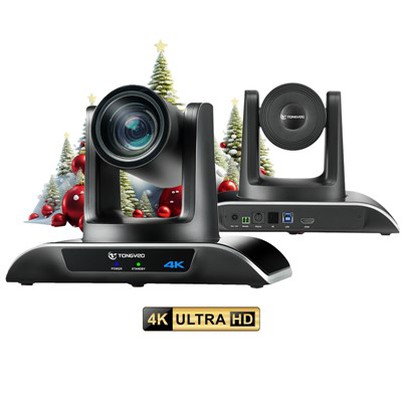
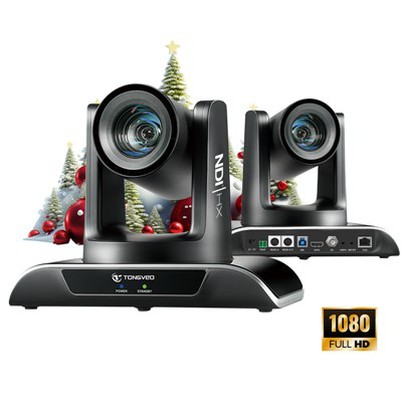
Testing the functionality of an IP PTZ camera before installation is a crucial step in ensuring its proper operation and customer satisfaction. By following the steps outlined in this blog, you can identify and resolve any potential issues before the camera is installed. At our company, we offer a wide range of high - quality IP PTZ cameras, such as the PTZ IP Conference Room Camera, FHD IP HDMI USB3.0 PTZ Video Conferencing Camera with 20x Optical Zoom for Church, and High - Definition 30x Zoom HDMI SDI IP Conference Camera for Large Conference Rooms.
If you are interested in purchasing our IP PTZ cameras or have any questions about the testing process, please feel free to contact us for further discussion and procurement. We are committed to providing you with the best products and services.
References
- Camera manufacturer's product documentation
- Industry standards and guidelines for IP camera testing