How to set up multiple FHD IP Conference Cameras for a panoramic view?
Leave a message

In today's dynamic business landscape, effective communication is the cornerstone of success. As a leading FHD IP Conference Camera supplier, we understand the pivotal role that high-quality visual communication plays in modern conferences. Setting up multiple FHD IP Conference Cameras for a panoramic view can significantly enhance the meeting experience, allowing participants to feel more engaged and connected. This blog post will guide you through the process of setting up multiple FHD IP Conference Cameras for a panoramic view, from planning and installation to configuration and optimization.
Planning Your Panoramic Camera Setup
Before you start installing your cameras, it's essential to plan your setup carefully. Consider the following factors:
Room Layout and Size
The size and layout of your conference room will determine the number and placement of cameras needed for a panoramic view. Measure the dimensions of the room and identify any obstacles or areas that require special attention. For larger rooms, you may need more cameras to cover the entire space effectively.
Camera Placement
Strategic camera placement is crucial for achieving a seamless panoramic view. Place cameras at different angles and heights to capture a comprehensive view of the room. Avoid placing cameras too close together, as this can result in overlapping views and reduce the overall quality of the panoramic image.
Lighting Conditions
Proper lighting is essential for clear and sharp video quality. Evaluate the lighting conditions in your conference room and make adjustments as needed. Avoid placing cameras directly in front of bright light sources, as this can cause glare and overexposure. Consider using additional lighting fixtures to supplement natural light and ensure even illumination throughout the room.
Selecting the Right FHD IP Conference Cameras
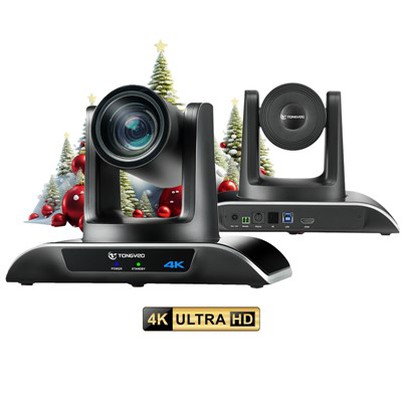
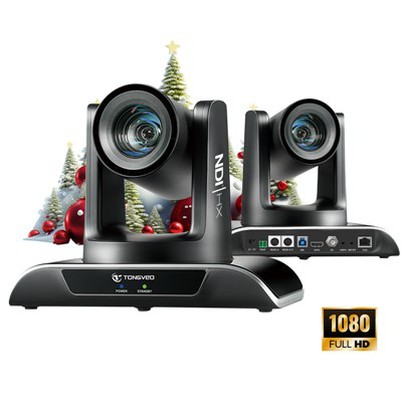
Choosing the right cameras is essential for achieving a high-quality panoramic view. As a FHD IP Conference Camera supplier, we offer a wide range of cameras to meet your specific needs. Here are some key features to consider when selecting cameras:
Resolution
Full HD (1920 x 1080) resolution is the standard for high-quality video conferencing. Look for cameras that offer at least 1080p resolution to ensure clear and sharp images.
Field of View
The field of view (FOV) determines the width and height of the area captured by the camera. For a panoramic view, choose cameras with a wide FOV, such as Wide Angle Conference Camera.


Pan, Tilt, and Zoom (PTZ) Functionality
PTZ cameras allow you to adjust the camera's position, angle, and zoom level remotely. This feature is particularly useful for capturing different areas of the room and focusing on specific participants. Consider using PTZ IP Conference Room Camera for greater flexibility and control.
Image Quality and Low-Light Performance
Look for cameras that offer excellent image quality and low-light performance. This ensures clear and sharp images even in challenging lighting conditions. Cameras with advanced image processing technology and low-noise sensors are ideal for high-quality video conferencing.
Installing Your FHD IP Conference Cameras
Once you have planned your setup and selected the right cameras, it's time to install them. Follow these steps for a successful installation:
Mounting the Cameras
Mount cameras securely on walls, ceilings, or tripods using the appropriate mounting hardware. Ensure that cameras are positioned at the desired height and angle for optimal coverage.
Connecting the Cameras
Connect cameras to your network using Ethernet cables. Ensure that cameras are connected to a reliable network with sufficient bandwidth to support high-quality video streaming.
Powering the Cameras
Power cameras using Power over Ethernet (PoE) technology or separate power adapters. Ensure that cameras are powered on and functioning properly before proceeding with the configuration.
Configuring Your FHD IP Conference Cameras
After installing your cameras, you need to configure them to work together for a panoramic view. Follow these steps to configure your cameras:
Camera Setup
Access the camera's web interface using a web browser and enter the camera's IP address. Follow the on-screen instructions to set up the camera's basic settings, such as network configuration, time and date, and image settings.
Panoramic View Configuration
Most FHD IP Conference Cameras support panoramic view functionality. Configure the cameras to work together for a panoramic view by adjusting the camera's position, angle, and zoom level. Use the camera's PTZ controls or the web interface to make these adjustments.
Video Streaming Configuration
Configure the cameras to stream video to your video conferencing system or server. Follow the instructions provided by your video conferencing system or server to set up the video streaming settings.
Optimizing Your Panoramic Camera Setup
Once you have set up and configured your cameras, it's time to optimize your panoramic camera setup for the best performance. Here are some tips to help you optimize your setup:
Camera Calibration
Calibrate cameras to ensure that they are aligned correctly and provide a seamless panoramic view. Use the camera's calibration tools or the web interface to adjust the camera's position, angle, and zoom level.
Image Enhancement
Enhance the image quality of your panoramic view by adjusting the camera's image settings, such as brightness, contrast, saturation, and sharpness. Use the camera's image enhancement tools or the web interface to make these adjustments.
Bandwidth Management
Manage your network bandwidth effectively to ensure smooth and uninterrupted video streaming. Monitor your network traffic and adjust the camera's video streaming settings as needed to optimize bandwidth usage.
Conclusion
Setting up multiple FHD IP Conference Cameras for a panoramic view can significantly enhance the meeting experience and improve communication in your conference room. By following the steps outlined in this blog post, you can plan, install, configure, and optimize your panoramic camera setup for the best performance. As a FHD IP Conference Camera supplier, we are committed to providing high-quality cameras and excellent customer support. If you have any questions or need assistance with setting up your panoramic camera setup, please contact us. We look forward to helping you achieve a seamless and engaging video conferencing experience.
References
- Cisco Webex. (2023). Best Practices for Video Conferencing Camera Setup. Retrieved from https://www.webex.com
- Poly. (2023). How to Set Up a Video Conferencing System. Retrieved from https://www.poly.com
- Logitech. (2023). Video Conferencing Camera Buying Guide. Retrieved from https://www.logitech.com