How to adjust the exposure of FHD IP Conference Camera?
Leave a message

As a supplier of FHD IP Conference Cameras, I understand the importance of achieving the perfect exposure in video conferencing. Proper exposure ensures that your participants can clearly see the presenters, the content being shared, and the overall environment of the meeting room. In this blog post, I'll guide you through the process of adjusting the exposure of your FHD IP Conference Camera, helping you to enhance the quality of your video conferences.
Understanding Exposure in FHD IP Conference Cameras
Before we delve into the adjustment process, it's essential to understand what exposure means in the context of a camera. Exposure refers to the amount of light that reaches the camera's image sensor. A well - exposed image has a good balance of light and dark areas, with clear details and natural colors. In a video conferencing scenario, incorrect exposure can lead to issues such as overexposed subjects (appearing too bright and losing details) or underexposed subjects (appearing too dark and difficult to see).
The exposure of an FHD IP Conference Camera is primarily controlled by three factors: aperture, shutter speed, and ISO.
- Aperture: This is the opening in the camera lens through which light passes. A larger aperture (smaller f - number) allows more light to enter the camera, which can be useful in low - light situations. However, a large aperture also results in a shallower depth of field, meaning that only a small part of the image will be in sharp focus.
- Shutter Speed: It determines the length of time the camera's sensor is exposed to light. A faster shutter speed freezes motion but may require more light to achieve proper exposure. Conversely, a slower shutter speed allows more light in but can cause motion blur if the subject is moving.
- ISO: ISO measures the sensitivity of the camera's sensor to light. A higher ISO setting makes the sensor more sensitive, which is beneficial in low - light conditions. However, increasing the ISO also introduces more noise (grainy appearance) in the image.
Automatic Exposure Settings
Most FHD IP Conference Cameras come with automatic exposure (AE) settings. These settings are designed to analyze the scene and adjust the aperture, shutter speed, and ISO automatically to achieve a well - exposed image.
To use the automatic exposure feature:
- Locate the AE button or option in the camera's menu. This can usually be found in the settings or configuration section.
- Once you've enabled AE, the camera will continuously monitor the lighting conditions and make real - time adjustments.
- Keep in mind that while automatic exposure is convenient, it may not always produce the best results, especially in complex lighting situations. For example, if there is a bright window behind the subject, the camera may overexpose the background and underexpose the subject.
Manual Exposure Adjustment
For more precise control over the exposure, you can switch to manual exposure mode. Here's how to do it:
Adjusting Aperture
- Enter the camera's menu and find the aperture adjustment option. Some cameras may have a dedicated button for aperture control.
- If you're in a well - lit room and want to have a large depth of field (more of the image in focus), select a smaller aperture (larger f - number). For example, f/8 or f/11.
- In low - light situations, you may need to increase the aperture (smaller f - number) to allow more light in. However, be aware of the potential for a shallower depth of field.
Adjusting Shutter Speed
- Locate the shutter speed adjustment option in the camera's menu.
- If the subjects in your video conference are stationary, you can use a slower shutter speed to allow more light in. A good starting point is 1/30 or 1/60 of a second.
- If there is a lot of movement in the scene, such as people walking around, you'll need to increase the shutter speed to prevent motion blur. Try setting it to 1/125 or 1/250 of a second.
Adjusting ISO
- Find the ISO adjustment option in the camera's menu.
- Start with a low ISO setting, such as 100 or 200, in well - lit environments. This will result in a cleaner, less noisy image.
- As the light levels decrease, gradually increase the ISO. However, be cautious not to set it too high, as this will introduce more noise into the image.
Tips for Achieving Optimal Exposure
- Use Diffused Lighting: Avoid direct sunlight or harsh artificial light, as these can create strong contrasts and make it difficult for the camera to achieve proper exposure. Instead, use diffused lighting sources, such as softbox lights or diffuser panels, to create a more even and flattering light.
- Position the Camera Correctly: Ensure that the camera is pointed at the subject and that there are no bright light sources in the background. If possible, use backlighting or side lighting to add depth and dimension to the image.
- Calibrate the Camera Regularly: Over time, the camera's exposure settings may need to be recalibrated, especially if the lighting conditions in the conference room change. Refer to the camera's user manual for instructions on how to perform a calibration.
Our Product Recommendations
At our company, we offer a range of high - quality FHD IP Conference Cameras to meet your needs.
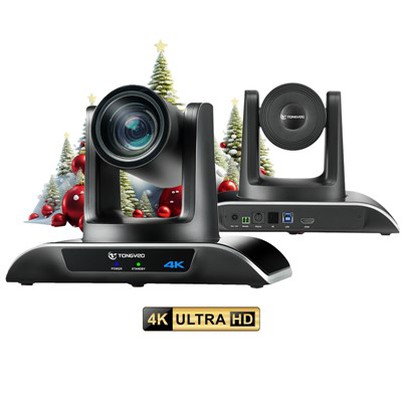
The PTZ IP Conference Room Camera is a great choice for large conference rooms. It features pan, tilt, and zoom capabilities, allowing you to easily adjust the camera's view. With advanced exposure control algorithms, it can quickly adapt to different lighting conditions and ensure a well - exposed image.
The Wide Angle Conference Camera is ideal for smaller meeting spaces or when you need to capture a wider field of view. Its wide - angle lens provides a broader perspective, and the automatic exposure settings work well to balance the light across the entire scene.


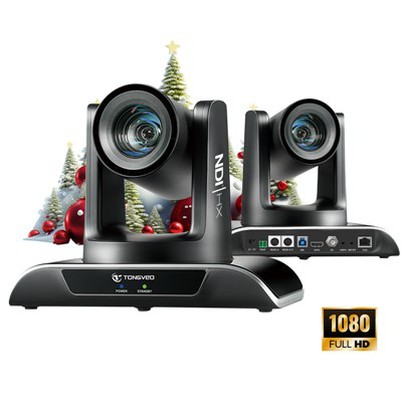
If you're looking for a camera with multiple connectivity options, the Wide Angle IP HDMI SDI USB PTZ Conference Room Camera is a top - notch option. It supports HDMI, SDI, and USB connections, making it compatible with a variety of video conferencing systems. And its exposure adjustment features are designed to deliver clear and sharp images in any lighting environment.
Contact Us for Procurement
If you're interested in purchasing our FHD IP Conference Cameras or have any questions about exposure adjustment or our products in general, we'd love to hear from you. Our team of experts is ready to assist you in finding the right camera for your specific requirements and providing you with the best solutions for your video conferencing needs.
References
- "Digital Photography: From Snapshots to Great Shots" by Jim Miotke.
- Camera user manuals provided by the manufacturers.