How to set up motion - triggered recording on an IP PTZ camera?
Leave a message

Motion-triggered recording on an IP PTZ (Pan-Tilt-Zoom) camera is a powerful feature that can significantly enhance the efficiency and effectiveness of your surveillance or monitoring system. As a leading supplier of IP PTZ cameras, I'm here to guide you through the process of setting up motion-triggered recording on your device.
Understanding the Basics of Motion-Triggered Recording
Before we dive into the setup process, it's essential to understand what motion-triggered recording is and why it's beneficial. Motion-triggered recording is a function that allows your IP PTZ camera to start recording only when it detects motion within its field of view. This feature helps to save storage space by eliminating the need to record hours of static footage. It also ensures that you capture only the most relevant and important moments, making it easier to review and analyze the footage when needed.
Prerequisites for Setting Up Motion-Triggered Recording
To set up motion-triggered recording on your IP PTZ camera, you'll need the following:
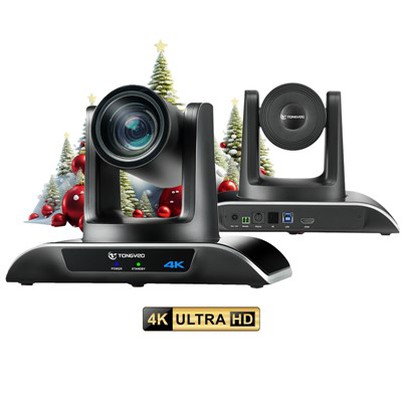
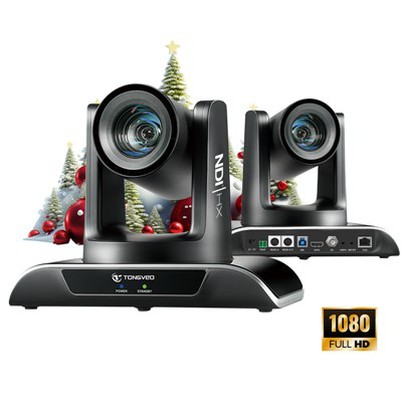
- An IP PTZ Camera: Ensure that your camera supports motion detection and recording features. Our company offers a wide range of high-quality IP PTZ cameras, including the PTZ IP Conference Room Camera, Wide Angle Conference Camera, and High-Definition 30x Zoom HDMI SDI IP Conference Camera for Large Conference Rooms.
- A Stable Network Connection: Your camera needs to be connected to a reliable network to transmit the recorded footage. Make sure your network has sufficient bandwidth to handle the camera's data transfer requirements.
- A Storage Device: You'll need a storage device to save the recorded footage. This can be a local hard drive, a network-attached storage (NAS) device, or a cloud storage service.
Step-by-Step Guide to Setting Up Motion-Triggered Recording
Now that you have everything you need, let's walk through the process of setting up motion-triggered recording on your IP PTZ camera:
Step 1: Access the Camera's Web Interface
To configure the motion detection and recording settings, you'll need to access the camera's web interface. Open a web browser on your computer and enter the camera's IP address in the address bar. You'll be prompted to enter your username and password. If you're using the camera for the first time, the default username and password are usually "admin" and "admin."
Step 2: Navigate to the Motion Detection Settings
Once you're logged in to the camera's web interface, navigate to the motion detection settings. The location of these settings may vary depending on the camera model, but they're usually found under the "Settings" or "Configuration" menu.
Step 3: Enable Motion Detection
In the motion detection settings, enable the motion detection feature. You may need to adjust the sensitivity level to ensure that the camera detects motion accurately. A higher sensitivity level will make the camera more responsive to even minor movements, while a lower sensitivity level will reduce false alarms.
Step 4: Define the Detection Area
Most IP PTZ cameras allow you to define the specific areas within the camera's field of view where you want motion detection to be active. This feature is useful if you only want to monitor certain parts of the scene. Use the camera's web interface to draw a detection area on the live video feed.
Step 5: Configure the Recording Settings
Next, configure the recording settings for the motion-triggered events. You can choose to record continuously when motion is detected, or you can set a specific recording duration. You can also specify the storage location for the recorded footage, such as a local hard drive or a cloud storage service.
Step 6: Set Up Alerts (Optional)
Many IP PTZ cameras support alert notifications when motion is detected. You can configure the camera to send an email, a push notification, or an SMS message to your mobile device when motion is detected. This feature allows you to stay informed about any activity in the monitored area, even when you're not physically present.
Step 7: Test the Motion Detection and Recording
Once you've configured all the settings, it's time to test the motion detection and recording functionality. Walk around in the detection area and observe if the camera starts recording. Check the storage device to ensure that the recorded footage is being saved correctly.
Troubleshooting Common Issues
If you encounter any issues during the setup process or while using the motion-triggered recording feature, here are some common problems and their solutions:
- False Alarms: If the camera is triggering false alarms, try adjusting the sensitivity level or the detection area. You can also check for any sources of interference, such as moving objects outside the detection area or reflections on the camera lens.
- No Recording: If the camera is detecting motion but not recording, check the recording settings to ensure that they're configured correctly. Make sure that the storage device has enough space to save the recorded footage.
- Poor Video Quality: If the recorded video quality is poor, check the camera's resolution and frame rate settings. You may also need to adjust the lighting conditions in the monitored area to improve the video quality.
Conclusion
Setting up motion-triggered recording on an IP PTZ camera is a straightforward process that can greatly enhance the functionality and efficiency of your surveillance or monitoring system. By following the steps outlined in this guide, you can easily configure your camera to start recording only when motion is detected, saving storage space and ensuring that you capture the most important moments.


If you're interested in purchasing an IP PTZ camera or have any questions about setting up motion-triggered recording, please don't hesitate to contact us. Our team of experts is always ready to assist you with your needs.
References
- Manufacturer's documentation for IP PTZ cameras
- Online resources and forums for IP camera configuration and troubleshooting