How to share the video from a PC conference camera with others?
Leave a message

Sharing videos from a PC conference camera with others is a crucial aspect of modern communication, especially in the era of remote work and virtual meetings. As a supplier of PC conference cameras, I understand the significance of seamless video sharing and the challenges that users may encounter. In this blog post, I will guide you through the process of sharing videos from a PC conference camera with others, providing you with practical tips and solutions.
1. Choose the Right PC Conference Camera
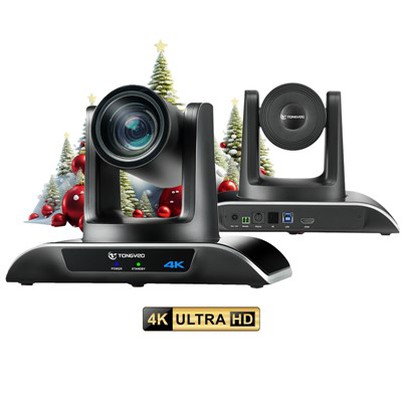
The first step in sharing videos effectively is to select a high - quality PC conference camera. Our Professional Video Conferencing Camera is designed to deliver crystal - clear video quality, wide - angle views, and excellent low - light performance. It is equipped with advanced features such as autofocus and noise reduction, ensuring that your videos look and sound great.
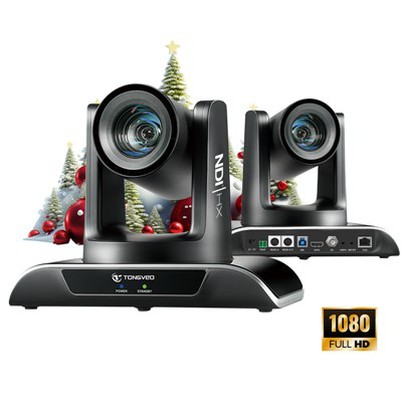
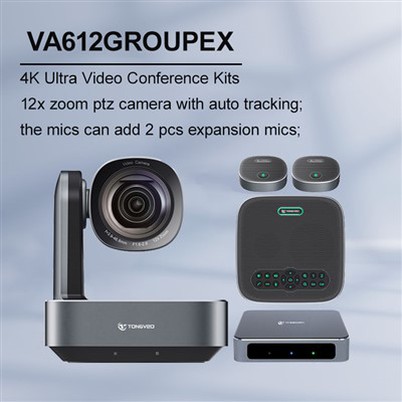
If you are using the camera in a conference room, our Conference Room Zoom Camera is an ideal choice. It offers powerful zoom capabilities, allowing you to focus on specific areas or individuals in the room. This is particularly useful for large - scale meetings or presentations.
For those in the religious community, our USB ptz conferencing hd camera for church provides high - definition video capture with pan, tilt, and zoom functions. It can be easily integrated into your church's existing setup for live streaming services.
2. Connect the Camera to Your PC
Once you have chosen the right camera, the next step is to connect it to your PC. Most PC conference cameras come with a USB cable for easy connection. Simply plug the USB end of the cable into an available USB port on your computer.
After connecting the camera, your PC should automatically detect the device. In some cases, you may need to install the camera's drivers. You can usually find the drivers on the manufacturer's website. Download and install them following the provided instructions. Once the drivers are installed, you can test the camera by opening a video - conferencing application or a camera - testing tool.
3. Configure the Camera Settings
Before sharing the video, it is important to configure the camera settings to ensure optimal performance. Open the video - conferencing application you plan to use, such as Zoom, Microsoft Teams, or Skype. Navigate to the settings menu and look for the "Video" or "Camera" option.
Here, you can select your PC conference camera as the video source. You may also adjust settings such as resolution, frame rate, and focus. Higher resolutions like 1080p or 4K will provide sharper images, but they may require a faster internet connection. A frame rate of 30fps or higher is recommended for smooth video playback.
4. Sharing the Video in Different Scenarios
Video Conferencing Applications
Most video - conferencing applications have built - in features for sharing your camera feed. In Zoom, for example, once you are in a meeting, click on the "Start Video" button to turn on your camera. Your video will be visible to all participants in the meeting. If you want to share a specific area of the camera's view, you can use the camera's zoom or pan/tilt functions if available.
In Microsoft Teams, click on the camera icon to start your video. You can also use the "More options" menu to adjust camera settings or share your screen in addition to the camera feed.
Social Media and Live Streaming
If you want to share the video from your PC conference camera on social media platforms or for live streaming, you will need to use a streaming software such as OBS (Open Broadcaster Software) or XSplit.
First, connect your PC conference camera to the streaming software. In OBS, go to the "Sources" section and click on the "+" button. Select "Video Capture Device" and choose your camera from the list. Adjust the settings such as resolution and frame rate according to the requirements of the platform you are streaming to.
Once the camera is set up in the streaming software, you can configure the streaming settings for the specific platform. For example, if you are streaming to YouTube, you will need to connect your YouTube account to the streaming software and enter the appropriate stream key. Then, click on the "Start Streaming" button to begin sharing your video with your audience.


5. Troubleshooting Common Issues
Sometimes, you may encounter issues when sharing videos from your PC conference camera. Here are some common problems and their solutions:
Poor Video Quality
If the video quality is poor, check your internet connection. A slow or unstable connection can cause buffering and pixelation. Try closing other bandwidth - intensive applications or switching to a wired connection if possible.
Also, make sure that the camera settings are configured correctly. Adjust the resolution and frame rate to a level that your internet connection can support.
Camera Not Detected
If your PC does not detect the camera, check the USB connection. Make sure the cable is properly plugged in and there are no loose connections. Try plugging the camera into a different USB port. If the problem persists, reinstall the camera drivers.
Audio Issues
If there is no audio or the audio quality is poor, check the microphone settings in your video - conferencing application. Make sure the correct microphone is selected. Some PC conference cameras come with built - in microphones, while others may require an external microphone.
6. Contact Us for More Information
As a leading supplier of PC conference cameras, we are committed to providing you with the best products and support. If you have any questions about our cameras, need assistance with video sharing, or are interested in purchasing our products, please feel free to contact us. Our team of experts is ready to help you find the perfect solution for your needs.
References
- Zoom Help Center. (n.d.). Using video in Zoom meetings. Retrieved from [Zoom official website]
- Microsoft Teams Support. (n.d.). Start or stop your video in Teams. Retrieved from [Microsoft Teams official website]
- OBS Studio Documentation. (n.d.). Getting started with OBS Studio. Retrieved from [OBS official website]