How to pair a wireless video conference camera with a device?
Leave a message

Pairing a wireless video conference camera with a device is a crucial step in setting up an efficient video conferencing system. As a leading supplier of high - quality video conference cameras, I understand the importance of a seamless pairing process. In this blog, I'll guide you through the steps to pair a wireless video conference camera with your device, ensuring that you can enjoy smooth and high - definition video conferencing experiences.
Understanding the Basics of Wireless Video Conference Cameras
Before we dive into the pairing process, it's essential to understand the basics of wireless video conference cameras. These cameras use wireless technologies such as Wi - Fi or Bluetooth to connect to your devices, eliminating the need for cumbersome cables. They offer greater flexibility in terms of placement and can be easily moved around the conference room.
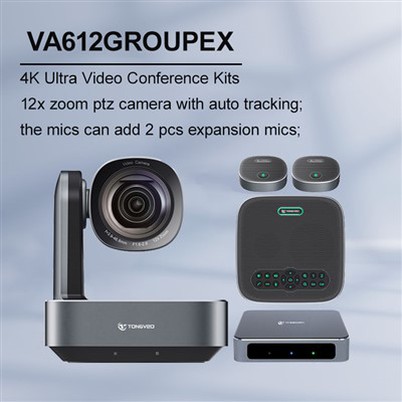
Our company offers a wide range of wireless video conference cameras, including the USB 3.0 Video Conference Camera, which provides high - speed data transfer and excellent video quality. The Conference Camera For Tv is another popular option, designed specifically for use with televisions, allowing you to turn your TV into a powerful video conferencing display. And for those looking for a comprehensive solution, our All in One Audio Video Conference Room System combines the camera, audio equipment, and other components into a single, easy - to - use system.
Preparing Your Devices
The first step in pairing a wireless video conference camera with a device is to prepare both the camera and the device.


Camera Preparation
- Charge the Camera: Ensure that your wireless video conference camera is fully charged. A low - battery camera may cause connection issues or disrupt the video conferencing session.
- Update the Firmware: Check if there are any firmware updates available for your camera. Updating the firmware can improve the camera's performance, add new features, and enhance its compatibility with different devices. You can usually find firmware updates on the manufacturer's website.
- Reset the Camera: If you've previously paired the camera with another device, it's a good idea to reset it to its factory settings. This can be done by following the instructions in the camera's user manual.
Device Preparation
- Check Compatibility: Make sure that your device (such as a laptop, tablet, or smartphone) is compatible with the wireless video conference camera. Check the camera's product specifications or the manufacturer's website for a list of compatible devices.
- Update the Device's Operating System: Keeping your device's operating system up - to - date can improve its performance and compatibility with the camera. Check for software updates in your device's settings and install any available updates.
- Enable Wireless Connectivity: On your device, enable the appropriate wireless connectivity option (Wi - Fi or Bluetooth) that your camera uses. You can usually find the wireless settings in your device's settings menu.
Pairing the Camera with Your Device
Pairing via Wi - Fi
- Power on the Camera: Turn on your wireless video conference camera and wait for it to boot up. The camera will usually enter a pairing mode automatically or you may need to press a specific button to activate it.
- Connect to the Camera's Wi - Fi Network: On your device, go to the Wi - Fi settings and look for the camera's Wi - Fi network. The network name (SSID) is usually printed on the camera or in the user manual. Enter the password if required.
- Open the Camera's App or Software: Once connected to the camera's Wi - Fi network, open the camera's dedicated app or software on your device. If you don't have the app, you can usually download it from the app store (for smartphones and tablets) or the manufacturer's website (for laptops).
- Follow the On - Screen Instructions: The app or software will guide you through the remaining pairing process. This may include entering a verification code, setting up the camera's preferences, and testing the camera's functionality.
Pairing via Bluetooth
- Power on the Camera: Similar to the Wi - Fi pairing process, turn on your wireless video conference camera and put it in pairing mode.
- Enable Bluetooth on Your Device: On your device, go to the Bluetooth settings and turn on Bluetooth. The device will start searching for nearby Bluetooth devices.
- Select the Camera: When your device detects the wireless video conference camera, select it from the list of available devices. If a passkey is required, enter the passkey provided in the camera's user manual.
- Complete the Pairing: Once the device has successfully paired with the camera, you may need to open the camera's app or software to configure the camera's settings and test its functionality.
Troubleshooting Pairing Issues
Sometimes, you may encounter issues when pairing your wireless video conference camera with a device. Here are some common problems and their solutions:
No Connection
- Check the Power: Make sure that both the camera and the device are powered on and have enough battery life.
- Check the Wireless Settings: Ensure that the wireless connectivity option (Wi - Fi or Bluetooth) is enabled on both the camera and the device. Also, check if there are any interference sources (such as other wireless devices) that may be affecting the connection.
- Restart the Devices: Try restarting both the camera and the device. This can often resolve minor connectivity issues.
Poor Video Quality
- Check the Camera's Placement: Make sure that the camera is placed in a well - lit area and is facing the participants. Avoid placing the camera near bright lights or in direct sunlight, as this can cause overexposure or glare.
- Check the Network Speed: If you're using Wi - Fi, check the network speed on your device. A slow network speed can result in poor video quality. You can try moving your device closer to the Wi - Fi router or switching to a different network.
Audio Issues
- Check the Audio Settings: Make sure that the audio settings on both the camera and the device are configured correctly. You may need to adjust the volume, microphone sensitivity, or speaker settings.
- Check the Audio Cables: If your camera uses external audio cables, make sure that they are properly connected and not damaged.
Conclusion
Pairing a wireless video conference camera with a device is a relatively straightforward process, but it requires careful preparation and attention to detail. By following the steps outlined in this blog, you can ensure a seamless pairing experience and enjoy high - quality video conferencing.
As a supplier of video conference cameras, we are committed to providing you with the best products and support. If you have any questions about pairing our cameras with your devices or are interested in purchasing our products, please feel free to contact us. We look forward to discussing your video conferencing needs and helping you find the perfect solution for your business.
References
- Manufacturer's user manuals for wireless video conference cameras
- Device's operating system documentation
- Online resources and forums related to video conferencing technology