How to ensure the privacy of video conferences when using a camera?
Leave a message

In the digital age, video conferences have become an integral part of both business and personal communication. As a Video Conference Camera supplier, I understand the paramount importance of privacy in these virtual interactions. With the increasing frequency of video - conferencing, the risk of privacy breaches has also grown. In this blog, I will share some effective ways to ensure the privacy of video conferences when using a camera.
1. Hardware - Level Privacy Measures
Physical Camera Covers
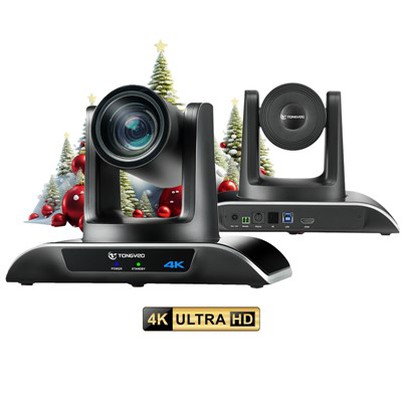
One of the simplest and most effective ways to protect your privacy is by using physical camera covers. These small, inexpensive devices can be easily attached to your video conference camera. When not in use, you can simply slide the cover over the lens, blocking the camera's view. This provides an extra layer of security, ensuring that no one can access your camera without your knowledge. Our Conference Camera For Tv is designed to be compatible with most standard camera covers, allowing you to add this privacy feature with ease.


Secure Installation
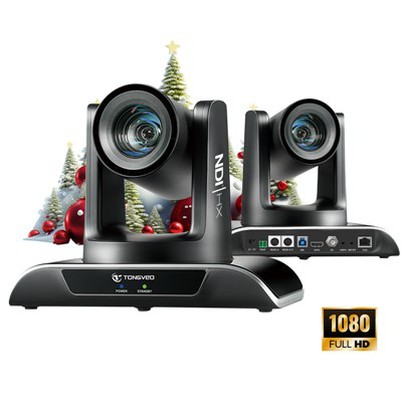
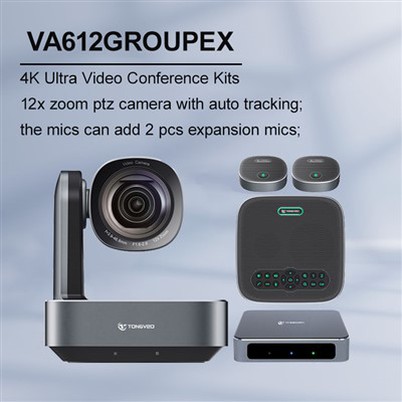
Proper installation of your video conference camera is crucial for privacy. Make sure that the camera is installed in a location where it only captures the necessary area. Avoid placing it in a position where it can accidentally record private spaces, such as personal desks or areas with sensitive information. If you are using our All in One Audio Video Conference Room System, our installation guide provides detailed instructions on how to position the camera for optimal privacy.
2. Software - Level Privacy Measures
Encryption
Encryption is the cornerstone of digital privacy. When choosing a video conference camera, ensure that it supports strong encryption protocols. Encryption scrambles the video and audio data transmitted during the conference, making it unreadable to anyone who intercepts it. Our USB 3.0 Video Conference Camera is equipped with advanced encryption technology, which encrypts the data in real - time, protecting it from unauthorized access.
Software Updates
Regular software updates are essential for maintaining the security of your video conference camera. Camera manufacturers often release updates to fix security vulnerabilities and improve privacy features. By keeping your camera's software up - to - date, you can ensure that you are protected against the latest threats. Set up automatic software updates on your camera to ensure that you never miss an important security patch.
User Authentication
Implementing user authentication measures can prevent unauthorized access to your video conference camera. Use strong passwords and two - factor authentication whenever possible. This way, only authorized users can access the camera and participate in the video conferences. Many video conferencing platforms also offer additional authentication options, such as biometric authentication, which can further enhance security.
3. Network - Level Privacy Measures
Secure Networks
Always use a secure network when conducting video conferences. Avoid using public Wi - Fi networks, as they are often unsecured and vulnerable to eavesdropping. Instead, use a private, password - protected Wi - Fi network or a wired Ethernet connection. If you need to use a public network, consider using a virtual private network (VPN). A VPN encrypts your internet connection, adding an extra layer of security and privacy.
Network Monitoring
Regularly monitor your network for any suspicious activity. Use network monitoring tools to detect unauthorized access attempts or unusual traffic patterns. If you notice any suspicious behavior, take immediate action to secure your network and protect your video conference camera. Some advanced video conferencing systems also offer built - in network monitoring features, which can help you stay on top of your network security.
4. Policy and Training
Privacy Policies
Establish clear privacy policies for your video conferences. These policies should outline who can access the camera, what data is collected, and how it is used. Make sure that all participants in the video conferences are aware of these policies. By setting clear expectations, you can reduce the risk of privacy violations.
Training
Provide training to all users of the video conference camera. Teach them about the importance of privacy and how to use the camera securely. Training should cover topics such as password management, network security, and the proper use of privacy features. Well - trained users are less likely to make mistakes that could compromise the privacy of the video conferences.
5. Third - Party Services
Vet Third - Party Providers
If you are using third - party services in conjunction with your video conference camera, such as cloud storage or video conferencing platforms, make sure to vet them carefully. Research their privacy policies, security measures, and reputation. Choose providers that have a strong track record of protecting user privacy.
Limit Data Sharing
Be cautious about sharing data with third - party services. Only share the necessary data and make sure that you understand how it will be used. Read the terms and conditions carefully before agreeing to any data - sharing arrangements.
In conclusion, ensuring the privacy of video conferences when using a camera requires a multi - faceted approach. By implementing hardware, software, network - level privacy measures, and establishing clear policies and training programs, you can protect the privacy of your video conferences. As a Video Conference Camera supplier, we are committed to providing high - quality cameras with advanced privacy features. If you are interested in purchasing our products or have any questions about video conference camera privacy, we encourage you to contact us for a procurement discussion.
References
- [1] National Institute of Standards and Technology (NIST). "Cybersecurity Framework".
- [2] European Union Agency for Cybersecurity (ENISA). "Guidelines for Secure Video Conferencing".
- [3] International Telecommunication Union (ITU). "Security and Privacy in Multimedia Communication".