How to calibrate an IP PTZ camera?
Leave a message

Calibrating an IP PTZ (Pan-Tilt-Zoom) camera is a crucial process that ensures optimal performance, accurate image capture, and seamless integration into various systems. As a leading IP PTZ camera supplier, we understand the significance of proper calibration and are here to guide you through the steps to achieve the best results.
Understanding the Basics of IP PTZ Cameras
Before delving into the calibration process, it's essential to have a clear understanding of what an IP PTZ camera is and how it functions. An IP PTZ camera is a network-based camera that can pan (move horizontally), tilt (move vertically), and zoom in and out. These cameras are commonly used in security surveillance, video conferencing, and live event streaming due to their flexibility and ability to cover a wide area.
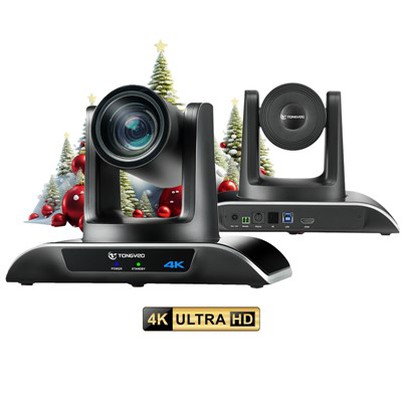
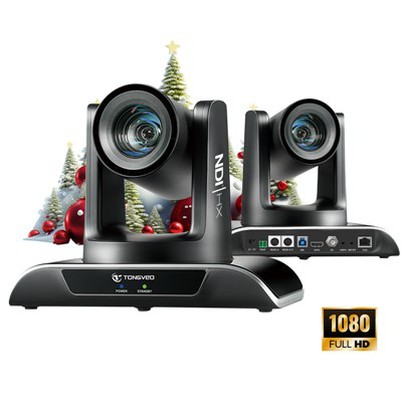
Our company offers a range of high-quality IP PTZ cameras, including the High-Definition 30x Zoom HDMI SDI IP Conference Camera for Large Conference Rooms, the PTZ IP Conference Room Camera, and the FHD IP HDMI USB3.0 PTZ Video Conferencing Camera with 20x Optical Zoom for Church. These cameras are designed to provide exceptional image quality and reliable performance in various applications.
Preparing for Calibration
Before you begin the calibration process, there are several steps you need to take to ensure a smooth and successful calibration.
1. Mount the Camera Correctly
The first step is to mount the camera in the desired location. Make sure the camera is securely mounted and level to ensure accurate panning, tilting, and zooming. Use a spirit level to check the camera's alignment and adjust it as needed.
2. Connect the Camera to the Network
Once the camera is mounted, connect it to the network using an Ethernet cable. Ensure that the camera is receiving power and that it can communicate with the network. You may need to configure the camera's IP address and other network settings to establish a connection.
3. Install the Camera Management Software
Most IP PTZ cameras come with dedicated management software that allows you to control and configure the camera. Install the software on your computer and follow the instructions to connect to the camera. The software will provide you with a user interface to access the camera's settings and perform calibration.
4. Set Up the Camera's Initial Settings
Before starting the calibration process, it's important to set up the camera's initial settings, such as the date and time, language, and video resolution. These settings can usually be configured through the camera management software.
Calibrating the Camera's Pan and Tilt
The first step in calibrating an IP PTZ camera is to calibrate the pan and tilt functions. This ensures that the camera moves smoothly and accurately in both the horizontal and vertical directions.
1. Access the Calibration Menu
Open the camera management software and navigate to the calibration menu. The location of the calibration menu may vary depending on the camera model and software version. Look for options such as "Calibration," "PTZ Calibration," or "Motor Calibration."
2. Initialize the Calibration Process
Once you have accessed the calibration menu, select the option to initialize the calibration process. The camera will typically perform a self-test to determine its current position and orientation.
3. Set the Home Position
The home position is the default position of the camera when it is powered on or reset. To set the home position, use the camera's control interface to move the camera to the desired location. Then, select the option to set the current position as the home position in the calibration menu.


4. Calibrate the Pan and Tilt Limits
Next, you need to calibrate the pan and tilt limits to ensure that the camera does not overshoot or undershoot its intended position. Use the camera's control interface to move the camera to the extreme left, right, up, and down positions. The camera management software will prompt you to confirm these positions as the pan and tilt limits.
5. Test the Pan and Tilt Function
After calibrating the pan and tilt limits, test the camera's pan and tilt function to ensure that it moves smoothly and accurately. Use the camera's control interface to move the camera in different directions and observe its movement. If you notice any issues, such as jerky movement or inaccurate positioning, you may need to repeat the calibration process.
Calibrating the Camera's Zoom
In addition to calibrating the pan and tilt functions, it's also important to calibrate the camera's zoom function. This ensures that the camera zooms in and out smoothly and accurately.
1. Access the Zoom Calibration Menu
Open the camera management software and navigate to the zoom calibration menu. Similar to the pan and tilt calibration menu, the location of the zoom calibration menu may vary depending on the camera model and software version.
2. Set the Zoom Limits
To calibrate the zoom function, you need to set the zoom limits. Use the camera's control interface to zoom the camera to its maximum and minimum zoom levels. The camera management software will prompt you to confirm these positions as the zoom limits.
3. Test the Zoom Function
After setting the zoom limits, test the camera's zoom function to ensure that it zooms in and out smoothly and accurately. Use the camera's control interface to zoom the camera in and out and observe its movement. If you notice any issues, such as uneven zooming or inaccurate zoom levels, you may need to repeat the calibration process.
Calibrating the Camera's Focus
Proper focus calibration is essential for ensuring clear and sharp images. Most IP PTZ cameras have autofocus capabilities, but you may need to perform manual focus calibration in certain situations.
1. Switch to Manual Focus Mode
If your camera has autofocus capabilities, switch to manual focus mode to perform manual focus calibration. This can usually be done through the camera management software or the camera's control interface.
2. Focus on a Target
Select a target object with distinct edges and details, such as a sign or a person's face. Use the camera's control interface to adjust the focus until the target object appears sharp and clear.
3. Save the Focus Settings
Once you have achieved the desired focus, save the focus settings in the camera management software. This will ensure that the camera maintains the same focus level even if you change the zoom or pan/tilt position.
Fine-Tuning the Camera's Image Settings
In addition to calibrating the pan, tilt, zoom, and focus functions, you may also need to fine-tune the camera's image settings to optimize the image quality. These settings include brightness, contrast, saturation, and white balance.
1. Access the Image Settings Menu
Open the camera management software and navigate to the image settings menu. Look for options such as "Image Settings," "Video Settings," or "Picture Settings."
2. Adjust the Brightness and Contrast
Use the camera management software to adjust the brightness and contrast settings to achieve a balanced and well-lit image. You can preview the changes in real-time on the software's display.
3. Adjust the Saturation and Sharpness
Next, adjust the saturation and sharpness settings to enhance the color and detail of the image. However, be careful not to overdo it, as excessive saturation and sharpness can result in a distorted or unnatural-looking image.
4. Set the White Balance
White balance is important for ensuring accurate color reproduction. Select the appropriate white balance setting based on the lighting conditions, such as "Auto," "Daylight," "Cloudy," or "Tungsten." You may need to adjust the white balance manually in some cases to achieve the best results.
Testing and Verifying the Calibration
After completing the calibration process, it's important to test and verify the calibration to ensure that the camera is functioning properly.
1. Perform a PTZ Movement Test
Use the camera's control interface to move the camera in different directions and observe its movement. Make sure that the camera moves smoothly and accurately without any jerks or delays.
2. Check the Zoom and Focus Function
Test the camera's zoom and focus function by zooming in and out and focusing on different objects. Ensure that the zoom is smooth and that the focus remains sharp at all zoom levels.
3. Evaluate the Image Quality
Review the camera's image quality by examining the captured images or video footage. Check for any issues such as blurry images, color distortion, or uneven lighting. If you notice any problems, you may need to revisit the calibration process or adjust the image settings.
Conclusion
Calibrating an IP PTZ camera is a critical step in ensuring optimal performance and image quality. By following the steps outlined in this guide, you can calibrate your camera's pan, tilt, zoom, and focus functions, as well as fine-tune its image settings. If you encounter any difficulties during the calibration process or have any questions, our team of experts is here to assist you.
As a leading IP PTZ camera supplier, we are committed to providing our customers with high-quality products and excellent customer service. If you are interested in purchasing an IP PTZ camera or need further assistance with calibration or any other camera-related issues, please feel free to contact us for a consultation and procurement discussion.
References
- Manufacturer's documentation for IP PTZ cameras
- Camera management software user manuals