What is the size of a typical conference camera?
Leave a message

Hey there! As a supplier of conference cameras, I often get asked about the size of a typical conference camera. It's a great question, and in this blog, I'll break down everything you need to know about conference camera sizes.
Why Size Matters in Conference Cameras
First off, let's talk about why the size of a conference camera is important. The size can impact several aspects of your conferencing experience. For instance, a smaller camera might be more portable and easier to set up in different meeting spaces. You can just grab it and take it to a small huddle room or a larger conference hall without much hassle. On the other hand, a larger camera might come with more advanced features and better image quality, but it could be a bit more challenging to move around.
Common Sizes of Conference Cameras
Compact and Portable Cameras
Compact conference cameras are usually on the smaller side. They're designed to be lightweight and easy to carry. These cameras typically have dimensions in the range of around 4 - 6 inches in length, 2 - 4 inches in width, and 2 - 3 inches in height. They're perfect for small - scale meetings, home offices, or when you need to quickly set up a video conference on the go.
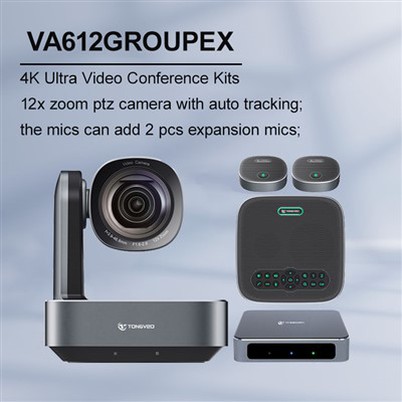
One of the great things about these compact cameras is that they can be easily mounted on a monitor or a laptop. You don't need a lot of space to install them. For example, our Full HD USB PTZ Video Conference camera is a compact option that offers high - definition video quality despite its small size. It's a popular choice for freelancers and small businesses who want a reliable conferencing solution without taking up too much space.
Medium - Sized Cameras
Medium - sized conference cameras are a step up from the compact ones. They usually measure around 6 - 8 inches in length, 4 - 6 inches in width, and 3 - 5 inches in height. These cameras are suitable for medium - sized meeting rooms, where you need a bit more functionality and better image capture.
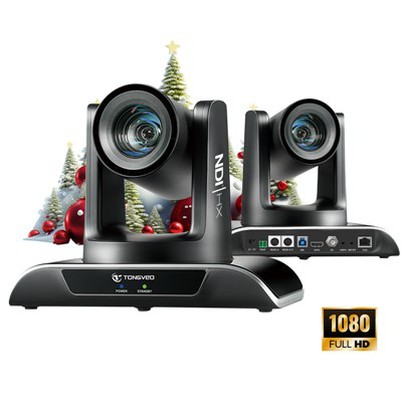
They often come with features like pan, tilt, and zoom (PTZ) capabilities. With PTZ, you can adjust the camera's view to cover different parts of the room. Our Pan Tilt USB PTZ Camera for Video Zoom Conferencing falls into this category. It offers smooth PTZ movement, allowing you to capture every participant in the meeting clearly. The medium size also gives the camera a more stable base, which is important for getting a steady shot during the conference.


Large - Scale Conference Cameras
Large - scale conference cameras are designed for big meeting rooms, auditoriums, or corporate conference centers. These cameras can be quite large, with lengths ranging from 8 - 12 inches, widths of 6 - 10 inches, and heights of 5 - 8 inches.
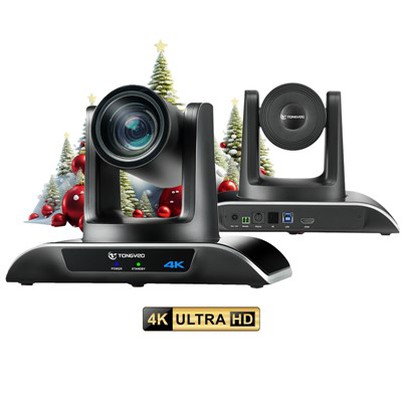
They are equipped with high - end optics and advanced sensors to provide the best possible image quality over long distances. These cameras often have high - resolution capabilities, such as 4K or even higher. They can also handle a wide field of view, ensuring that everyone in the large room is visible. Our USB HD PTZ Video Conference Camera is a great example of a large - scale camera. It's built to deliver top - notch video performance in large spaces, making it a favorite among big companies and organizations.
Factors Affecting Camera Size
Functionality
The more features a camera has, the larger it tends to be. For example, cameras with PTZ capabilities need additional motors and mechanisms to control the movement. This adds to the overall size of the camera. Cameras with high - resolution sensors also require more space to accommodate the larger sensor chips and associated electronics.
Optics
The quality of the camera's lens can also impact its size. High - quality lenses with a wide aperture and long focal length are usually larger. These lenses are necessary for getting sharp images, especially in low - light conditions or when you need to zoom in on a subject from a distance.
Cooling Requirements
Cameras that are constantly in use, especially those with high - performance components, generate heat. To prevent overheating, they need proper cooling systems. These cooling systems, such as fans or heat sinks, can add to the overall size of the camera.
Choosing the Right Size for Your Needs
When it comes to choosing the right size of a conference camera, you need to consider your specific requirements. If you're a small business or an individual working from home, a compact camera might be the best option. It's affordable, easy to set up, and takes up minimal space.
For medium - sized businesses with regular meetings in medium - sized rooms, a medium - sized camera with PTZ capabilities would be a great fit. It offers more functionality and better image capture.
If you're part of a large corporation with big conference rooms and high - end conferencing needs, a large - scale camera is the way to go. It provides the best image quality and can handle the demands of large - scale meetings.
Wrapping Up and Invitation to Contact
So, there you have it! The size of a typical conference camera can vary widely depending on its intended use and features. Whether you need a small, portable camera or a large, high - performance one, we've got you covered.
If you're interested in learning more about our conference cameras or are ready to make a purchase, feel free to reach out to us. We'd be more than happy to discuss your needs and help you find the perfect camera for your conferencing setup. Don't hesitate to contact us for a detailed product consultation and to start the procurement process.
References
- Industry reports on video conferencing equipment
- Internal product specifications of conference cameras