How to calibrate a PTZ video camera in a church?
Leave a message

Calibrating a PTZ (Pan-Tilt-Zoom) video camera in a church is a crucial process that ensures high - quality video capture for various church activities such as services, events, and live streaming. As a PTZ video camera supplier for churches, I have encountered numerous scenarios where proper calibration can make a significant difference in the overall video output. In this blog, I will share some practical steps and tips on how to calibrate a PTZ video camera in a church setting.
Understanding the Church Environment
Before starting the calibration process, it is essential to understand the unique characteristics of the church environment. Churches often have large, open spaces with high ceilings, stained - glass windows, and a variety of lighting conditions. These factors can impact the camera's performance, including focus, exposure, and color accuracy.
For instance, the natural light coming through stained - glass windows can create uneven lighting within the church. During the day, this can cause some areas to be over - exposed while others remain in shadow. At night, artificial lighting fixtures may introduce color casts or hotspots. Additionally, the size and layout of the church can affect the camera's field of view and the range of pan, tilt, and zoom required.
Pre - Calibration Setup
-
Mounting the Camera
The first step is to mount the PTZ camera in an appropriate location. Consider the areas you want to cover, such as the altar, the pulpit, the choir, and the congregation. The camera should be mounted at a height that provides a clear view of these areas without obstruction. A ceiling - mounted camera is often a good choice as it can offer a wide and unobstructed view. Make sure the camera is securely fastened to prevent any vibrations that could affect the video quality. -
Power and Connectivity
Ensure that the camera is properly powered and connected to the recording or streaming device. Use high - quality cables to minimize signal loss. If you are using a network - based PTZ camera, make sure it is connected to a stable network with sufficient bandwidth. -
Initial Configuration
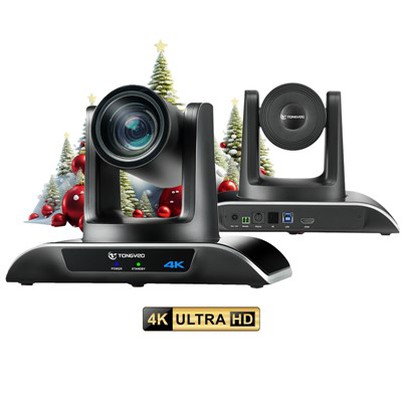
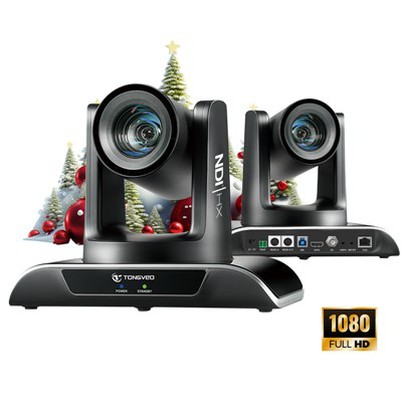
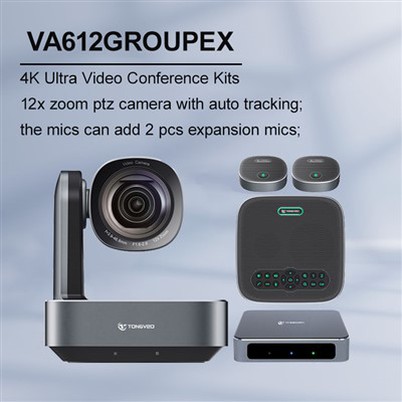
Access the camera's configuration menu using the provided software or web interface. Set the basic parameters such as the camera's resolution, frame rate, and aspect ratio according to your requirements. You can find more information about high - quality PTZ cameras suitable for church applications on our website, including the USB HD PTZ Video Conference Camera and the 360 Conference Room Video Cameras for Teams.
Focus Calibration
- Manual Focus
Most PTZ cameras offer both manual and auto - focus options. In a church environment, manual focus is often preferred as it allows for more precise control, especially when dealing with different distances and lighting conditions.
To calibrate the focus manually, start by selecting a static object in the center of the camera's field of view, such as a hymn book on the pulpit. Zoom in on the object until it fills most of the screen. Then, use the focus adjustment controls on the camera or the software to bring the object into sharp focus. Once the object is in focus, zoom out to the desired field of view and check if other areas of the frame are also in focus. If not, repeat the process for different areas of interest. - Focus Presets
Many PTZ cameras allow you to set focus presets for different positions. This is useful when you need to quickly switch between different areas of the church, such as the altar and the congregation. After calibrating the focus for a particular position, save it as a preset in the camera's memory. You can then recall the preset whenever you need to focus on that area.
Exposure Calibration
- Manual Exposure
Similar to focus, manual exposure gives you more control over the camera's brightness and contrast. In a church, the lighting conditions can vary significantly, so manual exposure is often necessary to achieve a consistent and well - lit video.
To calibrate the exposure manually, start by selecting an area in the frame that represents the average lighting in the church. This could be the center of the altar or a section of the pews. Use the exposure adjustment controls to set the correct aperture, shutter speed, and ISO. You may need to make multiple adjustments to balance the brightness and contrast. For example, if the area is too dark, you can increase the aperture or the ISO. If it is too bright, you can decrease the aperture or the shutter speed. - Exposure Presets
Just like focus presets, you can also set exposure presets for different lighting conditions. For example, you can create a preset for daytime services with natural light and another for evening services with artificial lighting. This allows you to quickly adjust the exposure settings when the lighting changes.
Color Calibration
- White Balance
White balance is crucial for accurate color reproduction. In a church, different types of lighting can introduce color casts. For example, fluorescent lights may give a greenish tint, while incandescent lights may give a yellowish tint.
To calibrate the white balance, use the camera's white balance presets or set it to manual mode. If using manual white balance, find an object in the frame that is known to be white or neutral, such as a white sheet of paper. Point the camera at the object and use the white balance adjustment controls to make the object appear white on the screen. This will ensure that all other colors in the frame are accurately reproduced. - Color Temperature
Some PTZ cameras allow you to adjust the color temperature directly. You can set the color temperature according to the type of lighting in the church. For example, if you are using warm - white LED lights, set the color temperature to a lower value (around 2700 - 3000K). If using cool - white fluorescent lights, set it to a higher value (around 5000 - 6500K).
Pan, Tilt, and Zoom Calibration
- Range of Motion
Check the camera's pan, tilt, and zoom range to ensure that it can cover all the areas of interest in the church. Use the camera's controls to test the full range of pan (left - right movement), tilt (up - down movement), and zoom (magnification). Make sure there are no mechanical limitations or obstructions that prevent the camera from moving smoothly. - Preset Positions
Set up preset positions for different areas of the church. For example, create a preset for the pulpit, another for the choir, and a third for the congregation. To set a preset, move the camera to the desired position, adjust the focus, exposure, and color settings as needed, and then save the position as a preset in the camera's memory. You can then quickly recall these presets during a service or an event. - Motion Speed
Adjust the pan, tilt, and zoom speed according to your needs. A slower speed is often preferred during a church service to avoid sudden and jarring movements. You can set different speeds for different presets or for different types of movements, such as panning across the congregation or zooming in on the altar.
Testing and Fine - Tuning
After calibrating all the settings, it is important to test the camera in real - world conditions. Conduct a test recording or a live stream during a rehearsal or a small event. Review the video footage to check for any issues with focus, exposure, color, or motion. Make any necessary adjustments to the calibration settings based on the test results.


Conclusion
Calibrating a PTZ video camera in a church requires a combination of technical knowledge and practical experience. By following the steps outlined in this blog, you can ensure that your camera is properly calibrated to capture high - quality video for all your church activities. If you are in the market for a PTZ camera for your church, we offer a wide range of products, including the Ptz Camera For Church Live Streaming.
If you have any questions or need further assistance with camera calibration or purchasing a PTZ camera for your church, please feel free to contact us. We are here to help you make the most of your video capture and live - streaming needs.
References
- "Video Camera Handbook" by John B. Reas.
- Manufacturer's manuals for PTZ cameras.