What is the difference between a 1080p and 4K conference camera?
Leave a message

In the realm of video conferencing, the choice of camera plays a pivotal role in determining the quality and effectiveness of communication. One of the most significant decisions users face is whether to opt for a 1080p or 4K conference camera. As a supplier of 1080p conference cameras, I've witnessed firsthand the shifting landscape of video conferencing technology and the ongoing debate between these two resolutions. In this blog post, I'll delve into the key differences between 1080p and 4K conference cameras, weighing the pros and cons to help you make an informed decision for your specific needs.
Understanding Resolution: 1080p vs. 4K
Resolution refers to the number of pixels displayed on a screen or captured by a camera. It is typically measured in terms of horizontal and vertical pixels, with higher resolutions offering more detailed and sharper images.
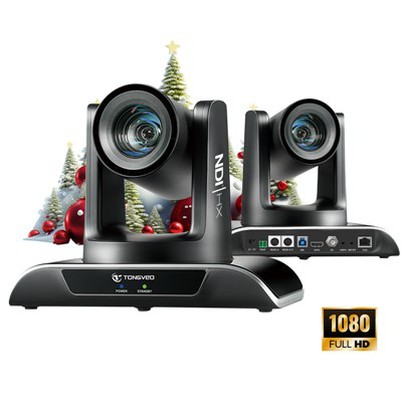
- 1080p: Also known as Full HD, 1080p resolution has a pixel count of 1920x1080 pixels. This means that the image is composed of 1920 horizontal pixels and 1080 vertical pixels, resulting in a total of over 2 million pixels. 1080p has been the standard for high-definition video for many years and is still widely used in various applications, including video conferencing.
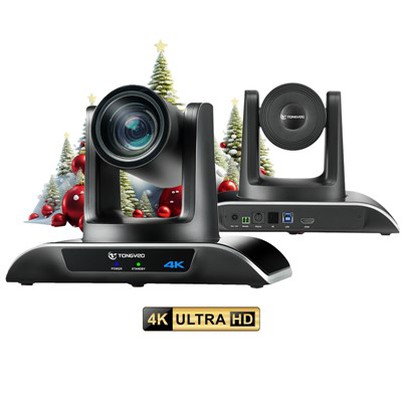
- 4K: Also referred to as Ultra HD, 4K resolution has a pixel count of 3840x2160 pixels, which is four times the number of pixels in 1080p. This results in a much more detailed and immersive viewing experience, with greater clarity and sharpness. 4K has become increasingly popular in recent years, particularly in home entertainment systems and professional video production.
Image Quality
The most obvious difference between 1080p and 4K conference cameras is the image quality. 4K cameras offer significantly higher resolution and detail, making them ideal for applications where clarity and precision are crucial. In a video conferencing setting, this means that participants will be able to see facial expressions, body language, and other visual cues more clearly, enhancing the overall communication experience.


However, it's important to note that the benefits of 4K resolution may not be as noticeable in all situations. For example, if the participants are sitting far away from the camera or if the lighting conditions are poor, the difference in image quality between 1080p and 4K may be less pronounced. Additionally, the size of the display used to view the video conference can also impact the perceived difference in image quality. On a smaller screen, such as a laptop or tablet, the difference between 1080p and 4K may not be as apparent.
Bandwidth and Storage Requirements
Another important consideration when choosing between a 1080p and 4K conference camera is the bandwidth and storage requirements. 4K video requires significantly more bandwidth and storage space than 1080p video, which can be a challenge for some users.
- Bandwidth: To stream 4K video, you need a high-speed internet connection with a minimum bandwidth of at least 25 Mbps. This is because 4K video has a much higher data rate than 1080p video, which means that more data needs to be transmitted in real-time. If your internet connection is not fast enough, you may experience buffering, lag, or other issues that can disrupt the video conference.
- Storage: In addition to bandwidth requirements, 4K video also requires more storage space than 1080p video. This is because 4K video files are larger in size, which means that they take up more space on your hard drive or other storage device. If you plan to record your video conferences for future reference, you'll need to make sure that you have enough storage space to accommodate the larger file sizes.
Cost
Cost is another important factor to consider when choosing between a 1080p and 4K conference camera. Generally speaking, 4K cameras are more expensive than 1080p cameras, due to the higher resolution and more advanced technology required.
- Camera Price: The price of a 4K conference camera can range from several hundred dollars to several thousand dollars, depending on the brand, features, and quality. In contrast, 1080p conference cameras are typically more affordable, with prices ranging from less than $100 to a few hundred dollars.
- Additional Costs: In addition to the cost of the camera itself, you may also need to consider the additional costs associated with using a 4K camera, such as the cost of a high-speed internet connection, a compatible display, and additional storage space. These costs can add up quickly, especially if you're on a tight budget.
Compatibility
Compatibility is another important consideration when choosing between a 1080p and 4K conference camera. Not all video conferencing platforms and devices support 4K resolution, so you'll need to make sure that your camera is compatible with your existing setup.
- Video Conferencing Platforms: Some video conferencing platforms, such as Zoom, Microsoft Teams, and Google Meet, support 4K resolution. However, others may only support 1080p or lower resolutions. Before purchasing a 4K camera, make sure that your preferred video conferencing platform supports 4K resolution.
- Devices: In addition to video conferencing platforms, you'll also need to make sure that your camera is compatible with your existing devices, such as your computer, laptop, or tablet. Some older devices may not have the necessary hardware or software to support 4K resolution, so you may need to upgrade your device if you want to use a 4K camera.
Use Cases
The choice between a 1080p and 4K conference camera ultimately depends on your specific use case and requirements. Here are some factors to consider when making your decision:
- Small Meetings: For small meetings with a few participants, a 1080p conference camera may be sufficient. 1080p resolution offers good image quality and is widely supported by most video conferencing platforms and devices. Additionally, 1080p cameras are generally more affordable and require less bandwidth and storage space than 4K cameras.
- Large Meetings and Events: For large meetings and events with many participants, a 4K conference camera may be a better choice. 4K resolution offers higher image quality and greater detail, which can enhance the overall communication experience. Additionally, 4K cameras are better suited for long-distance viewing and can provide a more immersive experience for participants.
- Professional Applications: For professional applications, such as remote training, presentations, and collaborations, a 4K conference camera may be necessary. 4K resolution offers the highest level of image quality and detail, which can be crucial for conveying information effectively. Additionally, 4K cameras are often equipped with advanced features, such as autofocus, optical zoom, and wide-angle lenses, which can further enhance the quality of the video conference.
Conclusion
In conclusion, the choice between a 1080p and 4K conference camera depends on a variety of factors, including image quality, bandwidth and storage requirements, cost, compatibility, and use case. While 4K cameras offer higher resolution and better image quality, they also require more bandwidth and storage space and are generally more expensive than 1080p cameras. On the other hand, 1080p cameras are more affordable, require less bandwidth and storage space, and are widely supported by most video conferencing platforms and devices.
As a supplier of Full HD USB PTZ Video Conference cameras, I believe that 1080p cameras are a great choice for many users, especially those who are on a budget or have limited bandwidth and storage space. Our USB ptz conferencing hd camera for church and Conference Large Room Skype Camera offer excellent image quality, advanced features, and reliable performance at an affordable price.
If you're interested in learning more about our 1080p conference cameras or have any questions about choosing the right camera for your needs, please don't hesitate to [contact us](insert contact information here). Our team of experts is always available to help you make an informed decision and find the perfect camera for your video conferencing needs.
References
- "What is 4K Resolution?" TechRadar.
- "1080p vs. 4K: What's the Difference?" Lifewire.
- "Video Conferencing Camera Buying Guide." PCMag.