Can an IP PTZ camera be used in a cold environment?
Leave a message

As an IP PTZ camera supplier, I often get asked whether our cameras can be used in cold environments. It's a valid concern, especially for those who need to install cameras in outdoor or unheated indoor spaces. In this blog, I'll share some insights on this topic based on my experience and knowledge.
First off, let's understand what an IP PTZ camera is. IP stands for Internet Protocol, which means these cameras can connect to a network and transmit video data over the internet. PTZ stands for Pan, Tilt, and Zoom, allowing the camera to move horizontally (pan), vertically (tilt), and zoom in and out. They're super versatile and are used in a wide range of applications, from security surveillance to video conferencing.
Now, the big question: Can they work in cold environments? The short answer is, it depends. Most standard IP PTZ cameras are designed to operate within a certain temperature range, usually between 0°C to 40°C (32°F to 104°F). If the temperature drops below this range, several issues can arise.
One of the main problems is with the camera's internal components. Cold temperatures can cause the lubricants in the PTZ mechanism to thicken, which might slow down or even prevent the camera from panning, tilting, or zooming properly. For example, if you've ever tried to move a mechanical device in extremely cold weather, you know how sluggish it can become. The same thing can happen to the moving parts of an IP PTZ camera.


Another issue is with the camera's battery (if it has one) or power supply. Cold temperatures can reduce the battery's capacity and lifespan. A battery that normally lasts for a few hours at room temperature might drain much faster in the cold. And for cameras that are powered by an external power source, the cold can affect the electrical conductivity and cause power fluctuations, which could lead to the camera malfunctioning or shutting down.
The camera's image sensor is also sensitive to cold. At low temperatures, the sensor might produce more noise in the image, resulting in a grainy or distorted picture. This is because the cold can interfere with the normal operation of the sensor's pixels, causing them to generate random electrical signals.
However, not all hope is lost. There are ways to make IP PTZ cameras work in cold environments. Some manufacturers, including us, offer cameras that are specifically designed for cold-weather use. These cameras are equipped with features like heated enclosures, which help keep the internal components at a stable temperature. The heated enclosure acts like a little warm jacket for the camera, protecting it from the cold outside.
We also use special lubricants in the PTZ mechanism that are formulated to remain fluid at low temperatures. This ensures that the camera can still pan, tilt, and zoom smoothly even in freezing conditions. Additionally, our cameras have robust power management systems that can adapt to the changes in temperature and maintain a stable power supply.
If you're considering using an IP PTZ camera in a cold environment, here are some things to keep in mind. First, check the camera's specifications to see what its operating temperature range is. If you need to use it in a colder environment, look for a camera that's specifically designed for cold weather.
Second, make sure to install the camera properly. If possible, mount it in a sheltered location where it's protected from direct exposure to the cold wind and snow. You can also use insulation materials around the camera to help keep it warm.
Finally, regular maintenance is crucial. In cold environments, it's a good idea to check the camera's operation regularly to make sure everything is working as it should. Look for any signs of damage or malfunction, and address them as soon as possible.
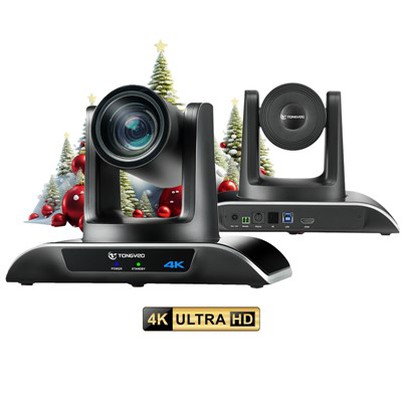
Now, let me introduce some of our products that are suitable for various applications. We have the High-Definition 30x Zoom HDMI SDI IP Conference Camera for Large Conference Rooms. This camera offers high-definition video with a powerful 30x zoom, making it perfect for large conference rooms. It has a robust design that can withstand different environmental conditions, including cold temperatures to a certain extent.
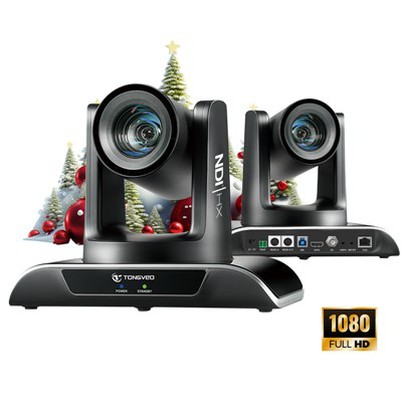
For those in the religious sector, we have the FHD IP HDMI USB3.0 PTZ Video Conferencing Camera with 20x Optical Zoom for Church. This camera provides excellent image quality and the 20x optical zoom allows for clear and detailed views. It's also designed to be reliable in different settings, and with proper care, it can be used in moderately cold environments.
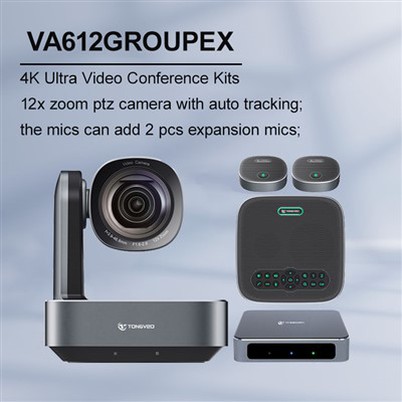
And if you're looking for a general-purpose IP PTZ camera for conference rooms, our PTZ IP Conference Room Camera is a great choice. It offers smooth PTZ operation and high-quality video, and we can provide guidance on how to use it in cold environments.
In conclusion, while standard IP PTZ cameras might face challenges in cold environments, there are solutions available. As an IP PTZ camera supplier, we're committed to providing products that can meet the needs of our customers, even in harsh conditions. If you're interested in using an IP PTZ camera in a cold environment, don't hesitate to get in touch with us. We can help you choose the right camera and provide advice on installation and maintenance. Whether it's for security, surveillance, or video conferencing, we have the expertise to ensure that your camera performs well. So, if you're in the market for an IP PTZ camera, let's start a conversation and see how we can work together to meet your requirements.
References
- Camera Component Manufacturer's Guides
- Industry Research on Electronic Devices in Cold Environments
- In-house Testing Reports on IP PTZ Cameras in Cold Conditions