Can an IP PTZ camera be used for hospital surveillance?
Leave a message

As a supplier of IP PTZ cameras, I often get asked about the suitability of these cameras for various applications. One question that comes up frequently is whether an IP PTZ camera can be used for hospital surveillance. In this blog post, I'll explore the potential of IP PTZ cameras in hospital settings, discussing their features, benefits, and considerations.
Understanding IP PTZ Cameras
Before delving into their use in hospitals, let's first understand what IP PTZ cameras are. IP (Internet Protocol) cameras are digital devices that transmit video and audio data over a network. PTZ stands for Pan, Tilt, and Zoom, which means these cameras can move horizontally (pan), vertically (tilt), and magnify the view (zoom). This functionality allows for a wide range of coverage and the ability to focus on specific areas of interest.
IP PTZ cameras offer several advantages over traditional fixed cameras. They provide greater flexibility in monitoring large areas, as they can be remotely controlled to adjust the viewing angle and zoom level. This is particularly useful in dynamic environments such as hospitals, where different areas may require attention at different times.
Benefits of Using IP PTZ Cameras in Hospitals
Enhanced Security
Hospitals are complex environments that house valuable equipment, sensitive patient information, and a large number of people. IP PTZ cameras can play a crucial role in enhancing security by providing comprehensive surveillance coverage. They can monitor entrances, exits, corridors, waiting areas, and other critical areas to detect and deter unauthorized access, theft, and vandalism.
With the ability to pan, tilt, and zoom, these cameras can quickly focus on suspicious activities or incidents, allowing security personnel to respond promptly. In addition, the high-resolution video footage captured by IP PTZ cameras can be used as evidence in case of criminal activities or disputes.
Patient Safety
Patient safety is a top priority in hospitals. IP PTZ cameras can contribute to patient safety by monitoring patient areas, such as intensive care units, operating rooms, and nurseries. They can help healthcare providers keep an eye on patients' conditions, detect any signs of distress or emergencies, and ensure that proper care is being provided.


For example, in an intensive care unit, an IP PTZ camera can be used to monitor a patient's vital signs, movement, and interactions with medical staff. This real-time monitoring can help identify potential issues early on and enable timely intervention.
Staff Monitoring and Training
IP PTZ cameras can also be used for staff monitoring and training purposes. They can provide valuable insights into staff performance, workflow efficiency, and compliance with safety protocols. By analyzing the video footage, hospital administrators can identify areas for improvement, provide targeted training to staff, and ensure that best practices are being followed.
In addition, the recorded video can be used for educational purposes, such as training new staff members or conducting case studies. It can provide a visual reference for teaching proper procedures, techniques, and patient care.
Remote Monitoring
One of the key advantages of IP PTZ cameras is their ability to be accessed remotely. This means that hospital administrators, security personnel, and healthcare providers can monitor the surveillance footage from anywhere with an internet connection. This is particularly useful for off-site management, emergency response, and after-hours monitoring.
For example, a hospital administrator can use a mobile device to check the security status of the hospital while away from the premises. A healthcare provider can remotely monitor a patient's condition from home or during a break. This remote access feature provides flexibility and convenience, allowing for more efficient management of hospital resources.
Considerations for Using IP PTZ Cameras in Hospitals
While IP PTZ cameras offer many benefits for hospital surveillance, there are also some considerations that need to be taken into account.
Privacy Concerns
Hospitals deal with sensitive patient information and privacy is a major concern. When installing IP PTZ cameras, it is important to ensure that they are placed in appropriate locations to minimize the invasion of privacy. Cameras should not be installed in areas where patients have a reasonable expectation of privacy, such as bathrooms, changing rooms, or patient rooms.
In addition, strict access controls and security measures should be implemented to protect the video footage from unauthorized access. Only authorized personnel should have access to the surveillance system, and the data should be encrypted to prevent interception.
Compliance with Regulations
Hospitals are subject to various regulations and standards regarding privacy, security, and data protection. When using IP PTZ cameras, it is important to ensure that the installation and operation of the cameras comply with these regulations. This may include obtaining patient consent, following data retention policies, and adhering to industry best practices.
For example, in the United States, hospitals are required to comply with the Health Insurance Portability and Accountability Act (HIPAA), which sets strict rules for the protection of patient information. Any video footage that contains patient information must be handled in accordance with HIPAA regulations.
Technical Requirements
IP PTZ cameras require a reliable network infrastructure to function properly. Hospitals need to ensure that they have a robust network with sufficient bandwidth to support the transmission of high-resolution video footage. In addition, the cameras need to be properly configured and maintained to ensure optimal performance.
It is also important to consider the compatibility of the IP PTZ cameras with other security systems and software used in the hospital. For example, the cameras should be able to integrate with the hospital's access control system, alarm system, and video management software.
Recommended IP PTZ Cameras for Hospitals
As a supplier of IP PTZ cameras, I recommend the following products for hospital surveillance:
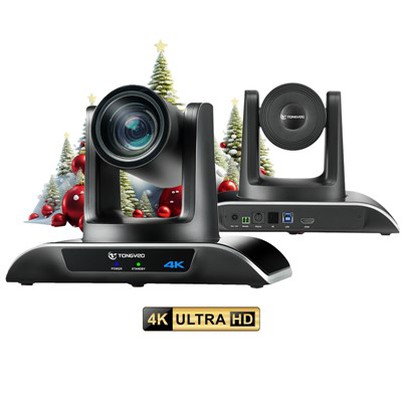
- PTZ IP Conference Room Camera: This camera is designed for conference rooms but can also be used for hospital surveillance. It offers high-resolution video, pan-tilt-zoom functionality, and easy integration with other systems.
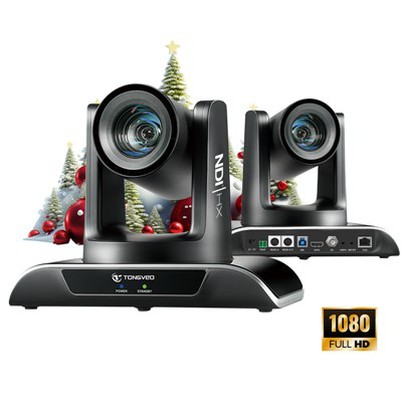
- Wide Angle Conference Camera: This camera provides a wide-angle view, making it suitable for monitoring large areas such as waiting rooms and corridors. It has a high frame rate and excellent low-light performance.
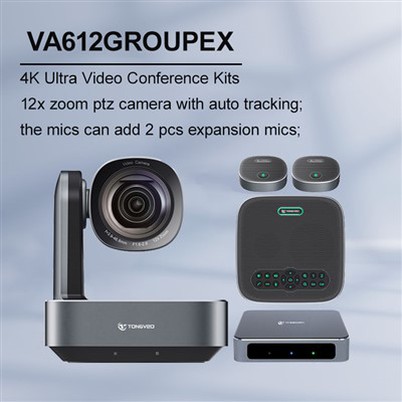
- FHD IP HDMI USB3.0 PTZ Video Conferencing Camera with 20x Optical Zoom for Church: This camera is equipped with a 20x optical zoom, allowing for detailed monitoring of specific areas. It also supports HDMI and USB3.0 connectivity, making it easy to integrate with different devices.
Conclusion
In conclusion, IP PTZ cameras can be a valuable tool for hospital surveillance. They offer enhanced security, patient safety, staff monitoring, and remote access capabilities. However, it is important to consider the privacy concerns, compliance with regulations, and technical requirements when using these cameras in a hospital setting.
If you are interested in using IP PTZ cameras for your hospital surveillance needs, I encourage you to contact us for more information. Our team of experts can help you select the right cameras for your specific requirements and provide professional installation and support services.
References
- "Hospital Security and Surveillance Systems: A Comprehensive Guide." SecurityInfoWatch.com.
- "The Role of Video Surveillance in Healthcare Facilities." Healthcare Facilities Today.
- "Privacy and Security in Healthcare: Best Practices for Video Surveillance." HIMSS Analytics.