What is the energy consumption of a PC conference camera?
Leave a message

As a supplier of PC conference cameras, I often receive inquiries from clients about the energy consumption of these devices. Understanding the energy consumption of a PC conference camera is crucial for several reasons, including cost - effectiveness, environmental impact, and overall system efficiency. In this blog post, I will delve into the factors that affect the energy consumption of PC conference cameras and provide some insights on how to manage it.
Factors Affecting Energy Consumption
1. Camera Resolution
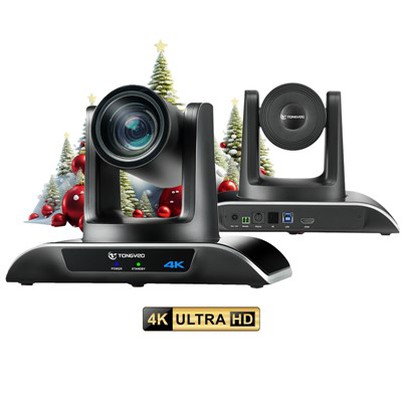
One of the most significant factors influencing the energy consumption of a PC conference camera is its resolution. Higher - resolution cameras require more processing power to capture and transmit clear images. For instance, a camera with a 4K resolution will consume more energy compared to a 1080p camera. The increased number of pixels in a 4K image demands more data processing and transfer, which in turn, leads to higher power usage.
When a camera is set to a high - resolution mode, the image sensor has to work harder to capture and process the detailed visual information. The processor within the camera also needs to handle larger data packets for encoding and transmitting the high - quality video. This extra workload translates into increased energy consumption.
2. Frame Rate
The frame rate of a PC conference camera also plays a vital role in energy consumption. Frame rate refers to the number of individual frames or images that the camera captures per second. A higher frame rate, such as 60 frames per second (fps), provides smoother video playback but requires more energy than a lower frame rate like 30 fps.
At a higher frame rate, the camera's sensor has to capture and process more images in a given time period. This means more data is generated and needs to be transferred, which increases the overall power demand. For example, in a fast - paced video conference where smooth motion is essential, a higher frame rate may be preferred, but it comes at the cost of increased energy usage.
3. Additional Features
Many modern PC conference cameras come with a variety of additional features, such as autofocus, zoom, and low - light enhancement. These features can significantly impact energy consumption. Autofocus systems constantly adjust the camera lens to keep the subject in focus, which requires additional power. Zoom functions, whether optical or digital, also add to the processing load of the camera, leading to increased energy usage.
Low - light enhancement features, which use advanced algorithms and sensors to improve image quality in dimly lit environments, also consume more energy. These features often involve additional processing steps to enhance the brightness and clarity of the video, resulting in a higher power draw.
4. Connectivity
The type of connectivity used by the PC conference camera can affect its energy consumption. USB - connected cameras are common in PC conferencing setups. USB 3.0 cameras generally consume more energy than USB 2.0 cameras because they offer higher data transfer speeds. The increased speed requires more power to operate the high - speed data channels.
Some cameras also support Wi - Fi connectivity, which can be convenient for wireless setups. However, Wi - Fi modules consume additional power to establish and maintain a stable connection. Bluetooth connectivity, on the other hand, typically consumes less power but may have limitations in terms of range and data transfer speed.
Measuring Energy Consumption
To accurately measure the energy consumption of a PC conference camera, several methods can be used. One common approach is to use a power meter. A power meter can be plugged between the camera and the power source, and it will measure the amount of electrical power the camera consumes over a given period.
Another way is to refer to the camera's technical specifications provided by the manufacturer. These specifications often include information about the camera's power consumption in different operating modes. For example, the power consumption may be listed for standby mode, normal operation mode, and high - performance mode.
Energy - Saving Tips
As a supplier, I understand the importance of helping clients manage the energy consumption of their PC conference cameras. Here are some energy - saving tips:


1. Adjust Resolution and Frame Rate
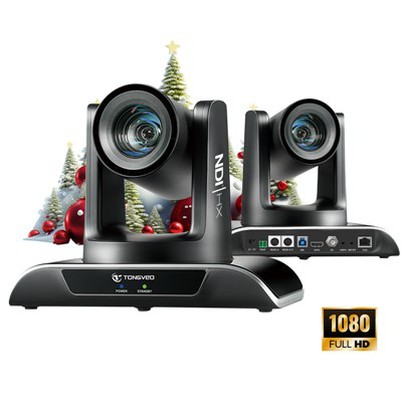
If high - resolution and high - frame - rate video are not necessary for your video conferences, consider reducing these settings. Lowering the resolution to 1080p or even 720p and the frame rate to 30 fps can significantly reduce energy consumption without sacrificing too much video quality for most meetings.
2. Disable Unnecessary Features
If you don't need features like autofocus, zoom, or low - light enhancement, disable them. This can reduce the processing load on the camera and lower its energy consumption. For example, in a well - lit room, the low - light enhancement feature may not be required.
3. Use Energy - Efficient Connectivity
If possible, choose a camera with an energy - efficient connectivity option. For instance, if you don't need high - speed data transfer, a USB 2.0 camera may be a better choice than a USB 3.0 camera. Avoid using Wi - Fi if a wired connection can provide a stable and sufficient data transfer rate.
Our Product Range and Energy Efficiency
At our company, we offer a wide range of PC conference cameras with varying energy consumption levels to meet the different needs of our clients. Our top usb meeting room video conference camera is designed to provide high - quality video while being energy - efficient. It uses advanced technology to optimize power usage without compromising on performance.
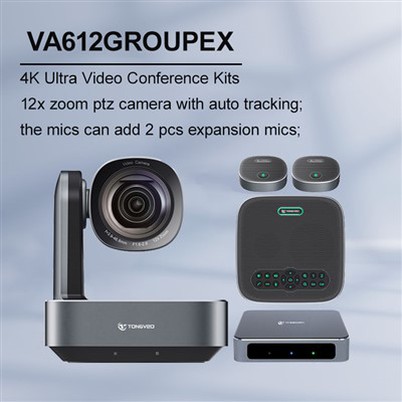
Our USB Camera For Video Conferencing System is another great option. It offers a balance between energy consumption and functionality, making it suitable for both small - scale and large - scale video conferencing setups.
For those who need a more immersive conferencing experience, our 360 Conference Room Video Cameras for Teams are available. These cameras are engineered to provide a wide - angle view while still being energy - conscious.
Conclusion
In conclusion, the energy consumption of a PC conference camera is influenced by multiple factors, including resolution, frame rate, additional features, and connectivity. By understanding these factors and implementing energy - saving measures, users can reduce the energy consumption of their cameras without sacrificing video quality.
As a supplier, we are committed to providing high - quality PC conference cameras that are both energy - efficient and reliable. If you are interested in learning more about our products or have any questions regarding energy consumption, please feel free to contact us for a procurement discussion. We look forward to helping you find the perfect PC conference camera for your needs.
References
- Camera Energy Consumption Studies by Industry Research Firms
- Technical Documentation of PC Conference Cameras