Can a conference camera be used with a projector?
Leave a message

As a supplier of conference cameras, I often encounter questions from customers about the compatibility and usage of our products. One frequently asked question is whether a conference camera can be used with a projector. In this blog post, I will delve into this topic, exploring the technical aspects, benefits, and considerations when using a conference camera in conjunction with a projector.
Technical Compatibility
The first thing to consider is the technical compatibility between a conference camera and a projector. Most modern conference cameras come with standard video output interfaces such as HDMI or USB. Projectors, on the other hand, also support these common input interfaces. This means that in most cases, you can easily connect a conference camera to a projector using the appropriate cables.
For example, if your conference camera has an HDMI output and your projector has an HDMI input, you can simply connect the two devices with an HDMI cable. This will allow the projector to display the video feed captured by the conference camera. Similarly, if your camera uses a USB output and your projector has a USB input or supports USB video input through a compatible adapter, you can establish a connection in that way.
However, it's important to note that not all projectors support all types of video input formats. Some older projectors may have limited compatibility with certain resolutions or frame rates. Before making a connection, it's advisable to check the specifications of both the conference camera and the projector to ensure that they are compatible. You can refer to the user manuals of the devices or contact the manufacturers for more detailed information.
Benefits of Using a Conference Camera with a Projector
There are several benefits to using a conference camera with a projector in a meeting or presentation setting.
Enhanced Visual Experience
One of the primary advantages is the ability to provide a larger and more immersive visual experience for the participants. A projector can display the video feed from the conference camera on a big screen, making it easier for everyone in the room to see the details, such as facial expressions, presentation materials, and other visual aids. This is particularly useful in large conference rooms or when there are many people attending the meeting.
Improved Collaboration
When using a conference camera with a projector, it becomes easier to share information and collaborate effectively. For example, if you are conducting a remote meeting, the local participants can see the remote participants clearly on the big screen, and vice versa. This can enhance communication and interaction, leading to more productive meetings. Additionally, you can use the conference camera to capture and display real-time content, such as whiteboard notes or physical objects, which can facilitate brainstorming and problem-solving sessions.
Flexibility in Presentation
A conference camera offers greater flexibility in terms of presentation options. You can adjust the camera's angle, zoom level, and focus to capture different perspectives and highlight specific details. This allows you to customize the visual presentation according to the needs of the meeting or presentation. For instance, you can zoom in on a particular slide or object to draw attention to it, or pan the camera to show the entire room or a group of people.
Considerations When Using a Conference Camera with a Projector
While there are many benefits to using a conference camera with a projector, there are also some considerations that you need to keep in mind.
Lighting Conditions
Lighting plays a crucial role in the quality of the video feed. Poor lighting can result in a dark or grainy image, which can affect the overall visual experience. When using a conference camera with a projector, it's important to ensure that the room is well-lit. Avoid direct sunlight or harsh lighting sources that can cause glare or shadows. You can use diffused lighting or adjustable lighting fixtures to create a balanced and comfortable lighting environment.
Audio Integration
In addition to video, audio is also an important aspect of a meeting or presentation. When using a conference camera with a projector, you need to ensure that the audio is properly integrated. Most conference cameras come with built-in microphones, but you may need to connect external speakers or audio systems to the projector to ensure that the sound is clear and audible throughout the room. You can use an audio cable or a wireless audio transmitter to connect the camera to the audio system.
Mounting and Placement
The mounting and placement of the conference camera and the projector are also important factors to consider. The camera should be positioned in a way that it can capture the entire room or the area of interest. It should be mounted at a suitable height and angle to ensure a clear and unobstructed view. The projector, on the other hand, should be placed in a location where it can project the image onto a flat and smooth surface without any obstructions. You may need to use a ceiling mount or a projector stand to achieve the optimal placement.
Recommended Conference Cameras for Use with Projectors
As a conference camera supplier, I would like to recommend some of our products that are suitable for use with projectors.
Conference Room Zoom Camera
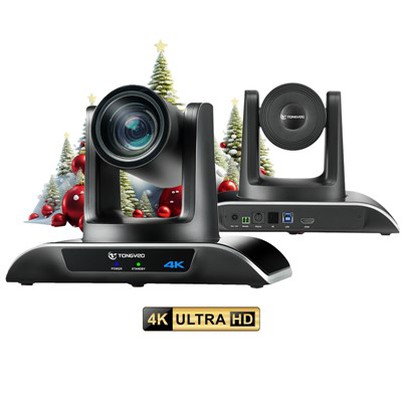
This camera is specifically designed for conference rooms. It features a high-resolution lens and a powerful zoom function, allowing you to capture clear and detailed images from a distance. The camera also supports pan, tilt, and zoom (PTZ) control, which gives you greater flexibility in adjusting the camera's position and angle. With its advanced image processing technology, it can provide excellent video quality even in low-light conditions.
good meet focus camera for zoom meetings
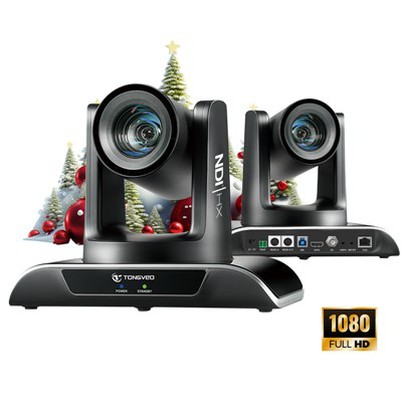
This camera is ideal for zoom meetings and other video conferencing applications. It has a wide-angle lens that can capture a large area, making it suitable for use in small to medium-sized conference rooms. The camera also features autofocus and automatic white balance, which ensures that the image is always sharp and well-lit. It comes with a built-in microphone and supports high-quality audio recording, providing a complete solution for video conferencing.
Tracking Camera For Video Conferencing
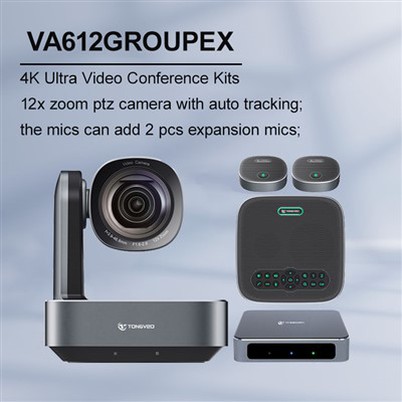
This camera is equipped with advanced tracking technology, which can automatically follow the movement of the speakers or objects in the room. It can provide a seamless and dynamic visual experience for the participants. The camera also supports multiple tracking modes, allowing you to customize the tracking behavior according to your needs. With its high-resolution sensor and fast frame rate, it can capture smooth and clear video even in fast-paced environments.


Conclusion
In conclusion, a conference camera can be used with a projector to provide an enhanced visual experience, improved collaboration, and greater flexibility in presentation. However, it's important to ensure that the two devices are technically compatible and that you take into account the lighting conditions, audio integration, and mounting and placement. By choosing the right conference camera and following the best practices, you can create a successful and productive meeting or presentation environment.
If you are interested in purchasing a conference camera for use with a projector, please feel free to contact us. Our team of experts will be happy to assist you in selecting the most suitable product for your needs and provide you with professional advice and support.
References
- Manufacturer's user manuals for conference cameras and projectors
- Industry research reports on video conferencing technology
- Technical specifications and documentation provided by the device manufacturers