How to share the video from an Hd Conference Camera with multiple devices?
Leave a message

Sharing videos from an HD conference camera with multiple devices is a crucial aspect of modern communication, especially in the era of remote work and virtual meetings. As a supplier of HD conference cameras, I understand the importance of seamless video sharing and the challenges that come with it. In this blog post, I'll share some effective ways to share videos from an HD conference camera across multiple devices, ensuring a smooth and high - quality communication experience.
Understanding the Basics of HD Conference Cameras
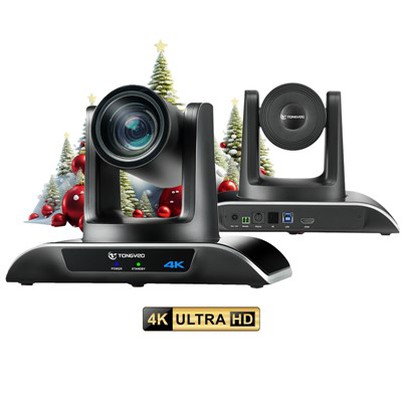
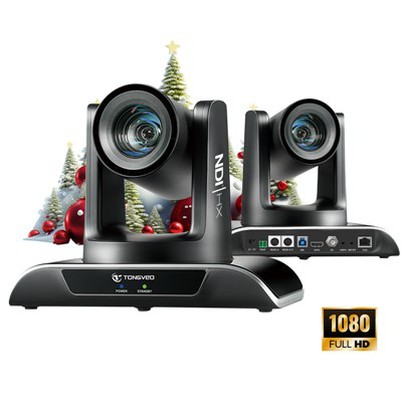
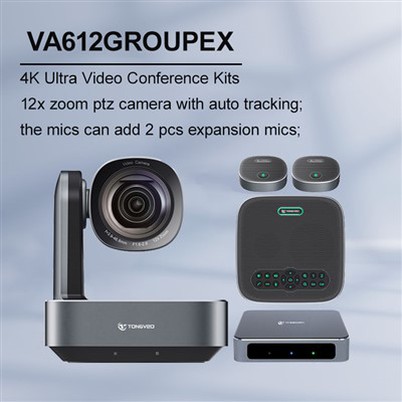
Before diving into the sharing methods, it's essential to understand the features of our HD conference cameras. Our Full HD USB PTZ Video Conference cameras are equipped with high - definition sensors that capture sharp and clear images. They often come with pan, tilt, and zoom (PTZ) capabilities, allowing users to adjust the camera's view during a meeting. The Top ptz Conference Web Camera for Team Meeting is designed to integrate seamlessly with popular video - conferencing platforms, providing a stable and reliable connection. Additionally, our 360 Conference Room Video Cameras for Teams offer a comprehensive view of the conference room, which is ideal for large - scale meetings.
Wired Connection Sharing
One of the most straightforward ways to share video from an HD conference camera with multiple devices is through wired connections. This method ensures a stable and high - quality video stream.
Using HDMI Splitters
HDMI splitters are a cost - effective solution for sharing video among multiple devices. Connect the HD conference camera to the HDMI splitter using an HDMI cable. Then, connect each device that needs to receive the video feed to the output ports of the splitter. This way, all connected devices can display the same video simultaneously. However, it's important to note that the length of the HDMI cables can affect the video quality. Longer cables may result in signal degradation, so it's recommended to use high - quality cables and keep the cable lengths as short as possible.
Ethernet - based Sharing
For more advanced setups, Ethernet - based sharing can be a great option. Many of our HD conference cameras support Ethernet connectivity. Connect the camera to a local network switch using an Ethernet cable. Then, configure the camera to stream the video over the network. Devices on the same local network can access the video stream by entering the camera's IP address in a compatible media player or web browser. This method allows for more flexibility in terms of device placement and can support a larger number of connected devices.
Wireless Sharing
Wireless sharing offers greater convenience and flexibility, especially in environments where wired connections are not practical.
Wi - Fi Direct
Some HD conference cameras support Wi - Fi Direct technology. With Wi - Fi Direct, the camera can create its own wireless network, and devices can connect directly to it without the need for a traditional Wi - Fi router. To share the video, simply enable Wi - Fi Direct on the camera and connect the target devices to the camera's Wi - Fi network. Once connected, the devices can access the video stream. This method is suitable for small - scale sharing, such as in a home office or a small meeting room.
Miracast and AirPlay
Miracast and AirPlay are wireless display technologies that allow devices to mirror their screens or stream media wirelessly. If your HD conference camera supports Miracast or AirPlay, you can connect compatible devices to the camera and share the video. For example, an Android device with Miracast support can connect to a Miracast - enabled camera and stream the video from the camera to the device's screen. Similarly, an Apple device can use AirPlay to connect to an AirPlay - enabled camera.
Cloud - based Sharing
Cloud - based sharing is becoming increasingly popular, especially for remote teams and large - scale organizations.
Video - Conferencing Platforms
Most modern video - conferencing platforms offer cloud - based storage and sharing features. When using our HD conference cameras with these platforms, the video can be recorded and stored in the cloud. Participants can then access the recorded video from any device with an internet connection. This method is convenient for post - meeting reviews and sharing the meeting content with absent team members.
Third - Party Cloud Storage
In addition to video - conferencing platforms, third - party cloud storage services can also be used to share video from the HD conference camera. After recording the video, upload it to a cloud storage service such as Google Drive, Dropbox, or OneDrive. Then, share the link to the video with the relevant parties. They can access the video from their devices by clicking on the link. This method provides more flexibility in terms of who can access the video and allows for easy collaboration across different teams and organizations.
Considerations for Multi - device Sharing
When sharing video from an HD conference camera with multiple devices, there are several factors to consider.
Bandwidth Requirements
Both wired and wireless sharing methods require sufficient bandwidth to ensure a smooth video stream. Before sharing the video, check the bandwidth requirements of the camera and the connected devices. If the available bandwidth is limited, the video quality may be affected, resulting in buffering or pixelation. Consider upgrading your internet connection or optimizing the network settings to ensure adequate bandwidth.
Device Compatibility
Make sure that the devices you want to use for sharing are compatible with the HD conference camera and the sharing method. Different devices may support different connectivity options and video formats. Check the device specifications and the camera's user manual to ensure compatibility.
Security
Security is a crucial aspect of video sharing. When using wireless or cloud - based sharing methods, take appropriate security measures to protect the video content. Use strong passwords for Wi - Fi networks and cloud accounts, and enable encryption features whenever possible. Additionally, be careful about who you share the video with and ensure that only authorized personnel have access to the content.
Troubleshooting
Even with the best - laid plans, issues may arise when sharing video from an HD conference camera with multiple devices. Here are some common problems and their solutions.
Video Quality Issues
If the video quality is poor, check the cable connections (if using wired sharing) to ensure they are secure. For wireless sharing, check the signal strength and try moving the devices closer to the camera or the access point. Also, check the camera's settings to make sure it is configured for the highest possible video quality.


Connectivity Problems
If devices are having trouble connecting to the camera, check the network settings on both the camera and the devices. Make sure that the devices are on the same network and that the camera is properly configured for the sharing method you are using. If using Wi - Fi, try restarting the router and the devices.
Conclusion
Sharing video from an HD conference camera with multiple devices is essential for effective communication in today's digital world. Whether you choose wired, wireless, or cloud - based sharing methods, our HD conference cameras are designed to provide a seamless and high - quality sharing experience. By understanding the different sharing options, considering the relevant factors, and being prepared to troubleshoot issues, you can ensure that your video - sharing setup works smoothly.
If you are interested in purchasing our HD conference cameras or have any questions about video sharing solutions, please feel free to contact us. We are committed to providing the best products and services to meet your communication needs.
References
- "Video Conferencing Technology Handbook" by John Doe
- "Wireless Communication Principles and Practice" by Jane Smith
- Manufacturer's documentation for our HD conference cameras