Why is my webcam not working?
Leave a message

As a webcam supplier, I often encounter customers who reach out with concerns about their webcams not working. It can be a frustrating experience, especially when you're relying on your webcam for important tasks like work meetings, online classes, or staying in touch with loved ones. In this blog post, I'll explore some of the common reasons why your webcam might not be working and provide practical solutions to get it up and running again.
1. Hardware Issues
One of the first things to check when your webcam isn't working is the hardware. There could be a physical problem with the webcam itself, the connection to your device, or the power source.

Loose or Damaged Connections
A loose or damaged connection is a frequent culprit. If you're using an external webcam, make sure it's properly plugged into your computer's USB port. Sometimes, the cable can become loose over time, or it might have been accidentally bumped. Try unplugging the webcam and then plugging it back in securely. If the cable is damaged, you may need to replace it.
Power Supply
If your webcam requires an external power source, ensure that it's properly connected and receiving power. Some webcams have their own power adapters, while others draw power from the USB port. If the webcam has a power indicator light, check if it's lit. If not, there could be an issue with the power supply.
Physical Damage
Inspect the webcam for any signs of physical damage. This could include cracks, dents, or other visible issues. If the webcam has been dropped or exposed to physical stress, it might not work properly. In some cases, physical damage can be repaired, but in others, you may need to replace the webcam.
2. Software and Driver Problems
Software and driver issues are another common cause of webcam problems. Your computer needs the right drivers to communicate with the webcam, and if these drivers are outdated, corrupted, or missing, the webcam may not work.
Outdated Drivers
Webcam manufacturers regularly release driver updates to improve performance, add new features, and fix bugs. If your webcam drivers are outdated, it could cause compatibility issues and prevent the webcam from working correctly. To check for driver updates, you can visit the manufacturer's website and look for the latest drivers for your specific webcam model. Alternatively, you can use the Device Manager on Windows or the System Information utility on Mac to update the drivers automatically.
Corrupted Drivers
Sometimes, drivers can become corrupted due to software conflicts, system crashes, or other issues. If you suspect that your webcam drivers are corrupted, you can try uninstalling them and then reinstalling the latest version. On Windows, you can do this through the Device Manager. On Mac, you may need to use the manufacturer's uninstaller tool.
Software Conflicts
Other software on your computer could be conflicting with the webcam. For example, some antivirus programs or privacy software may block the webcam to protect your privacy. Check your security software settings to make sure that the webcam is allowed to function. You can also try disabling any unnecessary software temporarily to see if it resolves the issue.
3. Privacy and Permissions Settings
Your computer's privacy and permissions settings can also affect the functionality of your webcam. If your webcam is not being given the necessary permissions, it won't be able to work properly.
Camera Permissions
On both Windows and Mac, you need to give your webcam permission to access your camera. To check and adjust these settings, go to the privacy settings on your computer. On Windows, you can find this in the Settings app under "Privacy" > "Camera." On Mac, go to "System Preferences" > "Security & Privacy" > "Camera." Make sure that the applications you want to use the webcam with are allowed access.
Browser Permissions
If you're using your webcam in a browser, such as Chrome, Firefox, or Safari, you also need to give the browser permission to access your camera. When you first try to use the webcam in a browser, it will usually ask for permission. Make sure you click "Allow" if you want to use the webcam. You can also adjust these permissions in the browser settings later if needed.
4. Application-Specific Issues
Sometimes, the problem may be specific to the application you're using the webcam with. Different applications may have their own settings and requirements for using the webcam.
Incorrect Webcam Selection
Some applications allow you to choose which webcam to use if you have multiple cameras connected to your computer. Make sure that the correct webcam is selected in the application settings. For example, in video conferencing applications like Zoom or Skype, you can usually find the webcam settings in the preferences or options menu.
Application Compatibility
The application you're using may not be fully compatible with your webcam. Check the application's documentation or support forum to see if there are any known issues or workarounds. You can also try using a different application to see if the webcam works properly.
5. Network and Bandwidth Issues
If you're using your webcam for online video calls or streaming, network and bandwidth issues can also cause problems. A slow or unstable internet connection can result in poor video quality or prevent the webcam from working altogether.
Check Your Internet Connection
Make sure that your internet connection is stable and fast enough to support video streaming. You can test your internet speed using an online speed test tool. If your internet speed is slow, try restarting your router or contacting your internet service provider for assistance.
Reduce Bandwidth Usage
If there are other devices on your network using a lot of bandwidth, it could affect the performance of your webcam. Try closing any unnecessary applications or devices that are using the internet, such as streaming services, downloads, or online games. This can free up bandwidth and improve the video quality of your webcam.
Solutions and Recommendations
Now that we've explored some of the common reasons why your webcam might not be working, let's look at some solutions and recommendations to help you get it up and running again.
Troubleshooting Steps
- Check the hardware: Make sure the webcam is properly connected, powered on, and not physically damaged.
- Update the drivers: Visit the manufacturer's website to download and install the latest drivers for your webcam.
- Check the privacy and permissions settings: Ensure that your computer and applications are allowing the webcam to function.
- Test the webcam in different applications: Try using the webcam in different applications to see if the problem is specific to one application.
- Check your internet connection: Make sure your internet connection is stable and fast enough to support video streaming.
Consider Upgrading Your Webcam
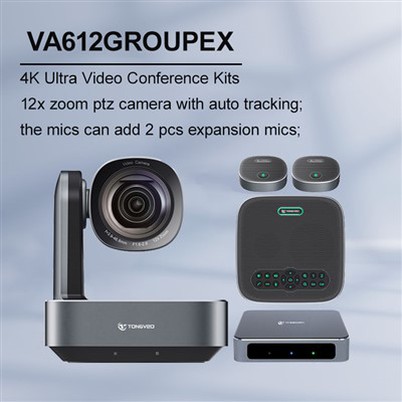
If you've tried all the troubleshooting steps and your webcam still isn't working, it might be time to consider upgrading to a new webcam. At [Our Company], we offer a wide range of high-quality webcams, including the Huddle Conference Camera. This camera is designed for huddle rooms and small meeting spaces, offering excellent video quality, wide-angle viewing, and easy installation.
Contact Us for Procurement
If you're experiencing problems with your webcam or are interested in purchasing a new one, we're here to help. Our team of experts can provide you with personalized advice and support to ensure that you get the right webcam for your needs. Whether you're a small business owner, a remote worker, or an educator, we have the perfect webcam solution for you.
Contact us today to discuss your procurement needs and let us help you find the best webcam for your situation. We look forward to working with you!
References
- Microsoft. (n.d.). Troubleshoot camera problems in Windows. Retrieved from [Microsoft Support Website]
- Apple. (n.d.). If your Mac camera isn't working. Retrieved from [Apple Support Website]
- Webcam Manufacturer Websites (e.g., Logitech, HP, Dell) for specific driver and troubleshooting information.