Which is better, USB or HDMI webcam?
Leave a message

When it comes to webcams, two of the most common connection types are USB and HDMI. As a webcam supplier, I often get asked which type is better. In this blog post, I'll explore the pros and cons of USB and HDMI webcams to help you make an informed decision.
USB Webcams
USB webcams are the most popular choice for personal and small - scale use. They are incredibly easy to set up and use, which is one of their biggest advantages.
Advantages
- Plug - and - Play: USB webcams are designed to be plug - and - play devices. All you need to do is connect the webcam to your computer's USB port, and it's usually ready to go. Most operating systems have built - in drivers that can recognize and configure the webcam automatically. This makes them ideal for users who are not tech - savvy or who need a quick setup for a home office or personal use.
- Portability: USB webcams are typically small and lightweight. They can be easily carried around in a laptop bag, making them a great option for people who need to use a webcam on different computers or in various locations. For example, a freelance worker who moves between coffee shops, co - working spaces, and home can easily take their USB webcam with them.
- Cost - Effective: Generally, USB webcams are more affordable than HDMI webcams. They offer a good balance between quality and price, making them accessible to a wide range of consumers. This is especially important for individuals or small businesses on a tight budget.
Disadvantages
- Limited Bandwidth: USB connections have a limited bandwidth compared to HDMI. This can result in lower video quality, especially when streaming high - definition video or using features like high frame rates. If you're planning to use the webcam for professional video conferencing or high - end content creation, the limited bandwidth of USB may become a bottleneck.
- Dependence on Computer: USB webcams rely on the processing power of the connected computer. If your computer is old or has limited resources, it may struggle to handle the video encoding and decoding, leading to laggy or low - quality video.
HDMI Webcams
HDMI webcams, on the other hand, are more commonly used in professional settings.

Advantages
- High - Quality Video: HDMI connections offer much higher bandwidth than USB. This allows HDMI webcams to deliver superior video quality, with support for high - definition resolutions (such as 1080p, 2K, or even 4K) and high frame rates. For professional video conferencing, live streaming, or video production, the high - quality video provided by HDMI webcams is essential.
- Independent Operation: Unlike USB webcams, HDMI webcams do not rely on the computer's processing power for video encoding. They have their own built - in encoding capabilities, which means they can produce high - quality video even when connected to a device with limited processing resources. This makes them suitable for use with a variety of devices, including smart TVs, video conferencing systems, and media players.
- Low Latency: HDMI connections typically have lower latency compared to USB. This is crucial for real - time applications such as video conferencing, where any delay in the video feed can disrupt the conversation and make it difficult to communicate effectively.
Disadvantages
- Complex Setup: HDMI webcams are generally more difficult to set up than USB webcams. They may require additional software or configuration steps, especially when connecting to a computer. This can be a challenge for users who are not familiar with technical settings.
- Higher Cost: HDMI webcams are usually more expensive than USB webcams. The advanced technology and features that enable high - quality video come at a price, which may be a deterrent for some consumers or small businesses.
Use Cases
- Personal Use: For personal use, such as chatting with friends and family on video calls or streaming games on platforms like Twitch, a USB webcam is usually sufficient. It offers an easy - to - use and cost - effective solution.
- Small Business and Home Office: In a small business or home office environment, the choice between USB and HDMI depends on the specific needs. If you're mainly using the webcam for basic video conferencing and the quality requirements are not extremely high, a USB webcam can be a good option. However, if you're conducting professional video meetings with clients or partners, an HDMI webcam may be more appropriate to ensure high - quality video.
- Professional Video Production and Conferencing: In professional settings, such as large - scale video conferencing, live events, or video production studios, HDMI webcams are the clear choice. Their high - quality video, low latency, and independent operation make them essential for delivering a professional - grade experience.
Our Product Recommendation: Huddle Conference Camera
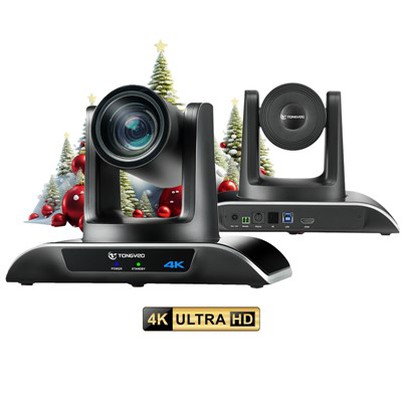
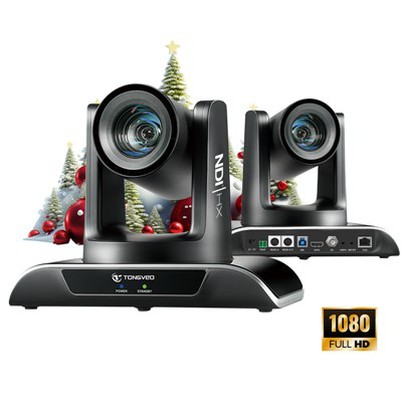
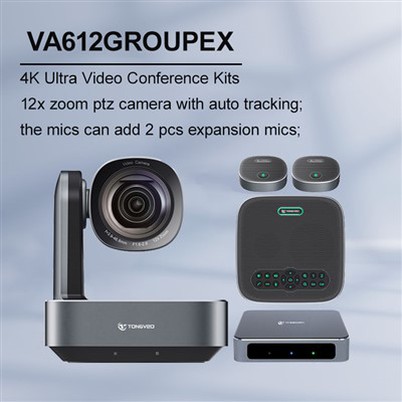
If you're in the market for a high - quality webcam, I'd like to recommend our Huddle Conference Camera. It's an HDMI - based webcam that offers exceptional video quality, low latency, and advanced features. Whether you're in a small meeting room or a large conference hall, this camera can provide a clear and immersive video experience. It's easy to integrate with existing video conferencing systems and is designed to meet the needs of professional users.
Conclusion
In conclusion, there is no one - size - fits - all answer to the question of whether USB or HDMI webcams are better. It depends on your specific needs, budget, and usage scenarios. USB webcams are great for personal and small - scale use due to their ease of use and affordability, while HDMI webcams are the preferred choice for professional applications that require high - quality video.
If you're still unsure which type of webcam is right for you, or if you're interested in learning more about our product range, we're here to help. Our team of experts can provide you with personalized advice and guidance based on your requirements. Contact us today to start a discussion about your webcam needs and explore the possibilities of upgrading your video communication experience.
References
- "Webcam Technology: A Comprehensive Guide", TechReview Magazine, 2022
- "Comparing USB and HDMI Connectivity for Webcams", Electronics Journal, 2023
- "The Future of Video Conferencing with Webcams", Industry Insights Report, 2024