Do conference cameras support USB 3.0 connectivity?
Leave a message

In the era of digital communication, conference cameras have become an essential tool for businesses and individuals alike. As the demand for high - quality video conferencing experiences grows, questions about the technical capabilities of these cameras, such as USB 3.0 connectivity, are becoming more prevalent. In this blog, as a conference camera supplier, I'll explore whether conference cameras support USB 3.0 connectivity, the benefits of such support, and how it impacts the overall video conferencing experience.
USB 3.0: An Overview
USB 3.0, also known as SuperSpeed USB, was introduced in 2008. It offers significant improvements over its predecessors, USB 1.0, USB 2.0, and even the enhanced USB 2.0 (Hi - Speed USB). The most notable advantage of USB 3.0 is its much higher data transfer rate. While USB 2.0 has a maximum theoretical data transfer rate of 480 Mbps, USB 3.0 can reach up to 5 Gbps. This is more than ten times faster, which means that data can be transferred between the camera and the connected device (such as a computer) much more quickly.
Another important feature of USB 3.0 is its improved power management. It can provide more power to connected devices, which is beneficial for conference cameras that may have additional features like motorized pan - tilt - zoom (PTZ) or advanced image processing capabilities. USB 3.0 also has better signal integrity, reducing the chances of data corruption during transmission.
Do Conference Cameras Support USB 3.0 Connectivity?
The answer is yes, many modern conference cameras do support USB 3.0 connectivity. As the technology has matured and become more widespread, camera manufacturers have recognized the benefits of incorporating USB 3.0 ports into their products.
For entry - level conference cameras, which are often designed for small - scale meetings or home offices, USB 2.0 connectivity may still be sufficient. These cameras typically have lower resolution and fewer advanced features, so the data transfer requirements are not as high. However, for mid - to high - end conference cameras, especially those used in large corporate meetings, international conferences, or high - definition video streaming scenarios, USB 3.0 is becoming the standard.
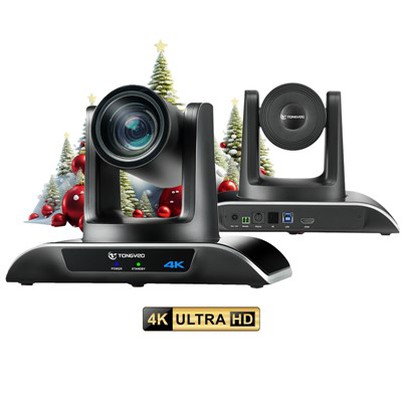
High - resolution cameras, such as those with 4K or even 8K capabilities, generate a large amount of data. To stream this data smoothly without lag or buffering, a high - speed data transfer interface like USB 3.0 is essential. For example, a 4K video at 30 frames per second can require a data transfer rate of over 1 Gbps. USB 3.0 can easily handle this rate, ensuring that the video quality remains high during the entire conference.
Benefits of USB 3.0 Connectivity in Conference Cameras
High - Speed Data Transfer
As mentioned earlier, the high data transfer rate of USB 3.0 allows for smooth streaming of high - resolution video. This is crucial for a clear and immersive video conferencing experience. Participants can see each other in sharp detail, and any visual aids or presentations shared during the meeting can be displayed without any delay.
Power Delivery
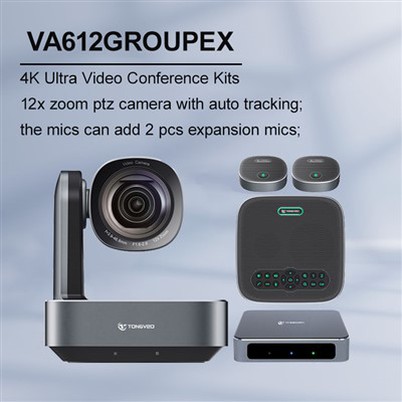
USB 3.0 can provide more power to the camera. This is especially useful for cameras with motorized PTZ functions. The additional power allows the camera to move smoothly and quickly, tracking participants as they move around the room. For example, an Auto Tracking Video Conference Camera can use the extra power to continuously adjust its position and keep the speakers in focus.
Compatibility
USB 3.0 is backward - compatible with USB 2.0. This means that even if the connected device only has a USB 2.0 port, the conference camera can still be used. However, in this case, the camera will operate at the USB 2.0 data transfer rate. This flexibility makes it easier for users to integrate the camera into their existing systems.
Impact on Video Conferencing Experience
The support for USB 3.0 connectivity in conference cameras has a profound impact on the overall video conferencing experience.


Quality of Video
With high - speed data transfer, the video quality is significantly improved. There are fewer artifacts, and the colors are more accurate. This is especially important for professional meetings where a high - quality image can enhance the credibility of the participants. For example, in a sales presentation, a clear and sharp video can make the products or services being presented more appealing.
Real - Time Interaction
Smooth video streaming also enables real - time interaction. Participants can react to each other's facial expressions and body language more effectively, which is crucial for building relationships and understanding the context of the conversation. This is similar to having an in - person meeting, where non - verbal communication plays an important role.
System Stability
The improved power management and signal integrity of USB 3.0 contribute to the overall stability of the video conferencing system. There are fewer interruptions due to power issues or data corruption, ensuring that the meeting can proceed without any technical glitches.
Considerations When Choosing a Conference Camera with USB 3.0 Connectivity
When selecting a conference camera with USB 3.0 connectivity, there are several factors to consider.
Resolution and Frame Rate
As mentioned earlier, high - resolution cameras require a high - speed data transfer interface. Make sure that the camera's resolution and frame rate match your specific needs. For example, if you are conducting a large - scale international conference, a 4K camera with a high frame rate may be necessary.
Additional Features
Some cameras may have additional features like built - in microphones, image stabilization, or digital zoom. These features can enhance the video conferencing experience but may also increase the data transfer requirements. Ensure that the USB 3.0 connectivity can support these features without any performance degradation.
Compatibility with Existing Systems
Check if the camera is compatible with your existing operating systems and software. Most modern cameras are compatible with popular operating systems like Windows, macOS, and Linux, as well as video conferencing software such as Zoom, Microsoft Teams, and Skype. For example, a teams video conferencing zoom camera should work seamlessly with both Microsoft Teams and Zoom platforms.
Conclusion
In conclusion, many modern conference cameras do support USB 3.0 connectivity, and this support brings numerous benefits to the video conferencing experience. The high - speed data transfer, improved power management, and compatibility make USB 3.0 an ideal choice for mid - to high - end conference cameras.
If you are in the market for a conference camera, especially one that can provide a high - quality video conferencing experience, consider choosing a camera with USB 3.0 connectivity. Our company offers a wide range of conference cameras, including video tv camera for conference zoom meeting, which are designed to meet the diverse needs of our customers. Whether you are a small business owner, a corporate executive, or an educational institution, we have the right camera for you.
If you are interested in learning more about our products or would like to discuss your specific requirements, please feel free to contact us. We are more than happy to assist you in finding the perfect conference camera for your needs.
References
- "USB 3.0 Specification", USB Implementers Forum
- "The Impact of High - Speed Data Transfer on Video Conferencing", Journal of Digital Communication
- "Power Management in USB 3.0 Devices", IEEE Transactions on Power Electronics