What is the video quality of an IP PTZ camera?
Leave a message

Hey there! As a supplier of IP PTZ cameras, I often get asked about the video quality of these amazing devices. So, I thought I'd sit down and write a blog post to break it all down for you.
Let's start with the basics. IP PTZ cameras, which stand for Internet Protocol Pan - Tilt - Zoom cameras, are a staple in modern video surveillance and conferencing. They offer the ability to pan (move horizontally), tilt (move vertically), and zoom in and out, giving you a wide range of coverage and flexibility. But what about the video quality? That's what we're really here to talk about.
Resolution
One of the most important factors in determining video quality is resolution. Simply put, resolution refers to the number of pixels that make up an image. The higher the resolution, the clearer and more detailed the video will be.
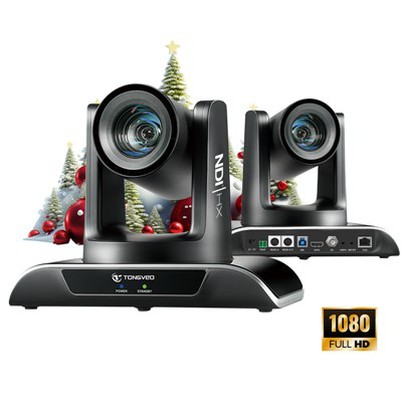
Most of our PTZ IP Conference Room Camera models come with high - resolution capabilities. We're talking about resolutions like 1080p (1920x1080 pixels), which has been the standard for high - definition video for quite some time. It offers sharp images and vibrant colors, making it great for general surveillance and conferencing needs.
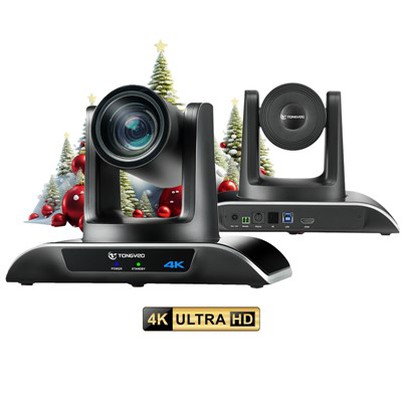
But if you're looking for even better quality, we also have cameras that support 4K resolution (3840x2160 pixels). 4K is becoming more and more popular these days, and for good reason. It provides four times the number of pixels as 1080p, resulting in incredibly detailed and lifelike video. Whether you're monitoring a large area or having a high - stakes video conference, 4K resolution can make a huge difference.

Frame Rate
Another crucial aspect of video quality is the frame rate. Frame rate is measured in frames per second (fps), and it determines how smoothly the video plays. A higher frame rate means smoother motion, which is especially important when capturing fast - moving objects.
Our cameras typically offer frame rates of 30fps or 60fps. A frame rate of 30fps is sufficient for most applications, as it provides a relatively smooth video experience. However, if you're dealing with fast - paced action, like sports events or security footage where quick movements need to be captured clearly, a 60fps frame rate is the way to go. It will make the video look much more fluid and natural.
Image Sensor
The image sensor is the heart of the camera, and it plays a vital role in determining video quality. There are two main types of image sensors used in IP PTZ cameras: CCD (Charge - Coupled Device) and CMOS (Complementary Metal - Oxide - Semiconductor).
CCD sensors have been around for a long time and are known for their excellent image quality, especially in low - light conditions. They produce sharp, noise - free images with accurate color reproduction. However, they tend to be more expensive and consume more power.
On the other hand, CMOS sensors have become increasingly popular in recent years. They are more affordable, consume less power, and offer faster readout speeds. While they may not be as good as CCD sensors in extremely low - light situations, modern CMOS sensors have come a long way and can produce high - quality images in most lighting conditions.
All of our cameras are equipped with high - quality image sensors, whether it's a CCD or CMOS sensor, depending on the model and the specific requirements of the application.
Low - Light Performance
Low - light performance is a key consideration, especially for surveillance cameras. After all, bad guys don't only come out during the day! A camera with good low - light performance can capture clear images even in dimly lit environments.
We've designed our cameras to perform well in low - light conditions. Some of our models feature advanced low - light technologies, such as infrared (IR) illumination. IR LEDs on the camera can emit infrared light, which is invisible to the human eye but can be detected by the camera's sensor. This allows the camera to capture black - and - white images in complete darkness.

In addition to IR illumination, our cameras also have features like high - sensitivity image sensors and noise reduction algorithms. These technologies work together to minimize noise and enhance the visibility of objects in low - light situations.
Color Accuracy
Color accuracy is important, especially in applications like video conferencing, where you want the colors to look as natural as possible. Our cameras are calibrated to provide accurate color reproduction, so that the colors in the video match what you see in real life.
We use advanced color correction algorithms to ensure that the colors are consistent across different lighting conditions. Whether it's bright sunlight or indoor fluorescent lighting, our cameras will capture colors accurately, making your video look more professional and engaging.
Zoom and Optical Quality
The zoom function is one of the key features of IP PTZ cameras. It allows you to get a closer look at objects that are far away. There are two types of zoom: optical zoom and digital zoom.
Optical zoom is the real deal. It uses the camera's lens to physically magnify the image, which means that the quality of the image remains high even when you zoom in. Our Wide Angle Conference Camera and Wide Angle IP HDMI SDI USB PTZ Conference Room Camera models come with powerful optical zoom capabilities, allowing you to get a clear view of distant objects without sacrificing image quality.
Digital zoom, on the other hand, is a software - based zoom that simply enlarges the pixels in the image. While it can make objects appear closer, it often results in a loss of image quality, as the pixels become more visible and the image becomes blurry. We always recommend using optical zoom whenever possible to ensure the best video quality.
Compression
Video compression is used to reduce the size of the video files without sacrificing too much quality. This is important because it allows you to store more video footage on your storage devices and transmit the video over the network more efficiently.
Our cameras use advanced compression algorithms, such as H.264 and H.265. H.264 is a widely used compression standard that offers a good balance between video quality and file size. H.265, also known as High Efficiency Video Coding (HEVC), is the next - generation compression standard. It can provide the same video quality as H.264 but with significantly smaller file sizes, which is great for saving storage space and bandwidth.
Conclusion
So, there you have it! That's a breakdown of the factors that determine the video quality of an IP PTZ camera. As a supplier, we're committed to providing you with cameras that offer the best possible video quality. Whether you need a camera for surveillance, video conferencing, or any other application, we have a wide range of models to choose from.
If you're interested in learning more about our IP PTZ cameras or are looking to make a purchase, don't hesitate to get in touch with us. We'd be more than happy to discuss your specific needs and help you find the perfect camera for your situation. Let's have a chat and see how we can work together to meet your video - related requirements!
References
- "Digital Video Technology Handbook" by Charles Poynton
- "Video Surveillance Basics" by Lenny Pagano
- Various industry whitepapers on IP camera technology