What is the minimum illumination required for a conference camera to function properly?
Leave a message

What is the minimum illumination required for a conference camera to function properly?
In the modern business landscape, video conferencing has become an indispensable tool for communication, collaboration, and decision - making. As a conference camera supplier, I understand the importance of ensuring that these cameras function optimally under various lighting conditions. One of the most frequently asked questions by our clients is about the minimum illumination required for a conference camera to operate effectively.
Understanding Illumination and Its Impact on Conference Cameras
Illumination refers to the amount of light that falls on a surface. It is typically measured in lux, which is the SI unit of illuminance. The level of illumination in a conference room can significantly affect the performance of a conference camera. Poor lighting can result in grainy images, low contrast, and color inaccuracies, making it difficult for participants to see and interact effectively.
When a conference camera is operating in low - light conditions, it has to work harder to capture enough light to create a clear image. This can lead to an increase in digital noise, which appears as random dots or specks on the video feed. Additionally, the camera may struggle to accurately reproduce colors, resulting in a washed - out or distorted appearance.


Factors Affecting the Minimum Illumination Requirement
The minimum illumination required for a conference camera to function properly depends on several factors:
- Sensor Quality: The quality of the camera's image sensor plays a crucial role in its low - light performance. High - quality sensors are more sensitive to light and can capture clearer images in dimly lit environments. Cameras with larger sensors generally have better low - light capabilities because they can collect more light.
- Lens Aperture: The aperture of the camera lens determines how much light can enter the camera. A larger aperture (represented by a lower f - number) allows more light to reach the sensor, which is beneficial in low - light situations. For example, a lens with an aperture of f/1.8 will let in more light than a lens with an aperture of f/2.8.
- Image Processing Technology: Advanced image processing algorithms can enhance the camera's performance in low - light conditions. These algorithms can reduce noise, improve contrast, and adjust colors to create a more visually appealing image. Some cameras also feature night vision or low - light enhancement modes that can further improve performance in challenging lighting situations.
Recommended Minimum Illumination Levels
Based on our experience as a conference camera supplier, we recommend the following minimum illumination levels for different types of conference cameras:
- Fixed - Focus Cameras: For fixed - focus conference cameras, such as the 1080p HD Camera for Video Conference, a minimum illumination of 200 - 300 lux is generally sufficient. These cameras are often used in smaller conference rooms or home offices where the lighting can be more easily controlled.
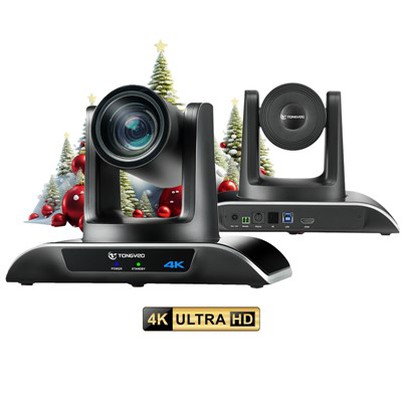
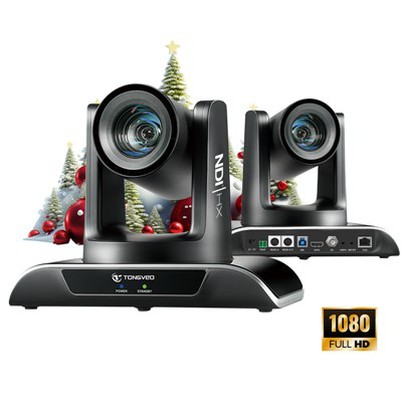
- PTZ (Pan - Tilt - Zoom) Cameras: PTZ cameras, like the USB HD PTZ Video Conference Camera, require a slightly higher level of illumination, typically around 300 - 500 lux. These cameras are more versatile and can cover larger areas, but they also need more light to maintain clear and sharp images, especially when zoomed in.
- High - End Cameras for Large Conference Rooms: In large conference rooms or auditoriums, high - end conference cameras may be required. These cameras often have more advanced features and better low - light performance, but they still need a minimum illumination of 500 - 1000 lux to function optimally.
Tips for Improving Lighting in Conference Rooms
If your conference room does not meet the recommended minimum illumination levels, there are several steps you can take to improve the lighting:
- Use Multiple Light Sources: Instead of relying on a single overhead light, use multiple light sources to create a more even distribution of light. This can include wall sconces, table lamps, and floor lamps.
- Choose the Right Color Temperature: The color temperature of the light can also affect the appearance of the video feed. For video conferencing, it is recommended to use lights with a color temperature of around 5000 - 6500K, which mimics natural daylight and provides a more neutral and flattering lighting effect.
- Avoid Glare: Glare from windows or bright lights can cause reflections on the camera lens, resulting in poor image quality. Use blinds or curtains to control sunlight, and position lights in a way that minimizes glare on the participants' faces.
Conclusion
As a conference camera supplier, we understand that proper lighting is essential for the success of video conferencing. By understanding the minimum illumination requirements for different types of conference cameras and taking steps to improve lighting in your conference room, you can ensure that your video conferences are clear, professional, and engaging.
If you are in the market for a conference camera, we offer a wide range of products to suit your needs, including the MAC PC video conference meeting camera. Our team of experts is available to help you choose the right camera and provide advice on lighting and installation. Contact us today to discuss your requirements and start a procurement negotiation.
References
- "Video Conferencing Lighting Guide," AV Technology, accessed [date].
- "Understanding Illumination and Its Impact on Video Surveillance," SecurityInfoWatch.com, accessed [date].
- "Best Practices for Lighting in Conference Rooms," ConferenceRoomSolutions.com, accessed [date].