What is the image stability of FHD IP Conference Camera?
Leave a message

Hey there! As a supplier of FHD IP Conference Cameras, I often get asked about the image stability of these nifty devices. So, let's dive right in and explore what image stability in FHD IP Conference Cameras really means.
First off, what's an FHD IP Conference Camera? Well, it's a high - tech piece of gear that's designed for video conferencing. FHD stands for Full High - Definition, which means it can capture and transmit crystal - clear video at a resolution of 1920x1080 pixels. The "IP" part refers to Internet Protocol, allowing the camera to connect to a network and stream video over the internet.
Now, let's talk about image stability. In simple terms, image stability is all about keeping the video footage steady and clear. When you're in a conference call, the last thing you want is a shaky, blurry image that makes it hard for participants to see what's going on.
There are a few key factors that contribute to the image stability of an FHD IP Conference Camera.
Optical Image Stabilization (OIS)
One of the most important technologies for image stability is Optical Image Stabilization. OIS works by using special lenses and sensors inside the camera. When the camera shakes or moves, the OIS system detects the movement and adjusts the position of the lenses to counteract it. This ensures that the image remains steady, even if the camera is being held in a less - than - perfect way or is subject to vibrations.
For example, if you're using a camera on a table and someone accidentally bumps it, the OIS system will kick in and keep the image from getting all wobbly. It's like having a little helper inside the camera that's constantly making sure the picture looks good.
Electronic Image Stabilization (EIS)
Another technology that helps with image stability is Electronic Image Stabilization. EIS uses software algorithms to analyze the video footage and correct any shakiness. It does this by cropping the edges of the image and using the extra pixels to create a more stable view.
While EIS is not as effective as OIS in some cases, it can still be a great addition to a camera, especially for those on a budget. It's also useful in situations where OIS might not be enough on its own. For instance, if you're using the camera in a very bumpy environment, EIS can help to further smooth out the image.


Pan - Tilt - Zoom (PTZ) Functionality
Many FHD IP Conference Cameras come with PTZ functionality. This means the camera can pan (move left and right), tilt (move up and down), and zoom in and out. When it comes to image stability, PTZ can play a crucial role.
A well - designed PTZ system will move smoothly, without any jerks or sudden movements. This ensures that when you're adjusting the camera's view during a conference, the image remains stable. For example, if you need to zoom in on a presentation slide, the camera will do it in a way that doesn't cause the image to shake or blur.
Build Quality and Mounting
The build quality of the camera and how it's mounted also have a big impact on image stability. A camera that's made with high - quality materials and has a sturdy construction is less likely to vibrate or move around.
Proper mounting is also essential. If the camera is not mounted securely, it can easily shake or move, leading to a poor - quality image. Make sure to use the right mounting hardware and follow the manufacturer's instructions when setting up the camera.
Why Image Stability Matters in a Conference Setting
In a conference setting, image stability is crucial for several reasons.
Clear Communication
A stable image makes it easier for participants to communicate effectively. When everyone can see each other clearly, it's much easier to understand facial expressions, body language, and other non - verbal cues. This can lead to better collaboration and more productive meetings.
Professionalism
A shaky, blurry image can make your company look unprofessional. On the other hand, a stable, high - quality image gives the impression that you're organized and take your meetings seriously. It can also help to build trust with your clients and partners.
Engagement
When the image is stable and clear, participants are more likely to stay engaged in the conference. They're not distracted by a wobbly picture and can focus on the content of the meeting. This can lead to better participation and more meaningful discussions.
Our FHD IP Conference Cameras and Image Stability
At our company, we take image stability very seriously. Our cameras are equipped with the latest OIS and EIS technologies to ensure the best - possible image quality.
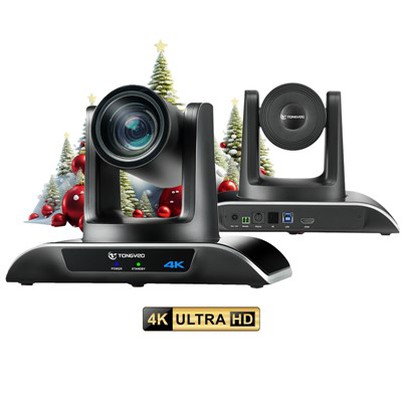
For example, our FHD IP HDMI USB3.0 PTZ Video Conferencing Camera with 20x Optical Zoom for Church is designed with a high - end OIS system. This allows for smooth, stable video even when the camera is being panned, tilted, or zoomed. The 20x optical zoom also provides a clear and detailed view, whether you're focusing on a person or a presentation.
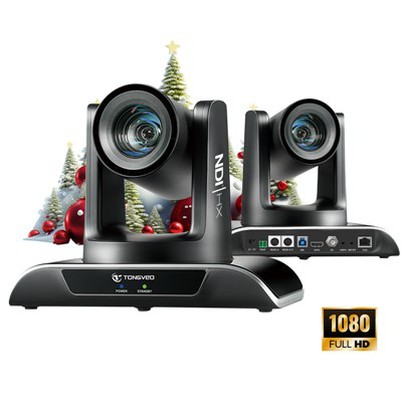
Our PTZ IP Conference Room Camera is another great option. It has a robust build quality and a well - calibrated PTZ system. The camera moves smoothly and quietly, ensuring that the image remains stable during the entire conference.
And if you need a camera with a wide - angle view, our Wide Angle IP HDMI SDI USB PTZ Conference Room Camera is the way to go. It combines OIS and EIS technologies to provide a stable, panoramic view of the conference room.
Conclusion
Image stability is a crucial aspect of FHD IP Conference Cameras. It's what ensures that your conference calls are clear, professional, and engaging. Whether it's through OIS, EIS, PTZ functionality, or good build quality, there are many factors that contribute to a stable image.
If you're in the market for an FHD IP Conference Camera and want to ensure the best image stability, we're here to help. We offer a range of high - quality cameras that are designed to meet your needs. Whether you're a small business, a large corporation, or an educational institution, we have the perfect camera for you.
If you're interested in learning more about our products or want to discuss your specific requirements, don't hesitate to reach out. We're always happy to have a chat and help you find the right camera for your conference needs.
References
- Camera Technology Handbook: A Guide to Modern Imaging Systems
- Video Conferencing Best Practices: Ensuring High - Quality Communication