What is the harmonic distortion of daisy chain microphones?
Leave a message

Hey there! I'm a supplier of Daisy Chain Microphones, and today I wanna chat about what harmonic distortion in daisy chain microphones is all about.
First off, let's understand what daisy chain microphones are. A daisy chain setup allows you to connect multiple microphones together in a series, kind of like linking up a bunch of beads on a string. This is super useful in large - scale audio setups, like in big conference rooms or concert halls. You can expand your audio capture area without having to run a whole bunch of individual cables back to the audio mixer or recorder.
Now, onto harmonic distortion. In simple terms, harmonic distortion is when the output signal of a microphone is a bit of a wonky version of the input signal. When sound waves hit the microphone diaphragm, it's supposed to convert those sound waves into an electrical signal that's an accurate representation of the original sound. But sometimes, things don't go as planned.
Harmonic distortion occurs when additional frequencies, called harmonics, are added to the original signal. These harmonics are whole - number multiples of the fundamental frequency of the sound. For example, if the original sound has a frequency of 100 Hz, the second harmonic would be 200 Hz, the third harmonic would be 300 Hz, and so on.
So, why does harmonic distortion happen in daisy chain microphones? Well, there are a few reasons. One major factor is the quality of the components inside the microphones. Cheaper microphones often have less - precise electronics, which can cause the diaphragm to vibrate in ways that add unwanted harmonics.
Another culprit is the electrical load in a daisy chain setup. When you connect multiple microphones together, the electrical characteristics of the whole chain change. Each microphone has an input and output impedance, and when you link them, the overall impedance can become distorted. This can lead to signal reflections and interference, which in turn cause harmonic distortion.
Moreover, the longer the daisy chain, the more likely you are to experience distortion. As the electrical signal travels through each microphone in the chain, it can pick up noise and interference. Over a long chain, these small issues can build up and significantly affect the quality of the output signal.
The type of connection between the microphones also matters. If the connectors are loose or of poor quality, they can introduce resistance and capacitance into the circuit, which can cause harmonic distortion.
Now, let's talk about how harmonic distortion can impact your audio. In a conference setting, for instance, it can make voices sound harsh or muffled. Words might be harder to understand, which is a huge problem when you're trying to have a productive meeting. In a music recording, it can make instruments sound out of tune or add an unwanted "color" to the sound. If you're recording a guitar, for example, harmonic distortion can make the notes sound buzzy or unsharp.
As a Daisy Chain Microphone supplier, we're constantly working to minimize harmonic distortion in our products. We use high - quality components in our microphones to ensure that the diaphragm can accurately convert sound waves into electrical signals. We also pay close attention to the impedance matching in our daisy chain setups. By carefully designing the electrical circuits, we can reduce signal reflections and interference.
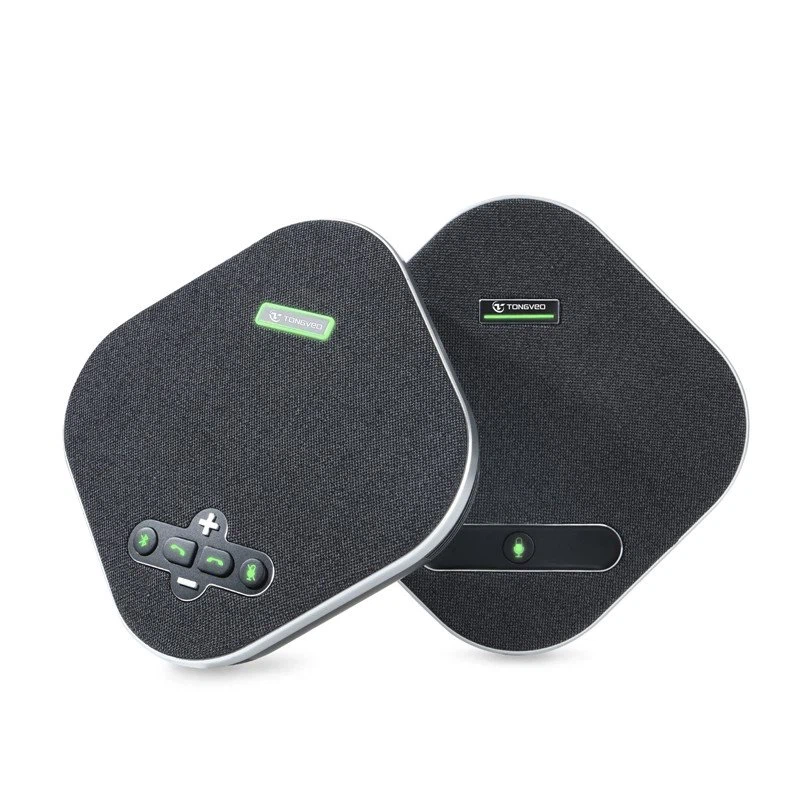
We also offer different types of daisy chain microphones to suit various needs. For example, our USB Omnidirectional Conference Microphone is great for conference rooms. It has a wide pickup pattern, which means it can capture sound from all directions, and it's designed to have low harmonic distortion.
If you're in the market for daisy chain microphones, it's important to consider the level of harmonic distortion. You can look at the product specifications to find out the total harmonic distortion (THD) rating. This rating tells you the percentage of the output signal that is made up of harmonics. Generally, a lower THD rating means less distortion and better - quality audio.
But don't just rely on the numbers. It's also a good idea to listen to audio samples recorded with the microphones. This way, you can hear for yourself how the microphones handle harmonic distortion in real - world situations.
In conclusion, harmonic distortion is an important factor to consider when using daisy chain microphones. It can have a big impact on the quality of your audio, whether you're using the microphones for conferences, music recording, or other applications. As a supplier, we're committed to providing high - quality daisy chain microphones with low harmonic distortion.
If you're interested in learning more about our products or have any questions regarding harmonic distortion in daisy chain microphones, don't hesitate to reach out for a procurement discussion. We're here to help you find the best solution for your audio needs.
References
- "Audio Engineering Handbook", By Glen Ballou
- "Microphone Technology: A Practical Guide", By Peter Mapp
- Various industry - specific whitepapers on daisy chain microphone setups and audio quality.