What is the frequency response of daisy chain microphones?
Leave a message

In the world of audio technology, daisy chain microphones have emerged as a powerful solution for various applications, from large - scale conference rooms to live events. As a supplier of daisy chain microphones, I often get asked about the frequency response of these devices. Understanding the frequency response is crucial as it directly impacts the quality and clarity of the audio captured.
What is Frequency Response?
Before delving into the frequency response of daisy chain microphones, let's first understand what frequency response means. Frequency response is a measure of how a microphone responds to different frequencies of sound. It is typically represented as a graph, with the frequency on the horizontal axis (ranging from very low frequencies, like 20 Hz, to very high frequencies, around 20,000 Hz) and the microphone's output level (in decibels) on the vertical axis.
A flat frequency response is often considered ideal. It means that the microphone reproduces all frequencies equally, resulting in a natural and accurate sound. However, in reality, most microphones have a non - flat frequency response, which can be tailored to suit specific applications.
Frequency Response of Daisy Chain Microphones
Daisy chain microphones are designed to be connected in a series, allowing multiple microphones to be used simultaneously without the need for complex wiring. The frequency response of these microphones can vary depending on several factors.
Design and Components
The design of the microphone capsule, which is the part that converts sound waves into electrical signals, plays a significant role in determining the frequency response. Different types of microphone capsules, such as condenser, dynamic, and ribbon capsules, have distinct frequency response characteristics.
Condenser microphones, for example, are known for their wide and flat frequency response. They can accurately capture a broad range of frequencies, making them suitable for applications where high - fidelity audio is required. Many of our daisy chain microphones use condenser capsules, which provide excellent frequency response from 20 Hz to 20 kHz, ensuring that every detail of the sound is captured.
The electronics inside the microphone also affect the frequency response. High - quality pre - amplifiers and analog - to - digital converters can help maintain a consistent frequency response across the entire audio spectrum. At our company, we use state - of - the - art electronics in our daisy chain microphones to minimize any distortion or loss of frequency information.
Application - Specific Tuning
In addition to the inherent characteristics of the microphone components, the frequency response of daisy chain microphones can be tuned for specific applications. For conference rooms, where clear speech intelligibility is crucial, the frequency response may be optimized to emphasize the frequencies in the human voice range, typically between 300 Hz and 3400 Hz.
On the other hand, for music recording or live sound reinforcement, a more extended frequency response may be desired to capture the full range of musical instruments and vocals. Our daisy chain microphones can be customized to meet these different application requirements, providing our customers with the flexibility to choose the best frequency response for their specific needs.
Impact of Frequency Response on Audio Quality
The frequency response of a microphone has a direct impact on the audio quality. A microphone with a poor frequency response may result in a muffled or tinny sound. For example, if a microphone has a low - frequency roll - off, it may not capture the deep bass tones accurately, making the audio sound thin.
Conversely, if the high - frequency response is too boosted, the audio may sound harsh or sibilant. In a conference setting, this can make it difficult for participants to understand the speakers clearly. Therefore, having a well - balanced frequency response is essential for achieving high - quality audio.
How to Evaluate the Frequency Response of Daisy Chain Microphones
When evaluating the frequency response of daisy chain microphones, there are several methods you can use.
Manufacturer Specifications
The first step is to look at the manufacturer's specifications. Reputable manufacturers, like us, provide detailed frequency response graphs and specifications for their microphones. These graphs can give you a good idea of how the microphone performs across the audio spectrum.
Listening Tests
In addition to looking at the specifications, listening tests are also crucial. You can play a variety of audio sources, such as music, speech, and sound effects, through the microphone and listen to the output. Pay attention to the clarity, balance, and presence of different frequencies. A good microphone should reproduce the audio accurately, without any noticeable coloration or distortion.
Comparison with Other Microphones
Comparing the daisy chain microphone with other high - quality microphones can also help you evaluate its frequency response. You can set up a side - by - side comparison and listen to the differences in audio quality. This can give you a better understanding of how the microphone stacks up against the competition.
Our Daisy Chain Microphones and Frequency Response
As a supplier of daisy chain microphones, we take great pride in the frequency response of our products. Our USB Omnidirectional Conference Microphone is a prime example of our commitment to high - quality audio.
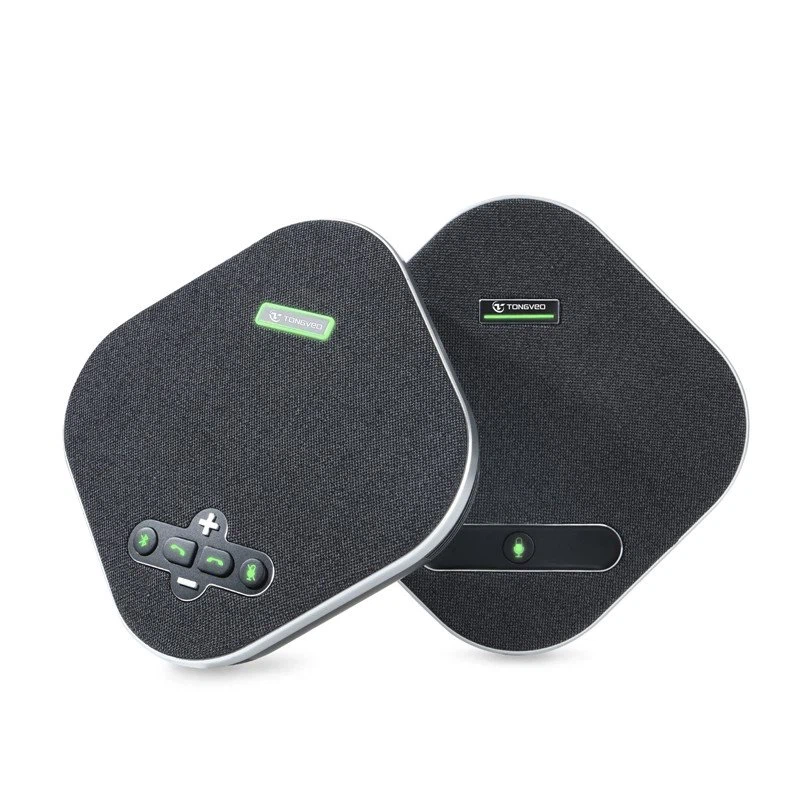
This microphone is designed with a condenser capsule that provides a wide and flat frequency response from 20 Hz to 20 kHz. It is also optimized for conference applications, with a special emphasis on the human voice range to ensure clear and intelligible speech.
Our engineers have spent countless hours fine - tuning the frequency response of our daisy chain microphones to meet the highest standards of audio quality. Whether you are recording music, hosting a conference, or conducting a live event, our microphones can provide the accurate and natural sound you need.
Contact Us for Procurement
If you are in the market for daisy chain microphones with excellent frequency response, we invite you to contact us. Our team of experts can help you choose the right microphone for your specific application and provide you with all the information you need. We offer competitive pricing, high - quality products, and exceptional customer service. Don't hesitate to reach out to us to start the procurement process and experience the difference our daisy chain microphones can make in your audio setup.
References
- "Microphone Technology Handbook" by David Miles Huber
- "Audio Engineering: Principles and Practice" by Glen Ballou