How does the audio output of video conference kits compare to traditional speakers?
Leave a message

As a provider of Video Conference Kits, I've witnessed firsthand the rapid evolution of audio technology in the realm of virtual communication. In this blog post, I'll delve into a detailed comparison between the audio output of video conference kits and traditional speakers, exploring their respective strengths, weaknesses, and real - world applications.
Sound Quality and Clarity
One of the primary factors to consider when comparing audio output is sound quality. Traditional speakers are well - known for their ability to produce rich, full - range sound. They often come with large drivers and advanced audio processing technologies that can fill a room with high - fidelity sound. For instance, high - end home theater speakers can reproduce deep bass, clear mid - tones, and crisp trebles, creating an immersive audio experience.
On the other hand, video conference kits are designed with a different set of priorities. Their main goal is to ensure clear and intelligible communication. These kits are equipped with microphones and speakers that are optimized for voice transmission. They use advanced noise - cancellation algorithms to filter out background noise, such as air conditioning hums, traffic noise, or the chatter of nearby people. This means that even in a noisy environment, participants in a video conference can hear each other clearly.
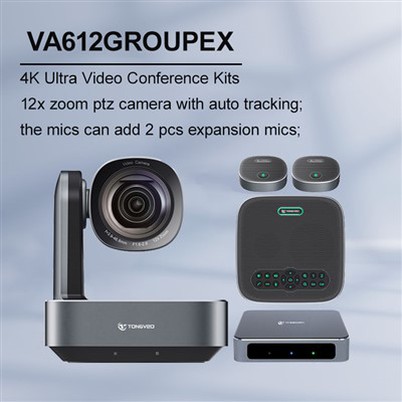
The Wireless Video Conference System we offer is a prime example. It uses state - of - the - art audio technology to provide crystal - clear voice communication. The speakers are engineered to focus on the frequency range of human speech, ensuring that every word is heard accurately. In contrast, traditional speakers may not have the same level of noise - cancellation capabilities, which can be a significant drawback in a busy office or a noisy public space.
Coverage and Distribution
Traditional speakers are typically designed to cover a large area. In a home theater setup, for example, multiple speakers are strategically placed around the room to create a surround - sound effect. This allows for an even distribution of sound throughout the space, providing a consistent audio experience for all listeners.
Video conference kits, however, are more focused on local coverage. They are usually placed in the center of a conference table or in a specific area where participants are seated. The speakers in these kits are designed to project sound directly towards the participants, ensuring that everyone in the immediate vicinity can hear the audio clearly.
Our Conference Room Microphone Solutions are designed to work in tandem with the speakers to optimize audio coverage. The microphones pick up voices from all around the table, and the speakers then project the audio back to the participants. This local - focused approach is ideal for video conferences, as it ensures that all participants can communicate effectively without the need for excessive volume.
Connectivity and Compatibility
Traditional speakers often require complex wiring and setup. In a home theater system, for example, each speaker needs to be connected to an amplifier or a receiver, which can be a time - consuming and challenging process. Additionally, traditional speakers may not be compatible with all devices, and users may need to purchase additional adapters or converters.
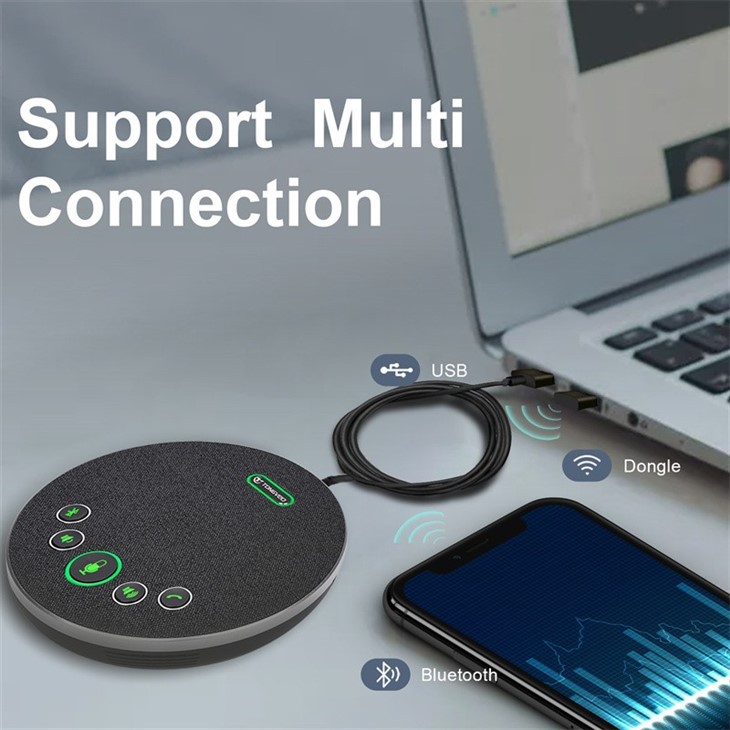
Video conference kits, on the other hand, are designed for easy connectivity. Most kits can be connected to a computer, laptop, or tablet via USB or Bluetooth. This plug - and - play functionality makes it easy for users to set up a video conference quickly. They can also be easily integrated with popular video conferencing platforms such as Zoom, Microsoft Teams, and Google Meet.
Our Zoom Rooms Video Conference Room Solutions are fully compatible with Zoom Rooms, providing a seamless integration for users. This means that users can start a video conference with just a few clicks, without having to worry about complex setup procedures.
Flexibility and Mobility
Traditional speakers are often large and heavy, making them difficult to move around. In a home theater setup, for example, the speakers are usually fixed in place, and it can be challenging to rearrange them for different purposes.
Video conference kits, on the other hand, are designed for flexibility and mobility. Many kits are lightweight and portable, allowing users to easily move them from one location to another. This is particularly useful for businesses that have multiple meeting rooms or for individuals who need to conduct video conferences on the go.
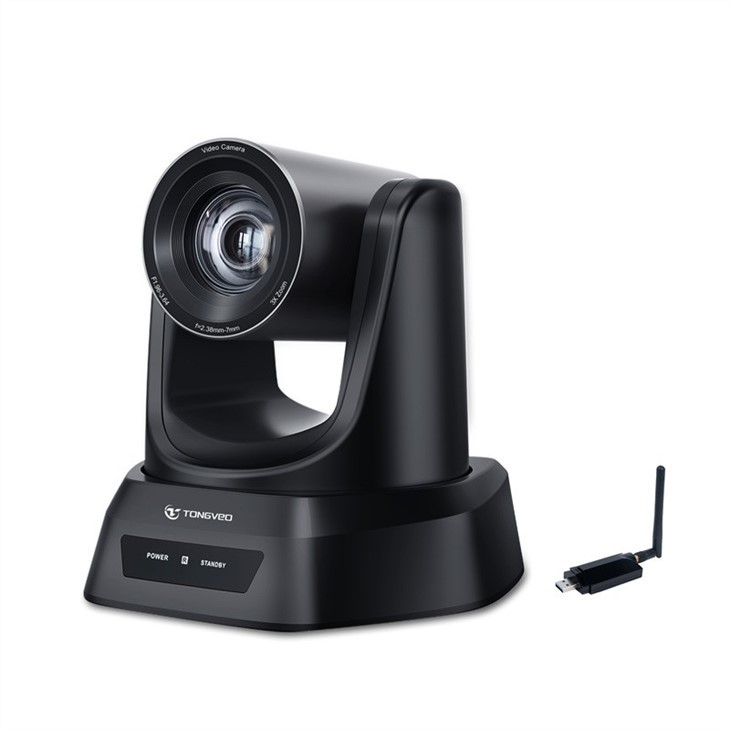
Our wireless video conference kits can be easily carried from one room to another and set up in a matter of minutes. This flexibility makes them a great choice for modern workplaces, where the need for impromptu meetings and flexible workspaces is increasing.
Cost - effectiveness
When it comes to cost, traditional speakers can vary widely in price. High - end home theater speakers can cost thousands of dollars, while budget - friendly options may offer limited features and sound quality.
Video conference kits, on the other hand, are generally more cost - effective. They offer a comprehensive solution that includes both speakers and microphones, as well as advanced audio processing technologies. For businesses, investing in a video conference kit can be a more affordable option than purchasing separate speakers and microphones and setting up a complex audio system.
Real - world Applications
In a home entertainment setting, traditional speakers are the obvious choice. They can provide an immersive audio experience for watching movies, listening to music, or playing video games.
However, in a business environment, video conference kits are the preferred option. They are designed to meet the specific needs of video conferencing, such as clear voice communication, easy setup, and compatibility with popular platforms. Whether it's a small team meeting or a large corporate conference, video conference kits can ensure that all participants can communicate effectively.
Conclusion
In conclusion, while traditional speakers have their strengths in terms of sound quality, coverage, and home entertainment applications, video conference kits offer significant advantages in the context of virtual communication. Their focus on clear voice transmission, easy connectivity, flexibility, and cost - effectiveness make them the ideal choice for modern businesses and individuals who rely on video conferencing for communication.
If you're interested in upgrading your video conferencing audio experience, or if you have any questions about our Video Conference Kits, please don't hesitate to reach out. We're here to help you find the best solution for your needs and ensure that your video conferences are a success.
References
- "Audio Technology for Video Conferencing" - Journal of Communication Technology
- "Comparative Study of Traditional and Modern Audio Systems" - International Journal of Audio Engineering
- Manufacturer's specifications for various traditional speakers and video conference kits.