What is the frame rate of a conference camera?
Leave a message

Hey there! As a supplier of conference cameras, I often get asked about the frame rate of these nifty devices. So, let's dive right in and talk about what frame rate is all about in the context of conference cameras.
First off, what exactly is frame rate? Well, in simple terms, frame rate refers to the number of individual frames or images that a camera captures and displays per second. It's usually measured in frames per second (fps). A higher frame rate means more frames are being captured and shown each second, resulting in smoother and more fluid motion in the video.
For conference cameras, frame rate plays a crucial role in the quality of the video conferencing experience. When you're in a meeting, you want the video to be clear, sharp, and most importantly, free of any choppiness. That's where a good frame rate comes in.
Let's say you're using a camera with a low frame rate, like 15 fps. In this case, the video might look a bit jerky, especially when there's a lot of movement. People's gestures and facial expressions might not come across as smoothly as they should, which can make it a bit difficult to follow the conversation. On the other hand, a camera with a higher frame rate, such as 30 fps or even 60 fps, will provide a much more seamless viewing experience. The video will look more natural, and it'll be easier to focus on what's being said.
Now, you might be wondering which frame rate is the best for conference cameras. Well, it really depends on a few factors.
Factors Affecting the Ideal Frame Rate
1. Internet Bandwidth
One of the most important factors is your internet bandwidth. Higher frame rates require more data to be transmitted. If your internet connection is slow or unstable, using a high frame rate might result in buffering or pixelated video. In this case, it's better to go for a lower frame rate to ensure a stable connection. For example, if you have a limited bandwidth of around 1 - 2 Mbps, a frame rate of 15 - 20 fps might be more suitable. However, if you have a high - speed broadband connection with speeds of 5 Mbps or more, you can comfortably use a frame rate of 30 fps or higher.
2. Type of Meeting
The nature of the meeting also matters. If it's a formal presentation where people are mostly sitting still and talking, a frame rate of 30 fps should be more than enough. The video will look clear, and there won't be any issues with motion. But if it's a more dynamic meeting, like a brainstorming session where people are moving around, gesturing a lot, or presenting physical objects, a higher frame rate of 60 fps would be ideal. It'll capture all the details and movements accurately.


3. Lighting Conditions
Lighting can also impact the frame rate. In low - light conditions, cameras might struggle to capture frames quickly, and the frame rate might drop. Some high - end conference cameras have features like low - light enhancement, which can help maintain a decent frame rate even in dimly lit rooms. But in general, better lighting will allow the camera to perform at its optimal frame rate.
Our Conference Cameras and Their Frame Rates
At our company, we offer a range of conference cameras with different frame rates to suit various needs.
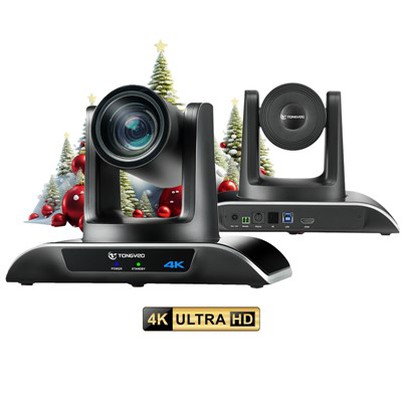
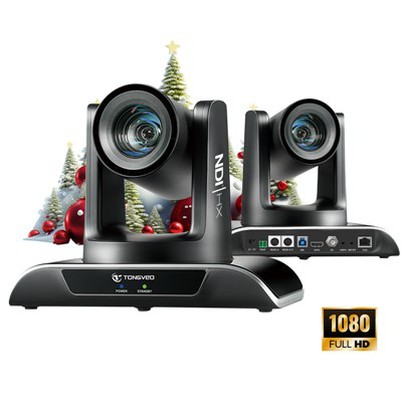
For instance, our 4K AI Livestreaming PTZ Camera is a great option for those who need high - quality video. It can support frame rates of up to 60 fps at 1080p resolution. This means that whether you're in a fast - paced meeting or doing a live stream, the video will be smooth and clear.
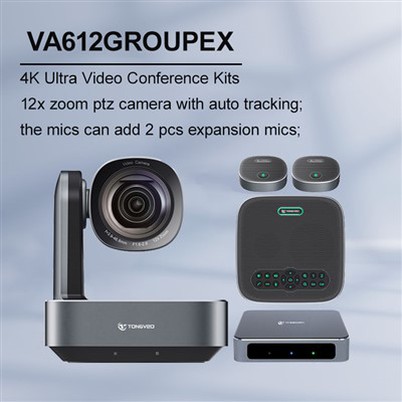
Another popular choice is our zoom meeting conference back camera for microsoft teams. This camera is designed specifically for video conferencing platforms like Microsoft Teams and Zoom. It offers a frame rate of 30 fps, which is perfect for most standard meetings. The camera has excellent autofocus and image stabilization features, ensuring that the video remains sharp and steady throughout the meeting.
If you're looking for a more budget - friendly option, our Usb 2.0 1920x1080 Fhd Video Conference Camera is a great choice. It provides a frame rate of 30 fps at 1080p resolution, delivering clear and reliable video for your meetings. It's easy to set up and compatible with most devices, making it a convenient option for small businesses and home offices.
Why Frame Rate Matters in the Big Picture
In a world where remote work and virtual meetings have become the norm, the quality of your video conferencing setup can make or break your communication. A good frame rate ensures that you can effectively convey your message, whether it's a business proposal, a training session, or a casual catch - up with colleagues.
When the video is smooth and clear, it enhances the overall engagement in the meeting. People are more likely to stay focused and actively participate. It also helps in building better relationships, as you can see each other's expressions and body language more accurately.
Conclusion
So, there you have it! Frame rate is a crucial aspect of conference cameras that can significantly impact your video conferencing experience. Whether you're a small business owner, a remote worker, or part of a large corporation, choosing the right frame rate for your needs is essential.
If you're interested in learning more about our conference cameras or have any questions about frame rates, don't hesitate to reach out. We're here to help you find the perfect camera for your setup. Contact us to start a conversation about your requirements and let's work together to make your video meetings as seamless as possible.
References
- "Video Technology Handbook" by John Watkinson
- "Digital Video and HD: Algorithms and Interfaces" by Charles Poynton