Is it difficult to set up a Pelco Ptz Controller?
Leave a message

Hey there! As a supplier of Pelco Ptz Controllers, I often get asked whether it's difficult to set up these nifty devices. Well, let's dive right in and break it down.
First off, what's a Pelco Ptz Controller? It's a key piece of equipment if you're into surveillance. PTZ stands for Pan, Tilt, and Zoom, and these controllers let you remotely control the movement and focus of PTZ cameras. Whether you're monitoring a large parking lot, a warehouse, or a public area, a Pelco Ptz Controller gives you the power to adjust the camera's view as needed.
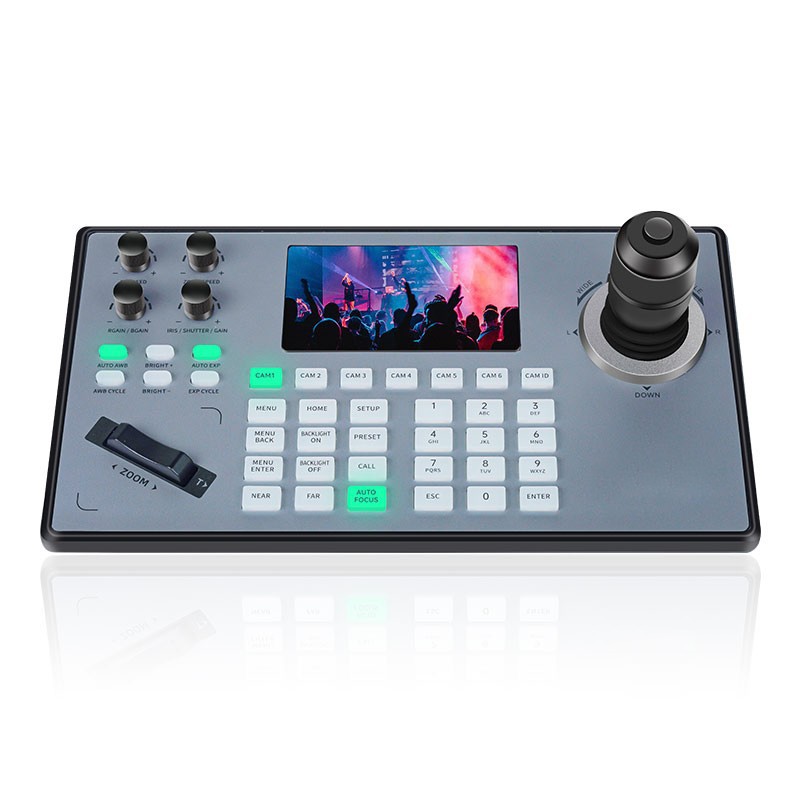

Now, to the big question: Is it difficult to set up? The answer isn't a simple yes or no. It depends on a few factors.
Familiarity with the Technology
If you're already tech - savvy and have some experience with surveillance systems, setting up a Pelco Ptz Controller might be a breeze. You're likely to understand concepts like IP addresses, network configurations, and camera protocols. For instance, if you've previously installed other types of camera controllers or worked with network - connected devices, you'll find that the basic steps for setting up a Pelco Ptz Controller are somewhat similar.
On the other hand, if you're new to the world of surveillance, it might seem a bit daunting at first. Terms like "serial communication," "RS - 485," and "ONVIF protocol" can sound like a foreign language. But don't worry! With a bit of patience and some guidance, you'll be up and running in no time.
Hardware Installation
The hardware part of setting up a Pelco Ptz Controller is usually straightforward. You'll need to connect the controller to your network. This typically involves plugging an Ethernet cable from the controller into your network switch or router. It's similar to connecting a computer or a smart TV to your home network.
Next, you'll have to connect the controller to the PTZ cameras. This can be done either through a direct connection or via a network. If you're using a direct connection, you'll need to use the appropriate cables, like an RS - 485 cable. It's important to make sure that the connections are secure and that you've followed the wiring diagram provided in the user manual.
Software Configuration
This is where things can get a bit more technical. You'll need to configure the software settings of the Pelco Ptz Controller to communicate with your cameras. First, you'll have to assign IP addresses to the controller and the cameras. This is like giving each device a unique address on your network so they can find and talk to each other.
You'll also need to set up the camera protocols. Different cameras support different protocols, such as Pelco - D or Pelco - P. You'll have to select the correct protocol in the controller's settings for each camera. This step is crucial because if the protocol is incorrect, the controller won't be able to control the camera.
Another important aspect of software configuration is setting up the camera presets. Presets allow you to save specific camera positions, so you can quickly return to them later. For example, you can set a preset for the entrance of a building or a specific area in a parking lot. Configuring presets is usually done through the controller's software interface, and it's a great way to enhance the functionality of your surveillance system.
Troubleshooting
Even if you follow all the steps correctly, you might encounter some issues during the setup process. Common problems include connectivity issues, where the controller can't communicate with the cameras, or incorrect camera movement.
If you're having connectivity issues, the first thing to check is the network connections. Make sure that all the cables are properly plugged in and that there are no loose connections. You can also try restarting the controller and the cameras, as sometimes a simple reboot can fix the problem.
If the camera movement isn't working correctly, it could be due to an incorrect protocol setting. Double - check the protocol settings in the controller's software and make sure they match the camera's requirements.
Resources for Setup
Pelco provides comprehensive user manuals and online resources to help you with the setup process. The user manual is a great place to start, as it contains detailed instructions and diagrams for hardware installation and software configuration. You can also find video tutorials on Pelco's official website, which can be very helpful, especially if you're a visual learner.
There are also online forums and communities where you can ask questions and get advice from other users. These forums are a great way to troubleshoot problems and learn from the experiences of others.
Is it Worth the Effort?
Despite the potential challenges, setting up a Pelco Ptz Controller is definitely worth the effort. Once you have it up and running, you'll have a powerful tool at your disposal for monitoring and controlling your surveillance cameras. You'll be able to adjust the camera's view in real - time, set up presets for quick access to important areas, and enhance the overall security of your property.
If you're still not sure about setting up a Pelco Ptz Controller on your own, you can always hire a professional installer. Many companies offer installation services, and they can ensure that your system is set up correctly and efficiently.
In conclusion, while setting up a Pelco Ptz Controller can be a bit challenging, especially for those new to surveillance technology, it's definitely doable with the right resources and a bit of patience. Whether you're a tech expert or a newbie, you can make the most of this great device.
If you're interested in purchasing a Pelco Ptz Controller, or if you have any questions about the setup process, feel free to reach out. We're here to help you every step of the way. We also offer other related products like IP Ptz Camera Controller and Ip Ptz Camera Keyboard Controller. Don't hesitate to contact us for more information and to start the procurement discussion.
References
- Pelco Official User Manuals
- Online Surveillance Technology Forums