How to set up privacy zones on an IP PTZ camera?
Leave a message

Hey there! As a supplier of IP PTZ cameras, I know how important it is to have control over what your camera captures. One great feature that can help with this is setting up privacy zones on your IP PTZ camera. In this blog post, I'll walk you through how to do just that.
Why Set Up Privacy Zones?
Before we dive into the how-to, let's talk about why you might want to set up privacy zones. There are plenty of reasons. Maybe you've got an area in your surveillance zone that has sensitive information, like a filing cabinet with confidential documents. Or perhaps there's a spot where employees take breaks and you want to respect their privacy. By setting up privacy zones, you can make sure your camera doesn't record in those areas, giving you peace of mind and protecting the privacy of others.
Step 1: Access Your Camera's Settings
First things first, you need to access your camera's settings. Usually, you can do this through a web browser or a dedicated software that comes with your camera. You'll need to know the IP address of your camera. If you're not sure what that is, you can often find it in the camera's user manual or by checking your router's connected devices list.
Once you've got the IP address, open your web browser and type it into the address bar. You'll likely be prompted to enter a username and password. This is for security reasons, so make sure you use strong, unique credentials. If you're using the dedicated software, just follow the on-screen instructions to log in.
Step 2: Locate the Privacy Zone Feature
After you're logged in to your camera's settings, look for the privacy zone feature. This might be under a section called "Advanced Settings," "Privacy," or something similar. The exact location can vary depending on the make and model of your camera.
Some cameras have a graphical interface where you can see a live feed of what the camera is capturing. This makes it super easy to identify the areas you want to set as privacy zones. Other cameras might require you to enter specific coordinates for the zones.
Step 3: Define Your Privacy Zones
Once you've found the privacy zone feature, it's time to define your zones. If you're using the graphical interface, you can usually draw rectangles or other shapes directly on the live feed to mark the areas you want to block. Just click and drag your mouse to create the shape, and then adjust it as needed.
If you have to enter coordinates, you'll need to know the boundaries of the area in terms of pixels. This can be a bit more technical, but most cameras will give you a way to measure the dimensions on the live feed. You might need to play around with the numbers a bit to get the zone just right.
You can set up multiple privacy zones if you have more than one area you want to protect. Just repeat the process for each zone.
Step 4: Customize Your Privacy Zone Settings
Now that you've defined your privacy zones, you can customize some of the settings. For example, you can choose what the camera does when it encounters a privacy zone. Some cameras will simply black out the area in the recorded footage, while others might skip over the zone entirely.
You can also set the zones to be active all the time or only during certain hours. This is useful if you have different privacy needs depending on the time of day. For instance, you might want the privacy zones to be active during business hours but disabled at night when the area is empty.
Step 5: Save Your Settings
Once you're happy with your privacy zone settings, don't forget to save them. There's usually a "Save" or "Apply" button in the camera's settings. Click it, and your camera will start using the new privacy zone settings right away.
Tips and Tricks
- Test Your Zones: After you've saved your settings, it's a good idea to test them. Check the recorded footage to make sure the privacy zones are working as expected. You might need to make some adjustments if you notice any issues.
- Keep Your Software Up-to-Date: Camera manufacturers often release software updates that can improve the performance of your camera, including the privacy zone feature. Make sure you regularly check for and install these updates.
Our IP PTZ Cameras
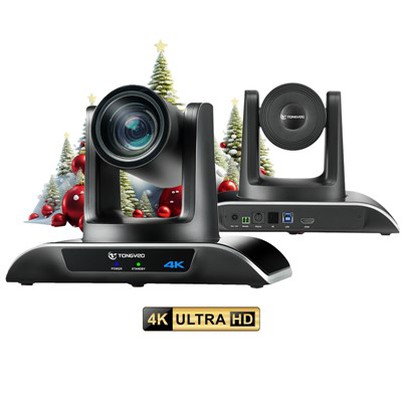
At our company, we offer a range of high-quality IP PTZ cameras that are great for setting up privacy zones. Check out our High-Definition 30x Zoom HDMI SDI IP Conference Camera for Large Conference Rooms. It's perfect for large spaces and has all the features you need to manage your privacy zones effectively.


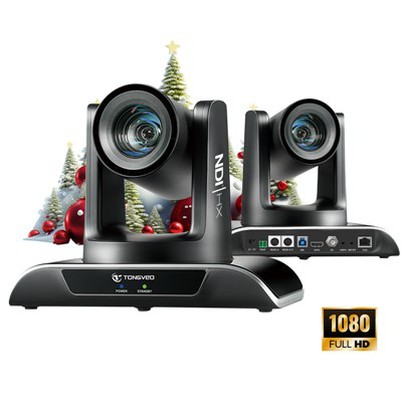
We also have the PTZ IP Conference Room Camera, which is a versatile option for conference rooms of all sizes. And if you're looking for a camera for a church, our FHD IP HDMI USB3.0 PTZ Video Conferencing Camera with 20x Optical Zoom for Church is a great choice.
Contact Us for Purchasing
If you're interested in our IP PTZ cameras or have any questions about setting up privacy zones, we'd love to hear from you. Whether you're a business owner, a church administrator, or just someone looking for a reliable camera, we can help you find the right solution for your needs.
References
- Camera user manuals
- Online resources from camera manufacturers
So there you have it! Setting up privacy zones on an IP PTZ camera isn't too difficult once you know the steps. It's a great way to protect privacy and ensure your camera is capturing only what you want it to. If you have any other questions or need more advice, feel free to reach out.