How to set up privacy settings on an HDMI conference camera?
Leave a message

In today's digital age, video conferencing has become an integral part of business operations, education, and social interactions. HDMI conference cameras play a crucial role in facilitating high - quality video communication. However, with the increasing concerns about privacy and data security, setting up proper privacy settings on these cameras is of utmost importance. As an HDMI Conference Camera supplier, I'd like to share some comprehensive guidance on how to set up privacy settings on an HDMI conference camera.
Understanding the Need for Privacy Settings
Before delving into the setup process, it's essential to understand why privacy settings are necessary. In a video conferencing environment, sensitive information may be discussed, and participants' images and voices are transmitted over the network. Without proper privacy protection, there is a risk of unauthorized access, data leakage, and potential misuse of the video and audio content. Privacy settings help to safeguard the confidentiality of the meeting and protect the rights and interests of all participants.
Initial Steps for Privacy Setup
Camera Physical Protection
The first step in setting up privacy is to ensure physical protection of the camera. Many HDMI conference cameras come with a physical lens cover. When the camera is not in use, simply slide or close the lens cover. This provides a straightforward and reliable way to prevent any accidental or unauthorized recording. For example, during breaks in a long - term conference setup, you can quickly cover the lens to ensure no one can access the camera feed.
Firmware Update
Keep the camera's firmware up - to - date. Manufacturers regularly release firmware updates that often include security patches and improvements to privacy features. To update the firmware, you typically need to visit the manufacturer's official website, download the latest firmware file, and follow the provided instructions to install it on the camera. A newer firmware version can address known security vulnerabilities and enhance the overall privacy protection of the camera.
Network - Related Privacy Settings
Wi - Fi and Ethernet Security
If your HDMI conference camera connects to the network via Wi - Fi or Ethernet, make sure the network is secure. For Wi - Fi, use a strong, unique password and enable WPA3 encryption. Avoid using public or unsecured Wi - Fi networks for video conferencing, as they pose a significant risk to privacy. When using Ethernet, ensure that the network switch or router has proper access controls and security settings enabled.
IP Address and Port Configuration
Understand and configure the IP address and port settings of the camera. You can set up a static IP address for the camera to have more control over its network access. Additionally, some cameras allow you to configure port forwarding and port blocking. Block unnecessary ports to reduce the attack surface and prevent unauthorized access to the camera's system.
Software - Based Privacy Features
User Account Management
Most HDMI conference cameras support user account management. Create individual user accounts with unique usernames and strong passwords. Assign different levels of access rights to each account based on the user's role. For example, an administrator account can have full control over the camera's settings, while regular user accounts may only have access to basic functions such as starting and stopping the video feed.
Encryption of Video and Audio
Enable encryption for video and audio transmission. Many modern HDMI conference cameras support encryption protocols such as AES (Advanced Encryption Standard). Encryption scrambles the video and audio data during transmission, making it unreadable to anyone who tries to intercept it without the proper decryption key. Check the camera's settings menu to find the encryption option and select the appropriate encryption level.
Motion Detection and Recording Privacy
Some cameras have motion detection and recording features. You can adjust the motion detection sensitivity and set up rules for recording. For example, you can configure the camera to only record when there is significant motion within a specific area of the frame. Also, make sure to set a password for accessing the recorded files to prevent unauthorized viewing.
Third - Party Software and Platform Integration
Video Conferencing Platform Compatibility
When using the HDMI conference camera with third - party video conferencing platforms, ensure that the platform has its own privacy settings. Most popular platforms like Zoom, Microsoft Teams, and Google Meet offer features such as meeting passwords, waiting rooms, and participant mute controls. Familiarize yourself with these platform - specific settings and configure them according to your privacy requirements.
Integration with Security Software
Consider integrating the camera with security software such as firewalls and intrusion detection systems. These software solutions can monitor network traffic related to the camera and detect any suspicious activity. For example, a firewall can block incoming connections from unauthorized IP addresses, while an intrusion detection system can alert you if there is an attempt to access the camera's system in an unauthorized way.
Additional Privacy Considerations
Data Storage and Retention
If the camera stores video and audio data locally or in the cloud, define clear data storage and retention policies. Determine how long the data will be stored and under what circumstances it will be deleted. This helps to ensure that personal information is not retained for longer than necessary.
Multi - Factor Authentication
Some cameras support multi - factor authentication. Enable this feature if available. Multi - factor authentication adds an extra layer of security by requiring users to provide multiple forms of identification, such as a password and a one - time code sent to their mobile device.
Conclusion
Setting up privacy settings on an HDMI conference camera is a multi - step process that involves physical protection, network security, software configuration, and integration with other systems. By following these steps, you can significantly enhance the privacy and security of your video conferencing sessions.
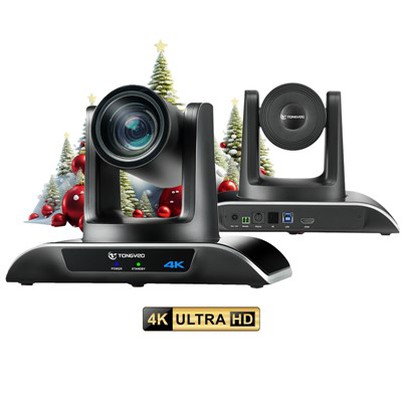
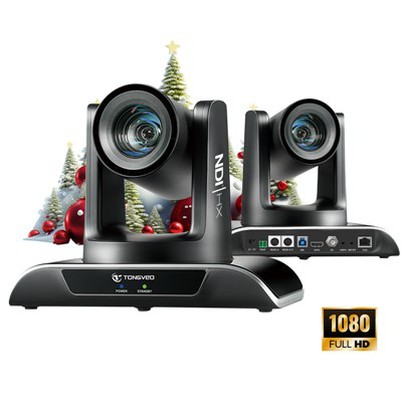
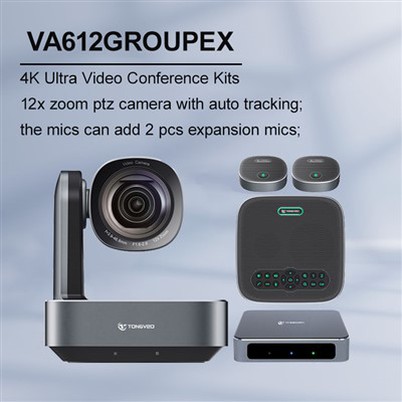
As an HDMI Conference Camera supplier, we offer a wide range of high - quality cameras, including the IP Video Conference Camera, HDMI SDI HD PTZ 20x Optical Zoom Camera for Video Conference, and Conference Call Camera System. Our cameras are designed with advanced privacy features and can be customized to meet your specific privacy requirements.
If you are interested in purchasing our HDMI conference cameras or need more information about privacy settings and camera configuration, please feel free to contact us for procurement and further discussions.


References
- Camera user manuals provided by the manufacturer.
- Network security best practices guidelines from industry organizations.
- Online resources on video conferencing security and privacy.