How to set up multiple conference cameras in one room?
Leave a message

Hey there! I'm a supplier of conference cameras, and I've been getting a lot of questions lately about setting up multiple conference cameras in one room. It's a common need, especially in large meeting spaces or for events where you want to capture different angles. So, I thought I'd share some tips and tricks on how to do it right.
First things first, let's talk about why you might want to set up multiple cameras. There are a few reasons. Maybe you have a big room, and one camera just can't cover the whole area. Or, you want to provide different perspectives during a presentation or a live stream. Multiple cameras can also help with redundancy in case one camera fails.
Planning Your Setup
The key to a successful multi - camera setup starts with planning. You need to think about the layout of the room, the purpose of the cameras, and the equipment you have.
Room Layout
Take a good look at the room. Note down any obstacles like pillars, furniture, or partitions. You want to place the cameras in positions where they have a clear view of the areas you want to cover. For example, if it's a conference room with a stage at one end and seating at the other, you might want one camera focused on the stage and another on the audience.
Purpose of the Cameras
Are you using the cameras for a video conference, a live stream, or just to record the event? If it's for a video conference, you'll want to make sure that the cameras can capture all the participants clearly. For a live stream, you might want to focus on getting interesting angles and shots.
Equipment
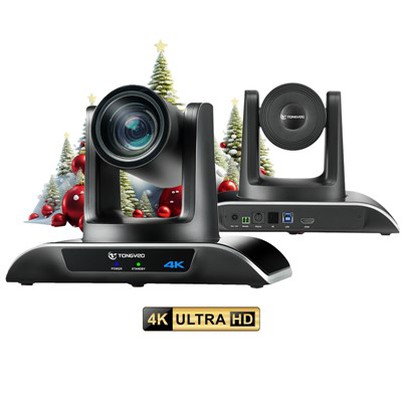
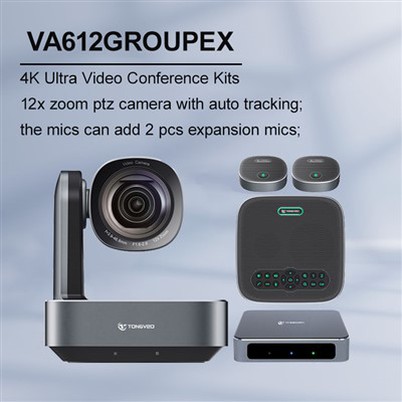
Make sure you have all the necessary equipment. This includes the cameras themselves, of course. I'd recommend checking out our Conference Room Call Video Camera. It's a great option for conference settings. You'll also need cables to connect the cameras to your recording or streaming device, power supplies, and mounts to hold the cameras in place.
Camera Placement
Once you've planned your setup, it's time to start placing the cameras.
High - Angle vs. Low - Angle Shots
High - angle shots can give you an overview of the whole room. You can place a camera on a tripod or a ceiling mount for this. Low - angle shots, on the other hand, can add drama and make the subjects look more imposing. You can place a camera on the floor or a low table for low - angle shots.
Covering Different Areas
If you have a large room, divide it into sections and assign a camera to each section. For example, if it's a rectangular room, you could have one camera at each end and one in the middle. This way, you can capture all the action no matter where it's happening.
Overlapping Views
It's a good idea to have some overlap between the views of different cameras. This gives you more flexibility when editing the footage. For example, if one camera loses focus or has a technical issue, you can switch to another camera that is also covering that area.
Connecting the Cameras
Now that the cameras are in place, you need to connect them to your recording or streaming device.
Wired vs. Wireless Connections
Wired connections are generally more stable. You can use HDMI or Ethernet cables to connect the cameras to your device. However, if you need more flexibility, wireless connections are an option. Just make sure that the wireless signal is strong and there is no interference.
Using a Switcher
If you have more than two cameras, you'll probably need a switcher. A switcher allows you to select which camera's feed you want to use at any given time. It's a must - have for live events where you want to switch between different angles quickly.
Testing the Setup
Before the actual event or conference, it's crucial to test the setup.
Image Quality
Check the image quality of each camera. Make sure that the focus is sharp, the colors are accurate, and there are no glitches or artifacts. You might need to adjust the camera settings like exposure, white balance, and zoom.
Audio
If the cameras have built - in microphones, test the audio. Make sure that the sound is clear and there is no background noise. You can also use external microphones for better audio quality.
Switching between Cameras
If you're using a switcher, test switching between different cameras. Make sure that the transition is smooth and there are no delays.
Troubleshooting
Even with careful planning and testing, things can go wrong. Here are some common issues and how to fix them.
Poor Image Quality
If the image is blurry, check the focus settings of the camera. If the colors are off, adjust the white balance. If there are glitches or artifacts, check the cable connections or try changing the camera's resolution.
Audio Problems
If the audio is too quiet, check the microphone settings or try using an external microphone. If there is background noise, try moving the microphone to a different location or using a noise - canceling microphone.
Connectivity Issues
If a camera is not connecting to the device, check the cables and make sure they are properly plugged in. If it's a wireless connection, check the signal strength and try resetting the camera and the device.
Maintenance
Once you've set up and tested your multi - camera system, you need to maintain it.
Regular Cleaning
Keep the cameras clean. Dust and dirt can affect the image quality. You can use a soft, dry cloth to clean the lens and the body of the camera.
Firmware Updates
Check for firmware updates regularly. Manufacturers often release updates to improve the camera's performance and add new features.
Storage
Make sure you have enough storage space for the recorded footage. You can use external hard drives or cloud storage.


Why Choose Our Conference Cameras
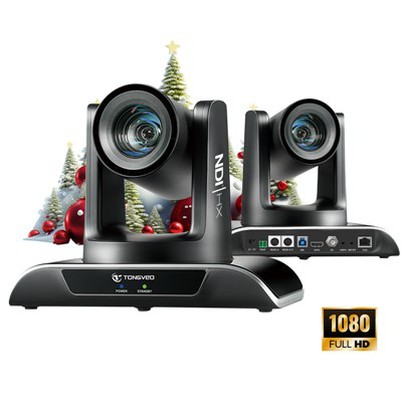
As a conference camera supplier, we offer a wide range of high - quality cameras. Our Ptz Camera For Church Live Streaming is perfect for live events with its pan, tilt, and zoom capabilities. And our Fhd 1920x1080 Video Camera provides crystal - clear images.
If you're interested in setting up a multi - camera system for your conference room or event, we're here to help. We can provide you with the right cameras, equipment, and advice to ensure a successful setup. Whether you're a small business or a large organization, we have solutions that fit your needs. Contact us to start a conversation about your specific requirements and let's work together to create the perfect multi - camera setup for you.
References
- "Video Production Handbook" by Michael Wohl
- "Live Streaming for Dummies" by Joli Ballew